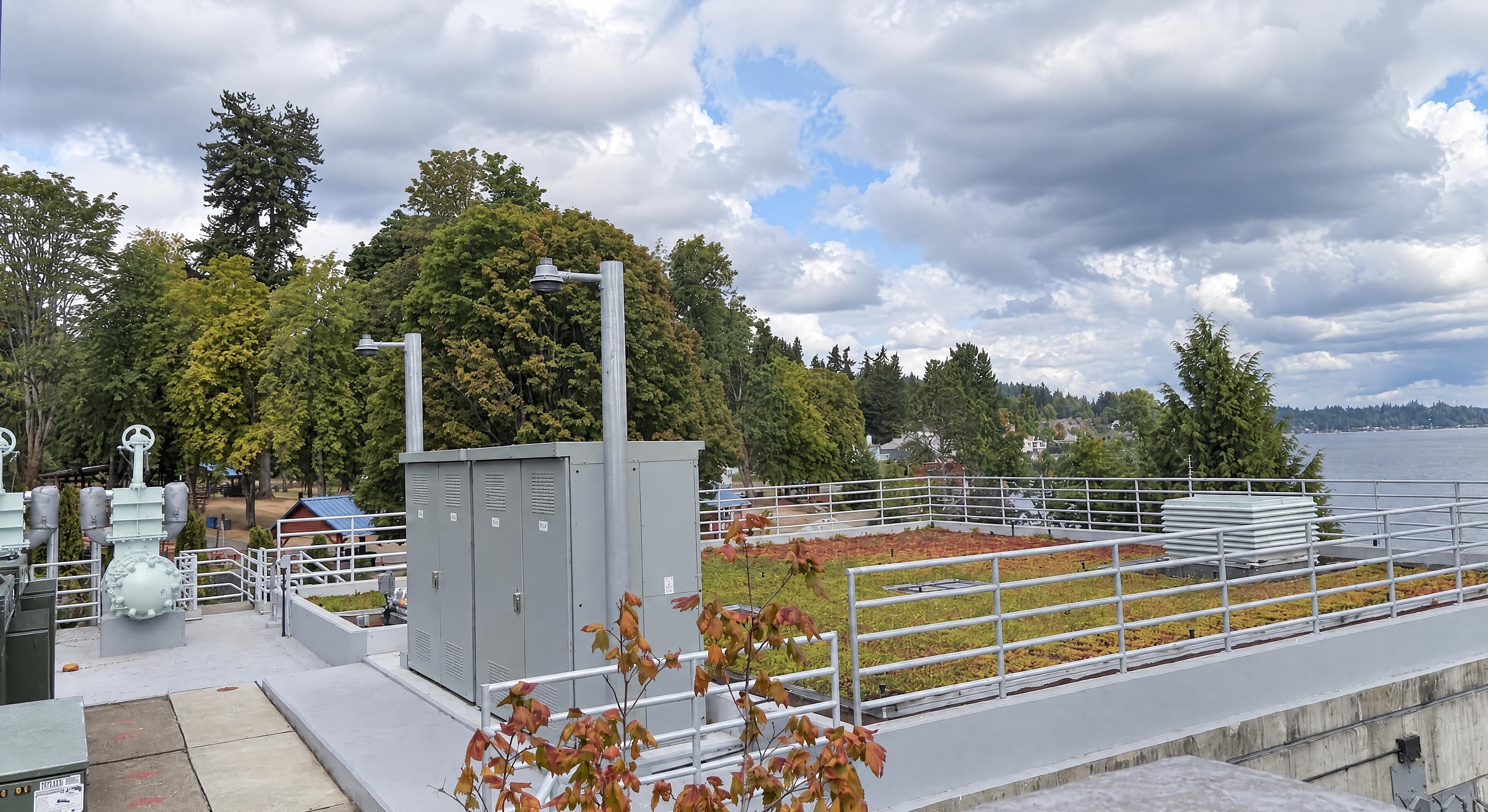
ECO₂ Project Portfolio: 20 years of Superoxygenation Installations
Each installed Speece Cone® system in ECO₂'s portfolio gets a short story and a table of its consultant, oxygen capacity, oxygen supply and year installed.
Details
Summary
ECO₂'s Installed Systems in One Catalog
ECO₂'s project portfolio is a catalog of installed Speece Cone systems in the United States, Canada and China. It sorts them into three uses: preventing sewer odor and corrosion, treatment plant processes, and lakes and rivers. Each project gets a short story and a table naming the consultant, oxygen capacity, oxygen supply and year installed (pp. 2, 4, 5).
Key Figures
90%
Oxygen transfer efficiency the portfolio states for the Speece Cone at all feed rates (over) Source: PDF page 3 (opens in a new tab)
93%
Decline in nutrient levels and blue-green algae at Camanche Reservoir in the first five years (over; 99% thereafter) Source: PDF page 34 (opens in a new tab)
3,300lbs/day
Lift Station 85, St. Petersburg, Florida, for a 30 inch, 7 mile force main Source: PDF page 5 (opens in a new tab)
Questions
What is in ECO₂'s project portfolio?
Installed Speece Cone systems in three groups: odor and corrosion prevention, treatment plant processes, and lakes and rivers. Each project lists its consultant, oxygen capacity, oxygen supply and year installed (pp. 2, 5).
How does a Speece Cone system work?
A pump draws a side stream of water through the cone. Oxygen gas is fed to the top, and the cone's shape dissolves it completely before the water returns to the process (p. 3).
Can dissolved oxygen replace chemicals for sewer odor control?
At The Villages, Florida, chemical feed was too costly and H₂S dropped to zero with oxygen. Scottsdale, Arizona, chose oxygen at its pump stations over iron-based chemicals (pp. 6, 11).
How can dissolved oxygen help a treatment plant meet a BOD limit?
By offsetting it. Fort Valley, Georgia, could remove another 10 mg/L of BOD with tertiary treatment or add 10 mg/L of D.O. to its effluent, and chose oxygen for lower cost, a smaller footprint and more flexibility (p. 26).
Can a Speece Cone be installed at the bottom of a reservoir?
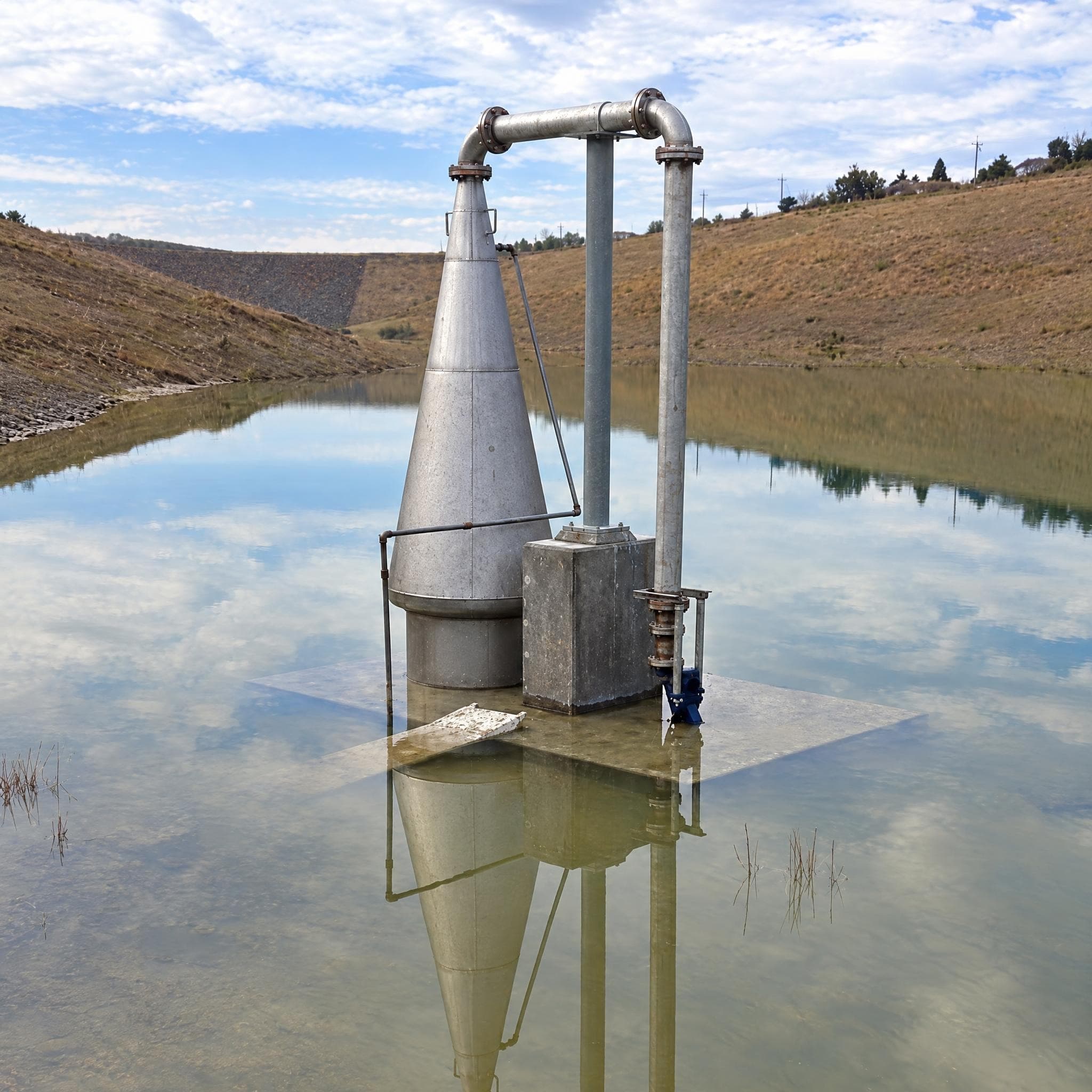
Yes. At Chambers Reservoir in Colorado the system was installed on the bottom near the outlet structure before the reservoir was filled (p. 32).
How does a Speece Cone dissolve oxygen?
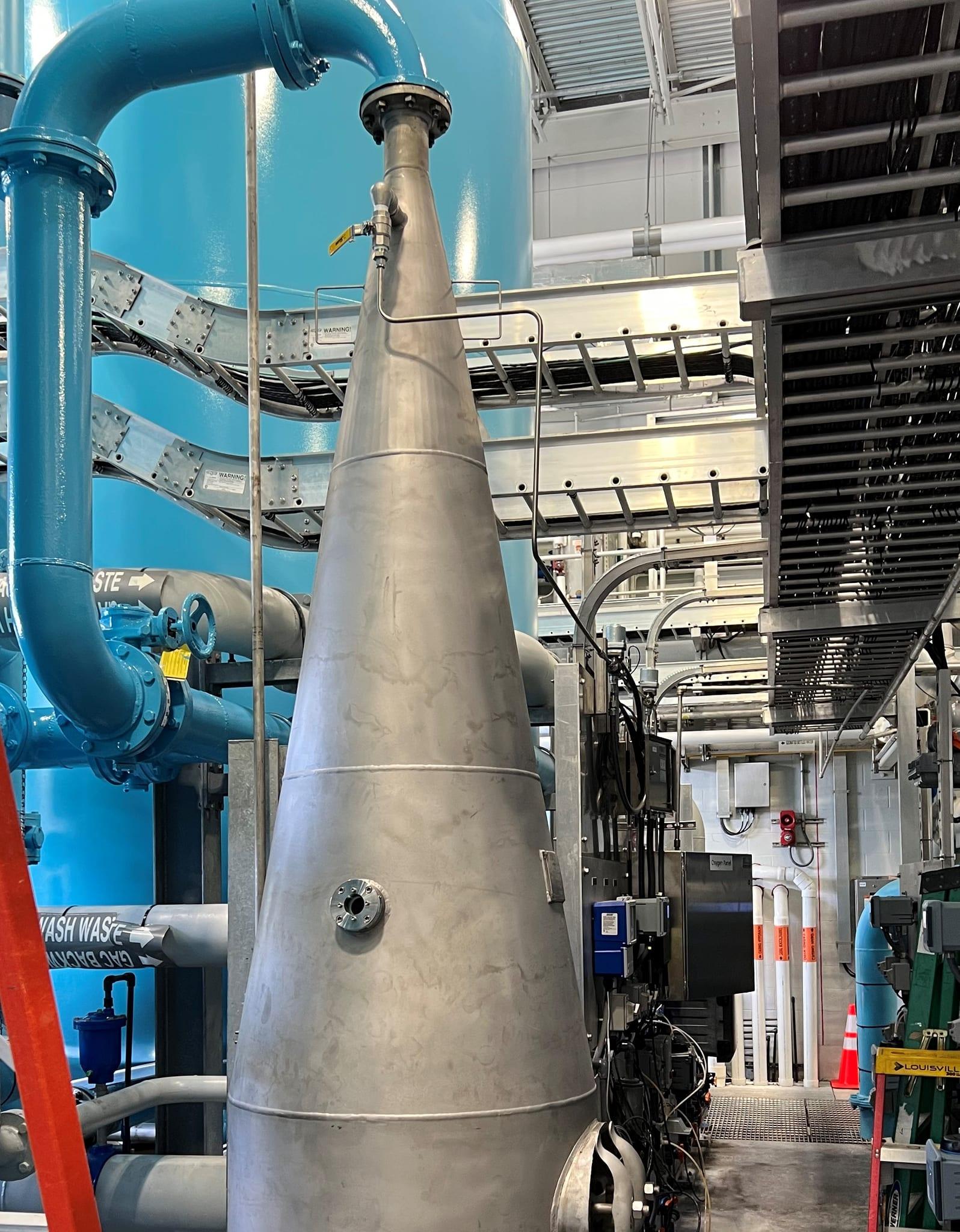
A side stream of process water is pumped through the cone, also called a down-flow bubble contactor, and oxygen gas is fed to the top through a flow control system. The cone's widening shape keeps the bubbles in contact until the oxygen is fully dissolved, so no bubbles return to the process. (PDF page 3) (opens in a new tab)
In Full
More Key Figures
Six more, each with what it measures and its PDF page.
From the PDF
| Figure | What It Measures |
|---|---|
| 6.4 miles | Knoxville force main protected by two systems, with 24 hours of retention (PDF page 24 (opens in a new tab)) |
| 5 miles | Gravity line downstream of the White Rock Pump Station where H₂S is reduced (up to) (PDF page 20 (opens in a new tab)) |
| 10 mg/L | D.O. added to Fort Valley's effluent to offset BOD (PDF page 26 (opens in a new tab)) |
| 6.0 mg/L | Effluent D.O. in the Travis Field plant's permit (PDF page 25 (opens in a new tab)) |
| 6,150 lbs/day | Oilfield produced water treatment, Cody, Wyoming (PDF page 26 (opens in a new tab)) |
| 500 lbs/day | Chambers Reservoir, installed before the reservoir was filled (PDF page 32 (opens in a new tab)) |
The Full Write-Up
The problem, the work, the results and who did it.
Some Jobs Need More Oxygen than Air or Chemicals Can Give
The portfolio's case is that Superoxygenation can meet objectives that aeration and chemical treatment cannot (p. 4).
In sewers, wastewater that runs out of oxygen makes hydrogen sulfide, which brings odor, corrosion and safety problems. Keeping the flow aerobic stops it, without harmful byproducts. Each system is sized to the oxygen demand of a particular process or length of pipe (p. 4).
At treatment plants, most systems take little space. That suits jobs such as raising effluent dissolved oxygen to meet a discharge limit at a difficult outfall, or sites with no room to spare (p. 4).
In lakes and reservoirs, water without oxygen keeps nutrients cycling through algal blooms and decay. Oxygen dissolved in a side stream that runs to and from the bottom leaves the thermal stratification undisturbed and the surface unchanged (p. 4).
A Side Stream Through a Speece Cone, Fed from a Tank or a Generator
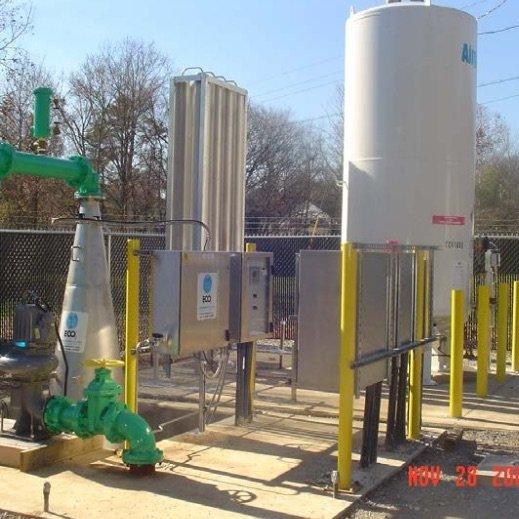
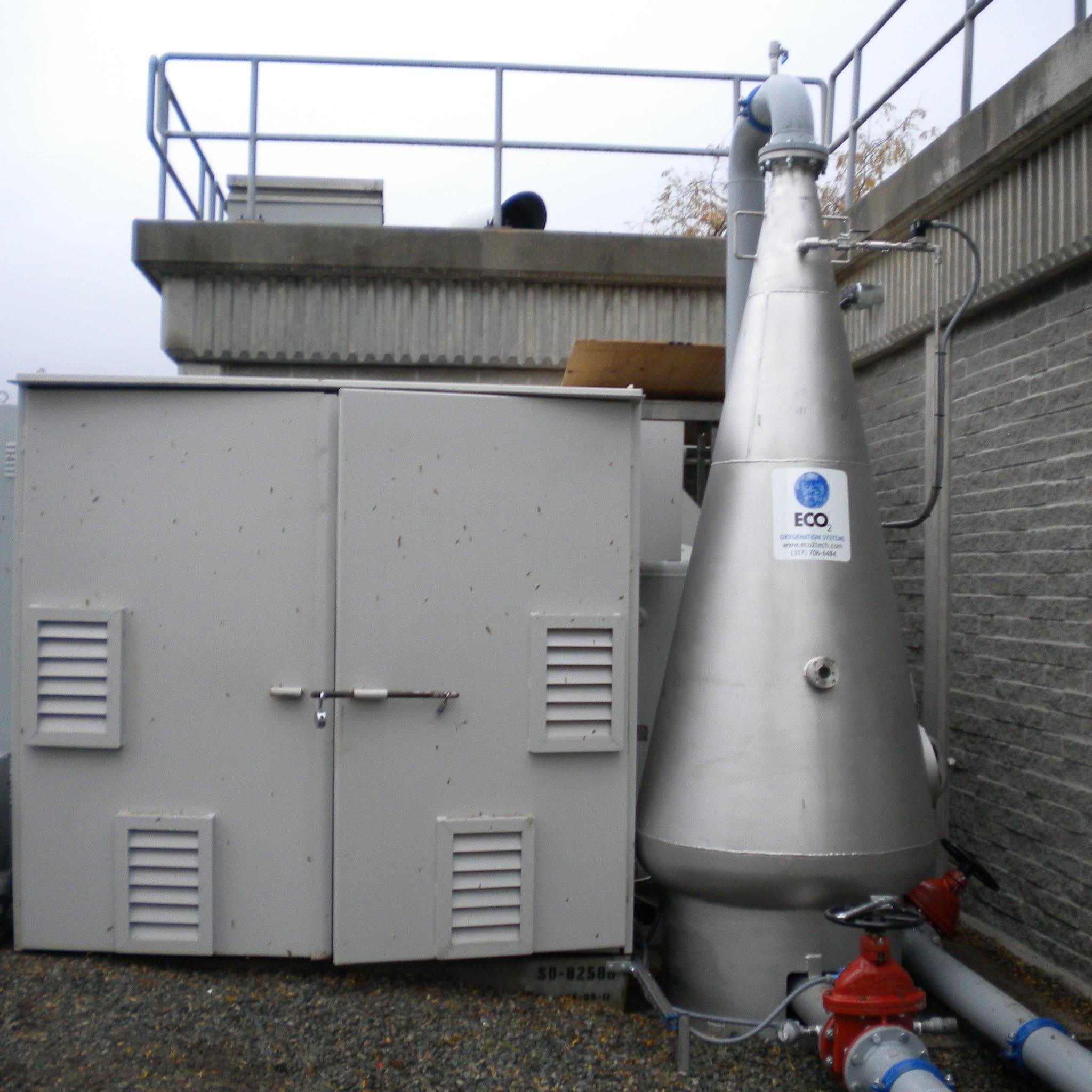
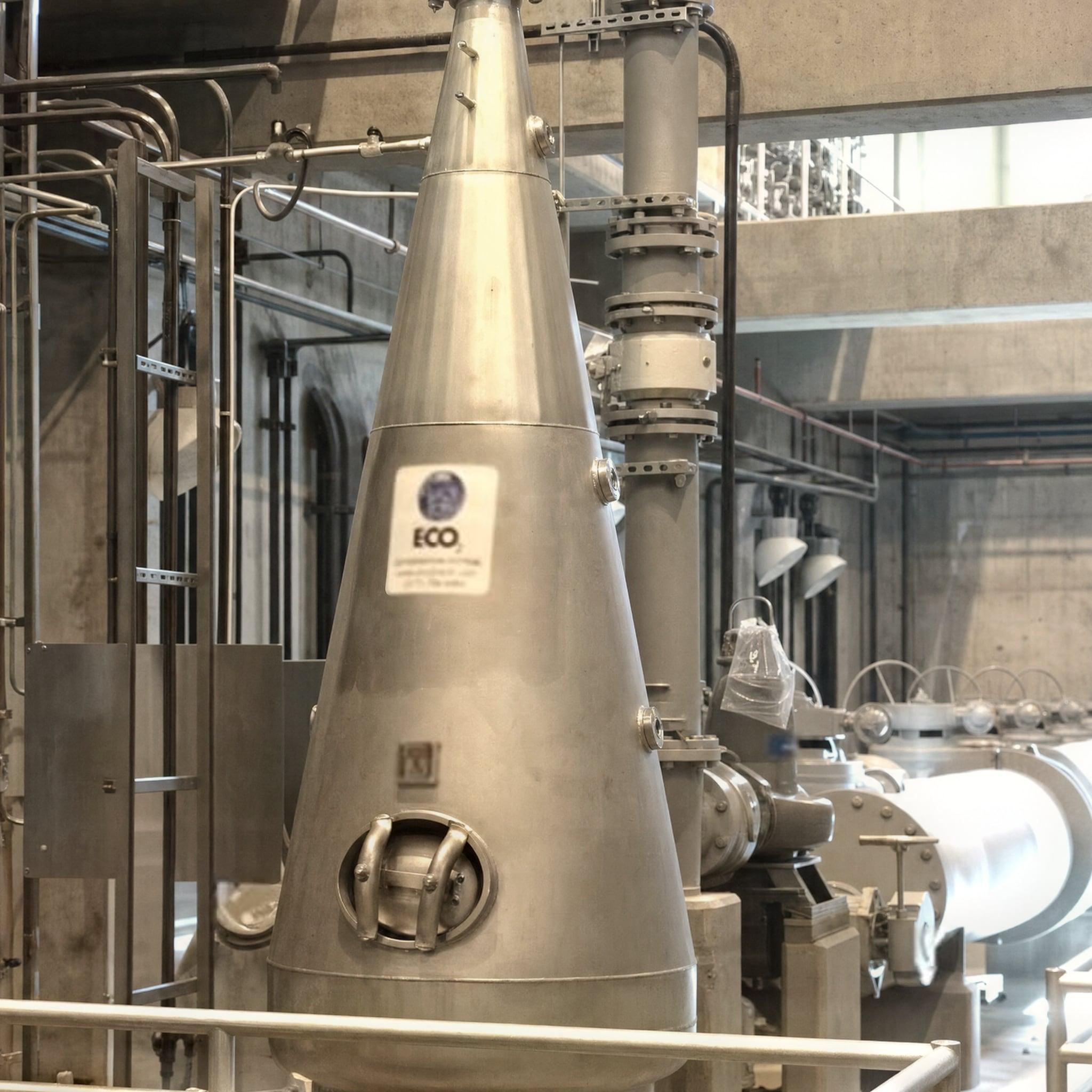
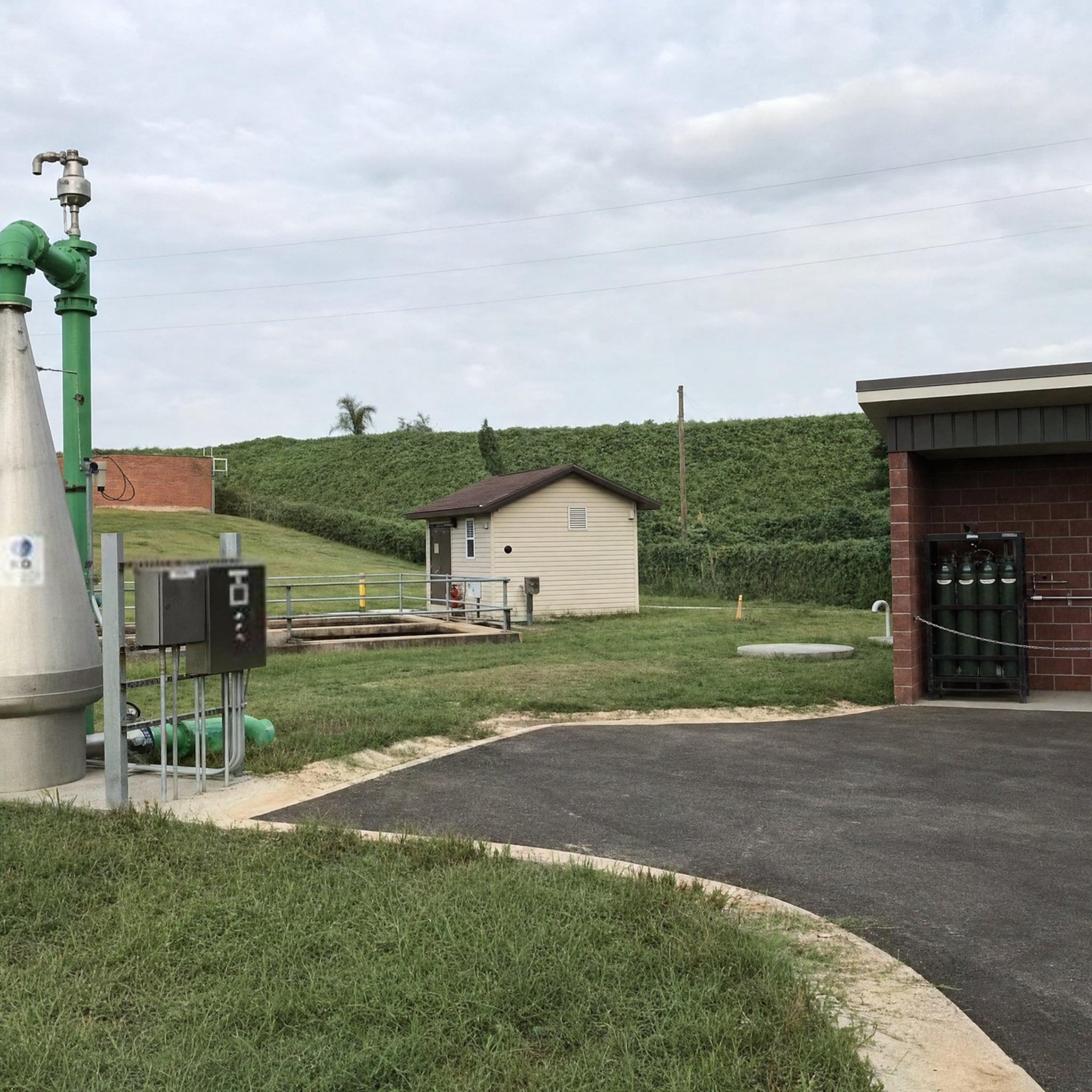
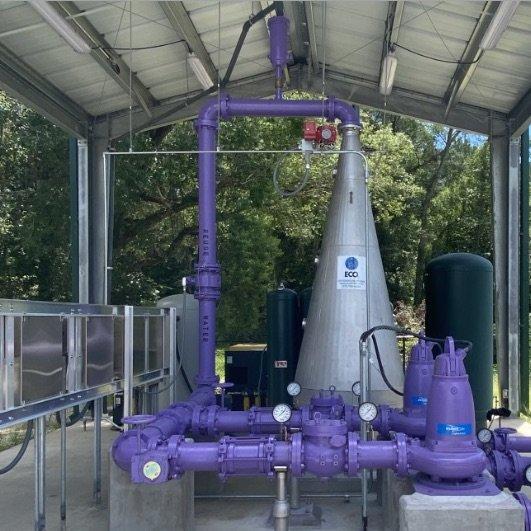
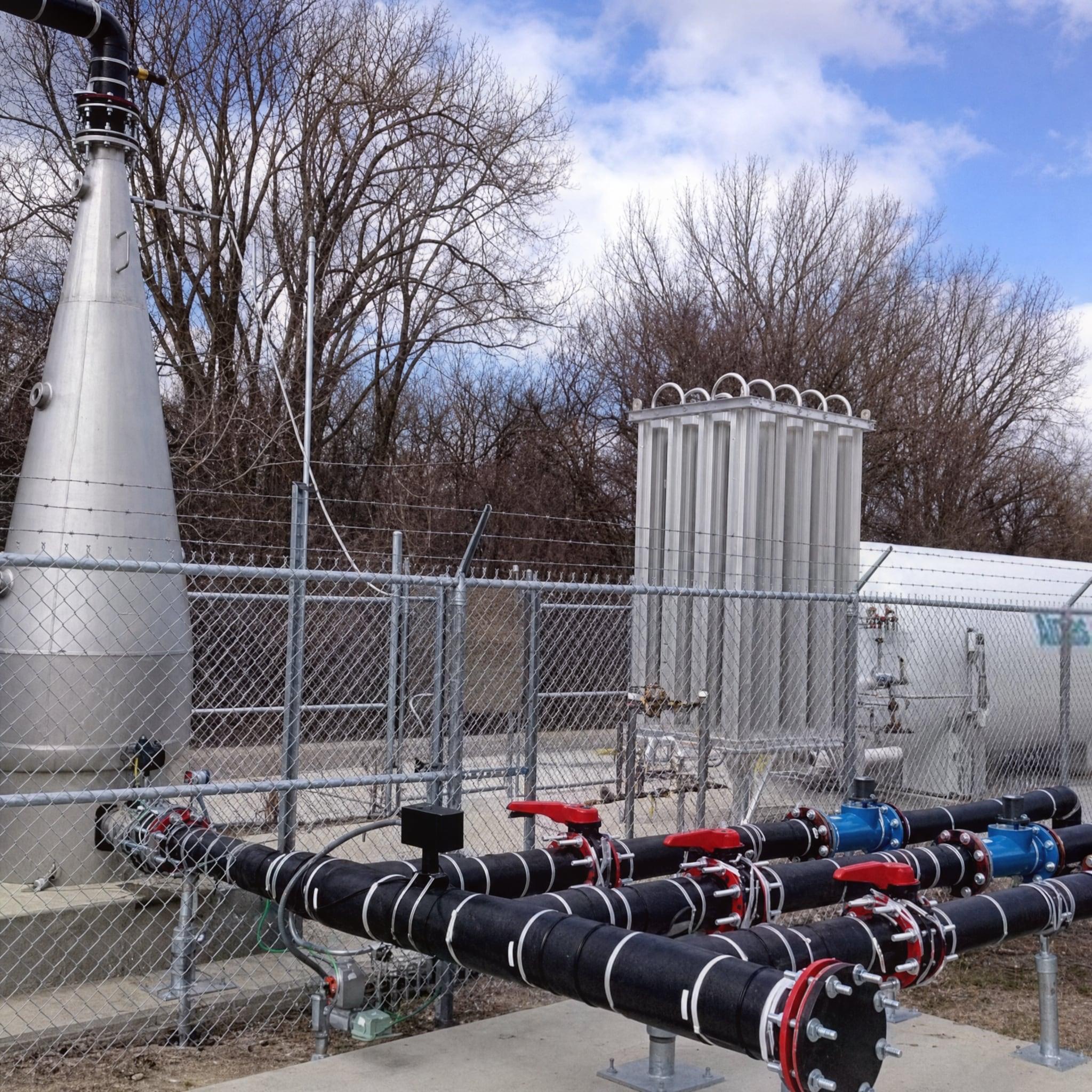
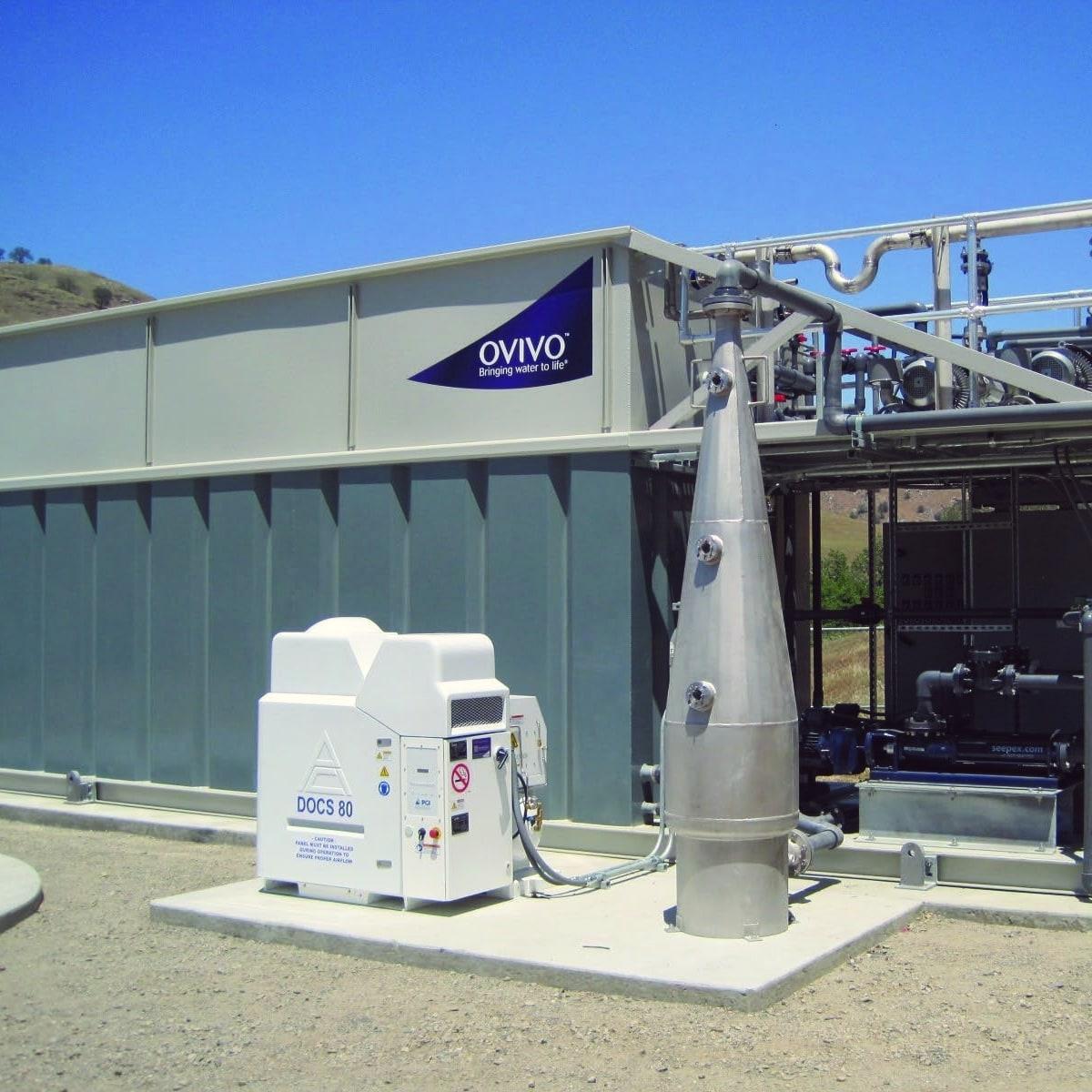
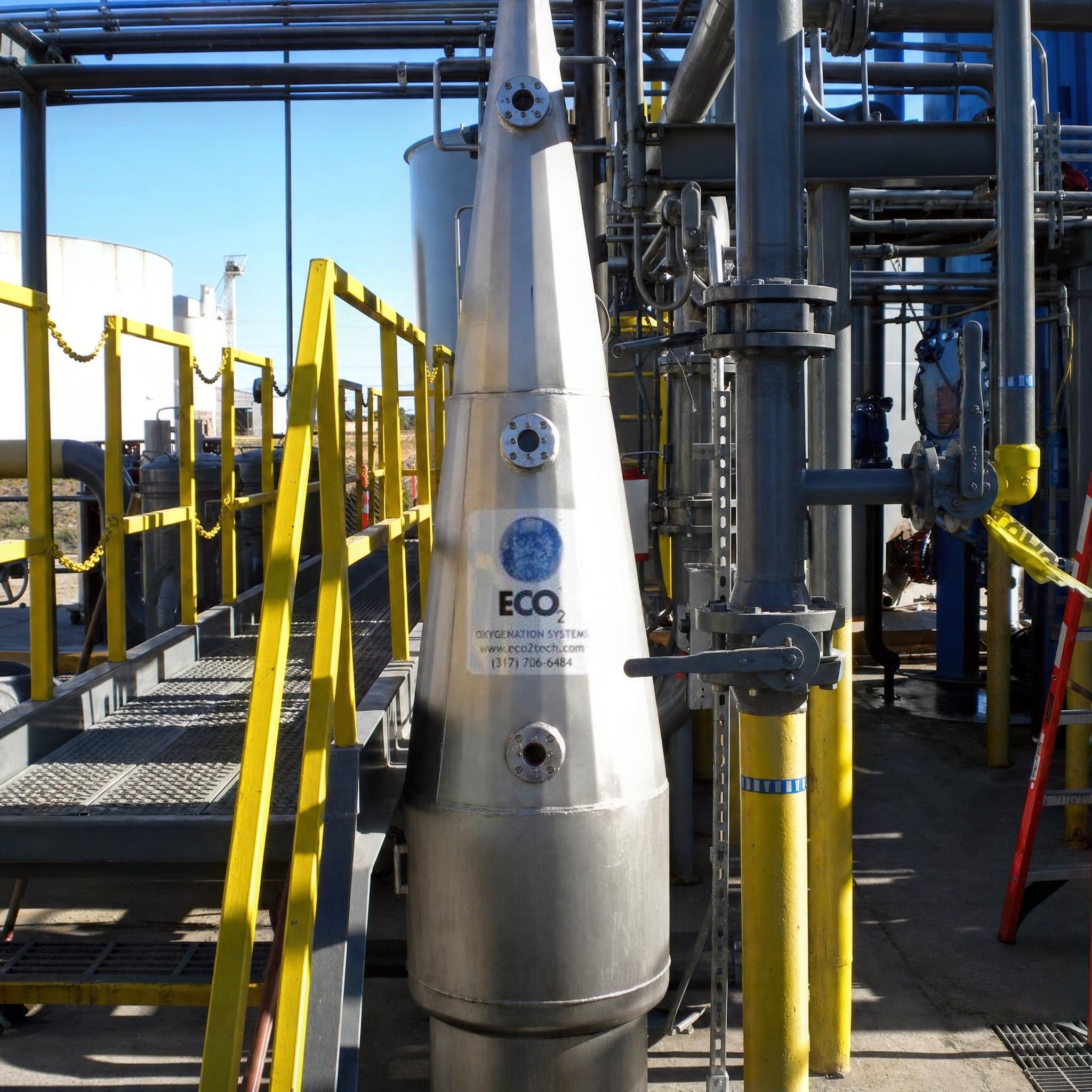
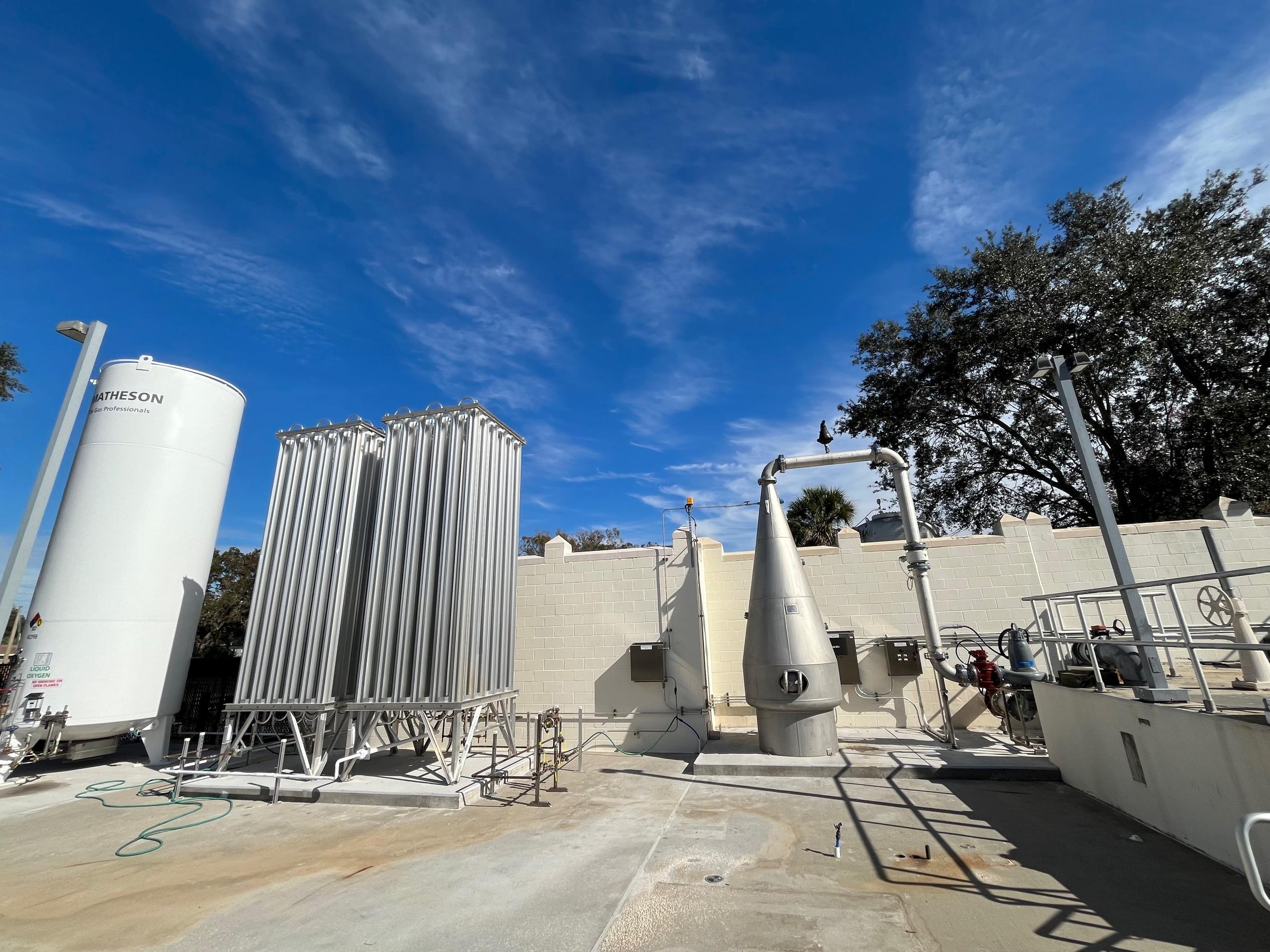
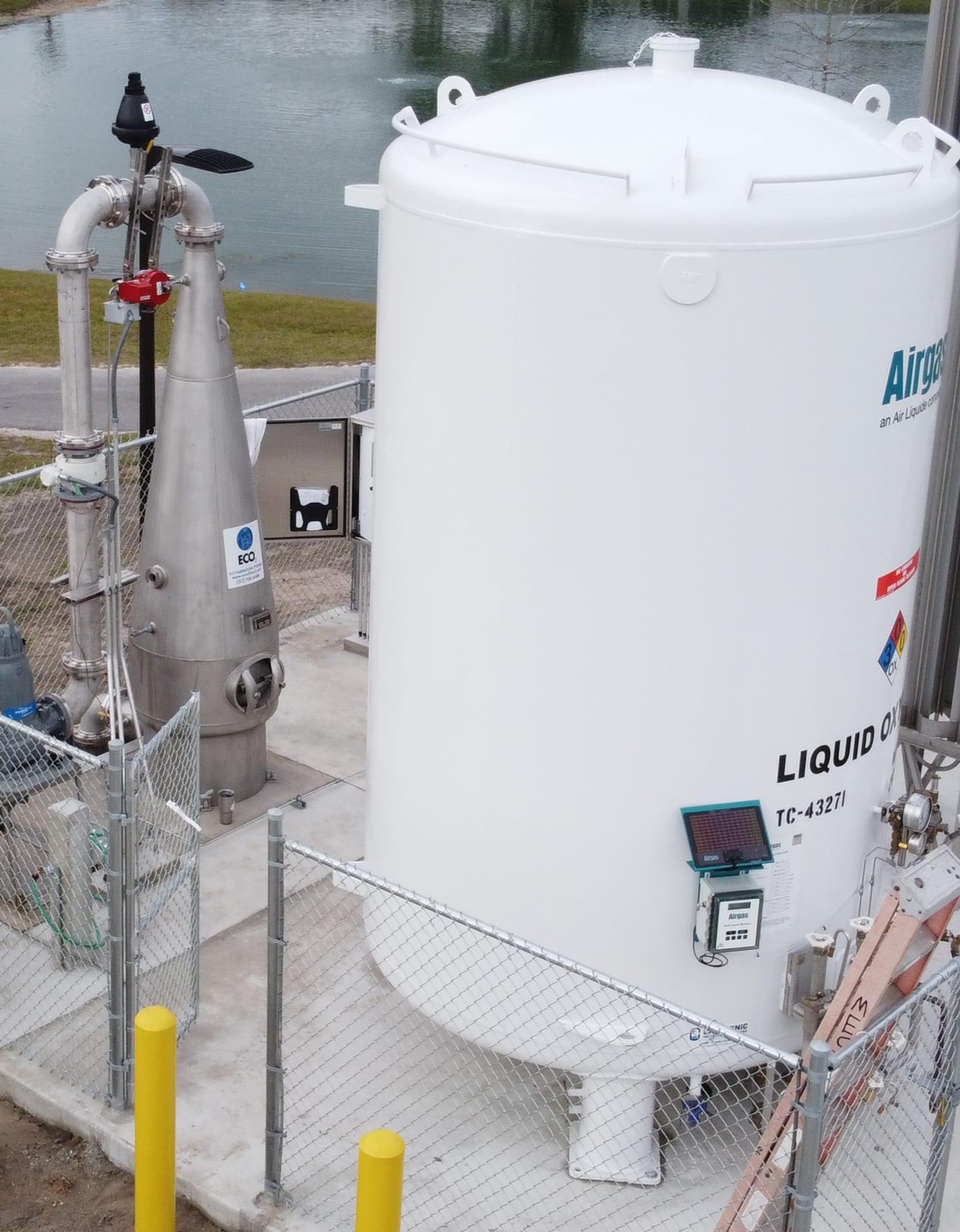
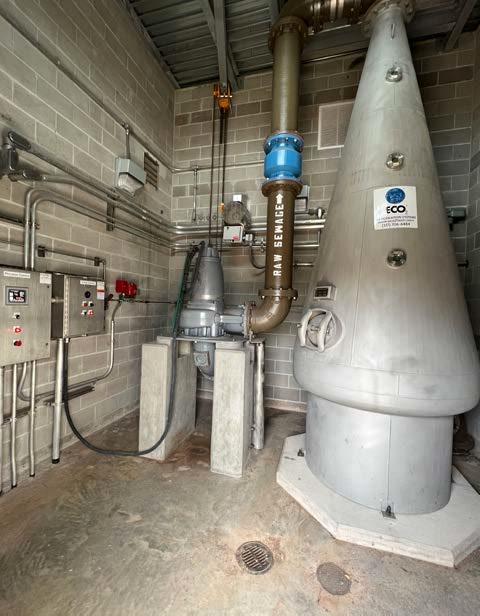
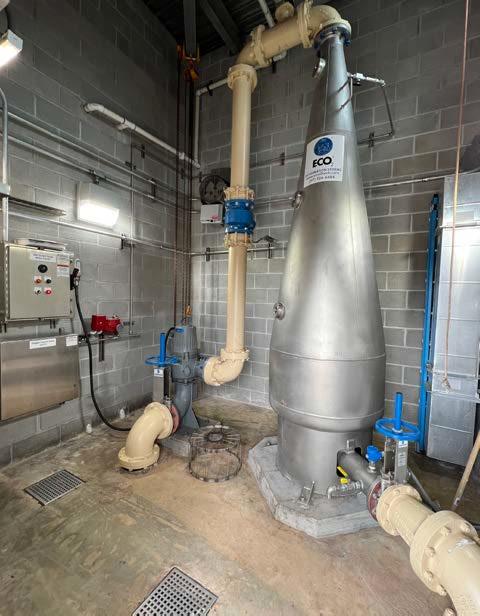
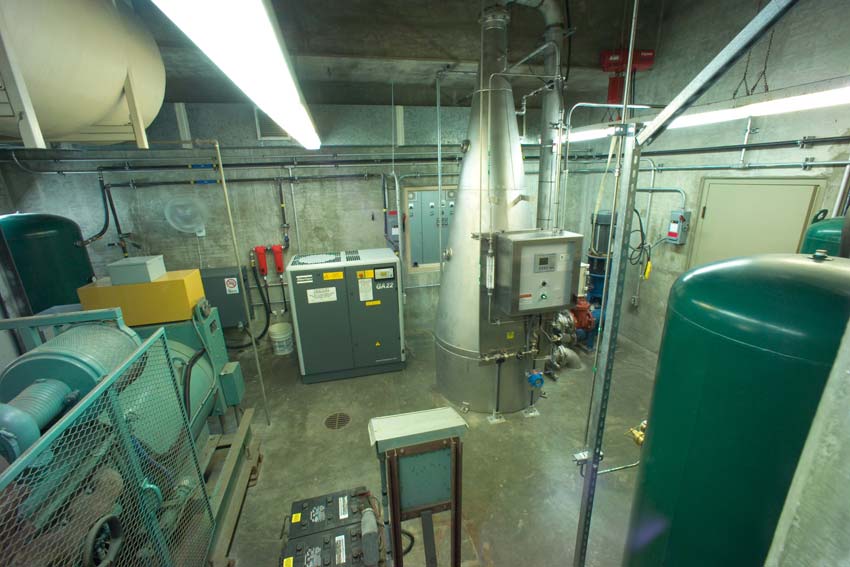
Every system works the same way. A pump draws a side stream of water through a Speece Cone, also known as a down-flow bubble contactor or Superoxygenation cone. Oxygen gas comes from storage to the top of the cone through a patented gas flow control system, set for the dissolved oxygen the job needs. The cone's shape creates hydraulic conditions that dissolve all the oxygen before the water goes back (p. 3).
In the project tables the oxygen comes from a liquid oxygen storage tank or onsite oxygen generators, and at Fort Valley, Georgia, from oxygen gas cylinders (p. 26).
What the Named Projects Do
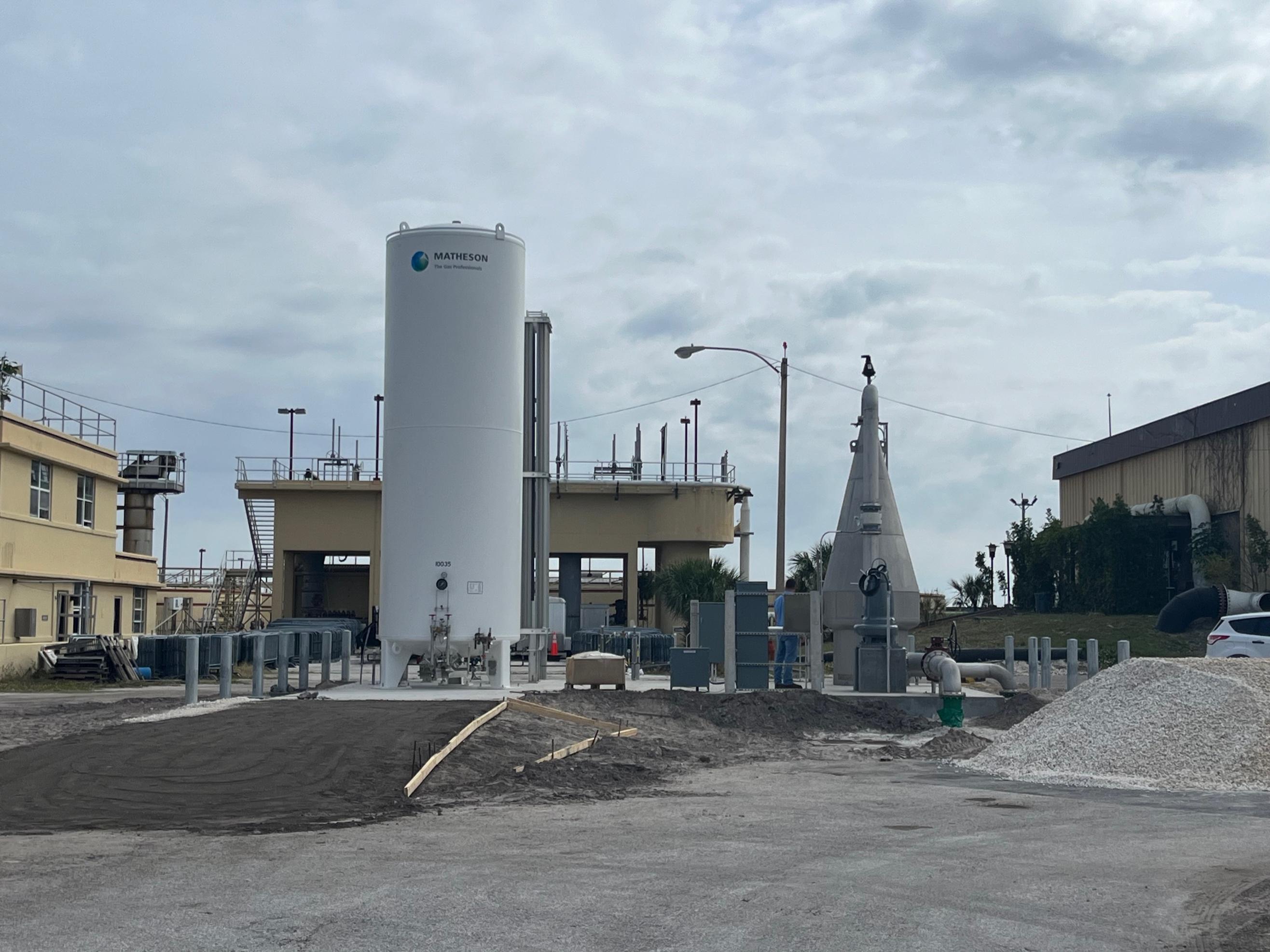
At St. Petersburg, Florida, Lift Station 85 treats a 30 inch, 7 mile force main to the Southwest Water Reclamation Facility, which processes about 20 MGD (p. 5). At The Villages, Florida, chemical feed proved too costly, and with oxygen the H₂S levels dropped to zero (p. 6). The Knoxville Utilities Board protects a 6.4 mile force main with 24 hours of retention using two systems, one at the start and one at the midpoint (p. 24). At the White Rock Pump Station in British Columbia, oxygen carried over from a short force main reduces H₂S up to 5 miles downstream in the gravity line (p. 20). Scottsdale, Arizona, had used iron-based chemicals and chose oxygen at each pump station (p. 11).
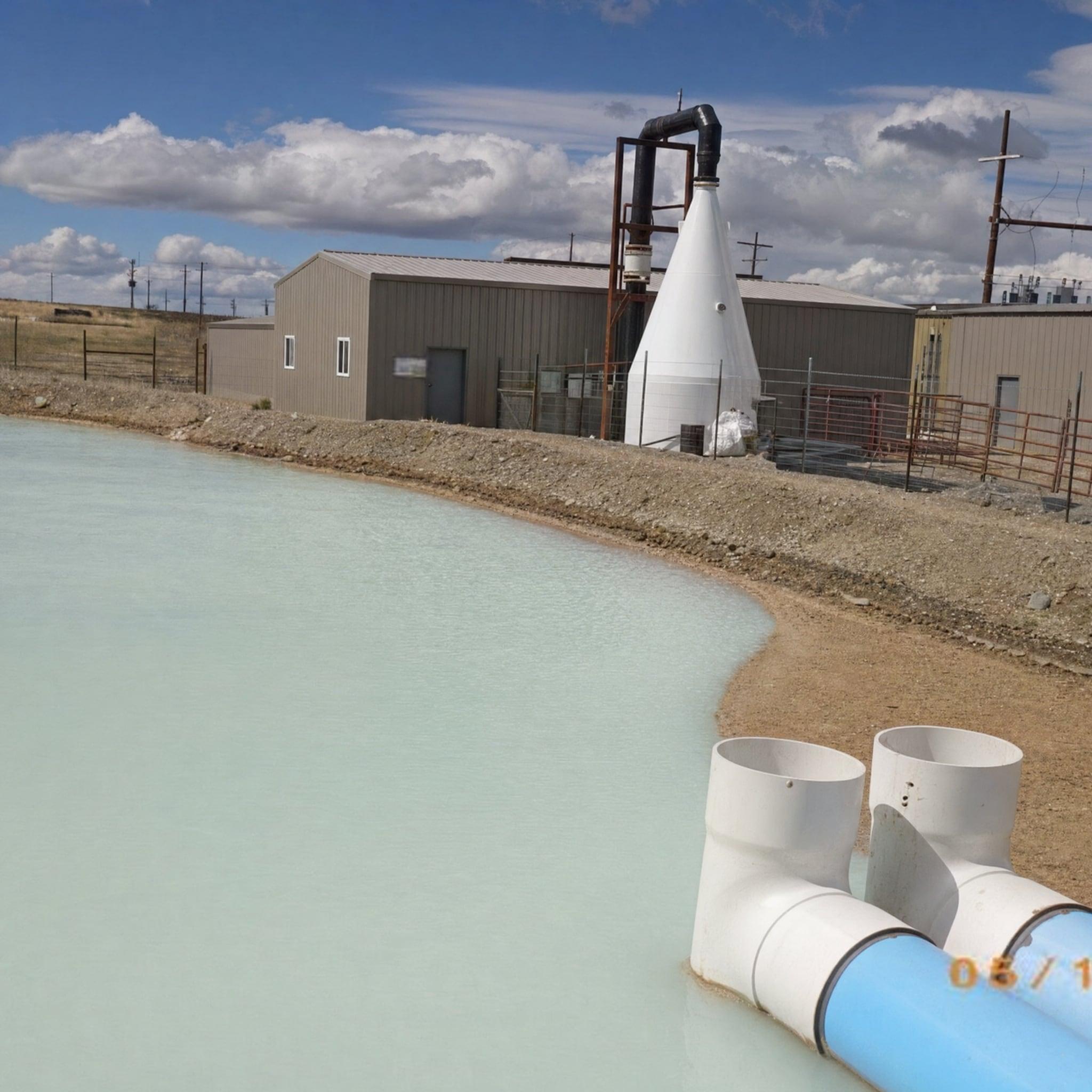
Fort Valley, Georgia, offsets BOD by adding 10 mg/L of D.O. to its effluent instead of building tertiary treatment (p. 26). The Travis Field plant in Savannah, Georgia, was designed to meet a permit of 6.0 mg/L of D.O. on limited land (p. 25). Other pages cover an oilfield's produced water in Cody, Wyoming, nitrification in constructed wetlands in Bay City, Michigan, MBR package plants and groundwater remediation in Lathrop, California (pp. 26, 27, 28).
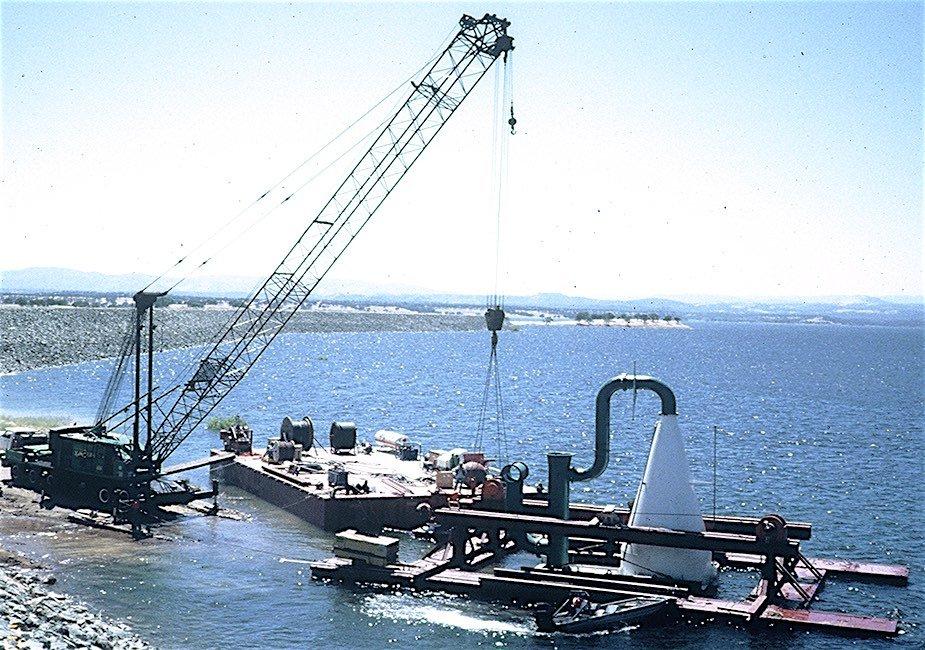
In lakes and reservoirs, Chambers Reservoir in Colorado had its system installed on the bottom before the reservoir was filled, adding 500 lbs/day of oxygen to protect water quality and the outlet structure (p. 32).
The Owners & Consultants Are Named on Every Page
Each project names its place and its consultant, from Hazen and Sawyer at the Hampton Roads SWIFT Research Center in Suffolk, Virginia, to Burns & McDonnell at Chambers Reservoir. Projects without an outside consultant say "Internal" (pp. 11, 25, 32).
The Speece Cone was invented by Dr. Richard Speece, Centennial Professor Emeritus of Civil and Environmental Engineering at Vanderbilt University, who continues with ECO₂ as Technical Advisor and Board Member (p. 3). The closing vision is signed by Alex D. Oak, PE, founder of Eco Oxygen Technologies, LLC (p. 35).
Why It Matters When You Choose an Approach
The portfolio is a reference list. If you are weighing oxygen against chemicals for a force main, against aeration for an effluent limit, or against doing nothing in a reservoir, it lets you find a project like yours and see who engineered it.
It also shows range. The same cone runs at a low flow pump station with an 8 hour retention time on a 1 mile force main, and on a reservoir floor (pp. 11, 32). The SWIFT Research Center, which treats up to 1 MGD of plant effluent to drinking water standards, uses it to raise dissolved oxygen in its biologically active carbon-based treatment without breaking pressure or adding undissolved gas (p. 25).
Written up from the brochure. Every figure is as the brochure prints it, with the PDF page it comes from; the authors' own words appear only in quotation marks.
How to Cite
One line to paste into a report.
ECO₂. ECO₂ Project Portfolio: 20 years of Superoxygenation Installations. April 2026. Eco Oxygen Technologies Technical Library. https://eco2tech.com/technical-library/eco2-project-portfolio/
https://eco2tech.com/technical-library/eco2-project-portfolio/
The Projects
The Next Step
Ask an ECO₂ Engineer
Questions about this brochure, or about your own water? An application engineer answers, with the figures.