Supplemental Dissolved Oxygen for Basins & MBRs
Oxygen dissolved outside the tank adds treatment capacity in the same footprint: why strong loads and high solids outrun aeration, and how basins and membrane plants use it.
01The Problem
Strong Loads & High Solids Outrun Aeration
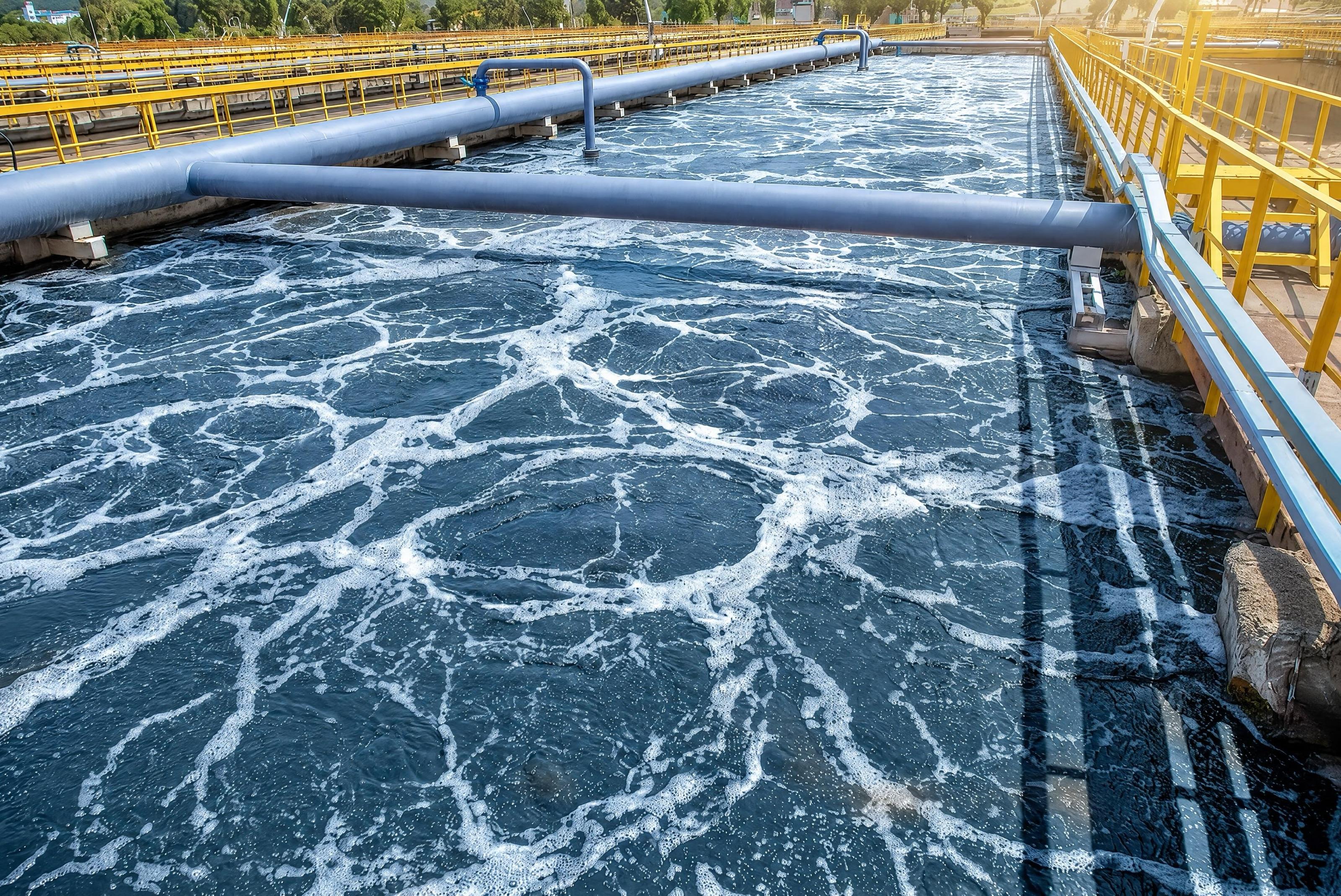
Supplemental dissolved oxygen adds capacity to a treatment process that has reached its aeration limits, in the same footprint. Pure oxygen dissolved in a side stream avoids the poor oxygen transfer of membrane reactors, which run at 8,000 to 18,000 mg/L of mixed liquor solids, and Superoxygenation reaches 50 to over 300 mg/L of dissolved oxygen.
Why It Happens
Supplemental D.O. adds capacity to an aeration basin in the same footprint: it handles higher loading in high-strength wastewater and in membrane bioreactors (MBRs).
High solids make the oxygen harder to deliver. Membrane reactors run at 8,000 to 18,000 mg/L of mixed liquor suspended solids, which greatly reduces how well oxygen transfers from bubbles. Advanced aerobic processes reach uptake rates over 300 mg/L an hour with MLVSS over 20,000 mg/L, while conventional aeration can economically reach less than 5 mg/L of dissolved oxygen.
Sources: ECO₂, applications paper, p. 7; ECO₂, odor control strategies bulletin, p. 2; ECO₂, Aeration Basin Design Data Checklist
02How It Works
Dissolve the Oxygen Before It Reaches the Tank
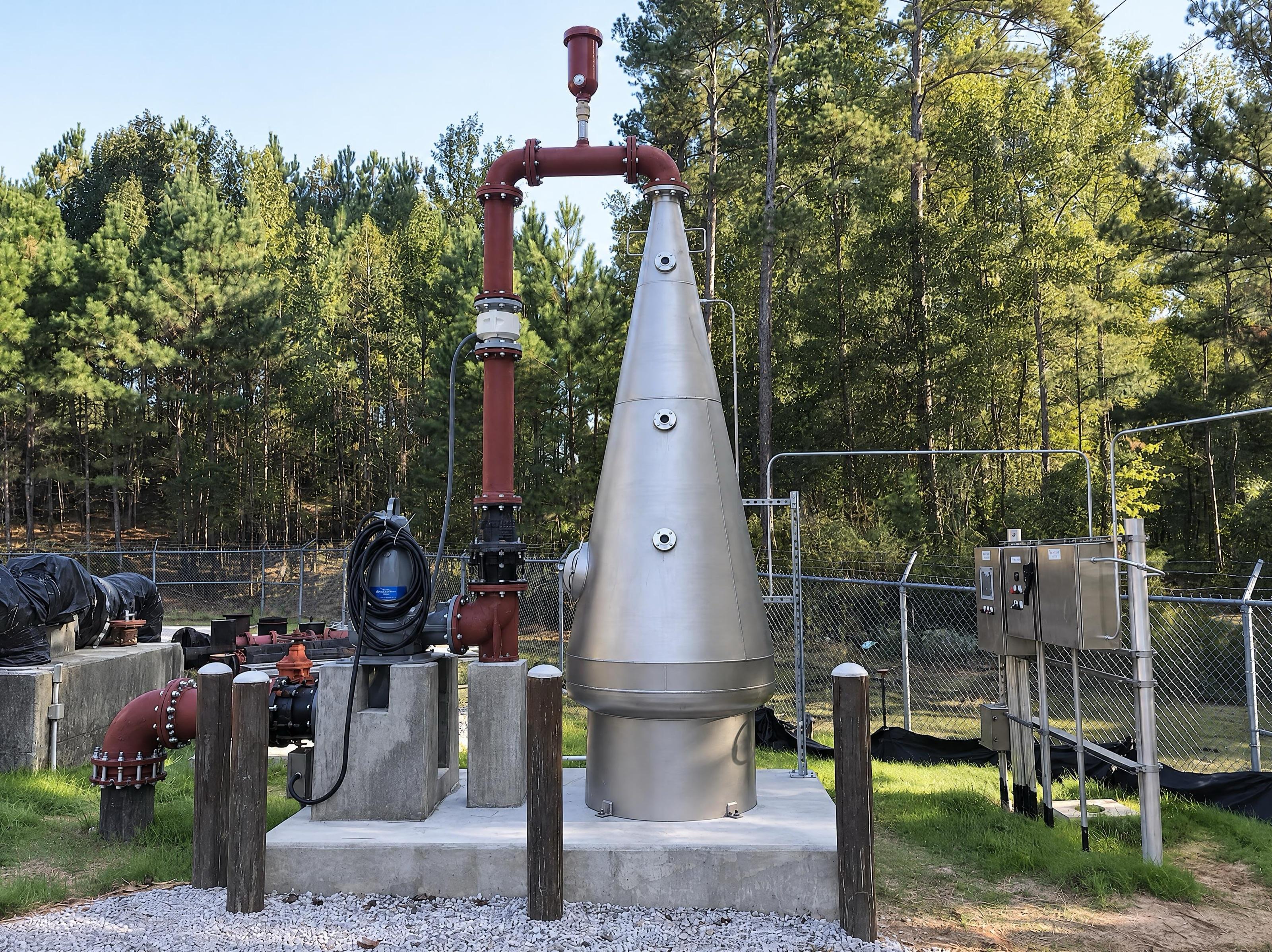
A side stream through a Speece Cone® carries the oxygen in already dissolved, so the tank's solids no longer limit the transfer.
The System in Detail
Superoxygenation dissolves pure oxygen under pressure, absorbing over 90% of it, to reach 50 to over 300 mg/L of dissolved oxygen. Added to the primary effluent ahead of the activated sludge reactor, it can carry the whole oxygen demand in, and the low transfer of a high solids membrane reactor no longer matters.
The oxygen stays in solution. A 24 MGD system raised dissolved oxygen to 150 mg/L and kept it in solution after diluting it into a 30 ft deep basin held below 4 mg/L.
ECO₂'s Aeration Basin Design Data Checklist sets out the same use: supplemental D.O. adds capacity to an aeration basin in its existing footprint, and more BOD reduction at peak demand.
Sources: ECO₂, applications paper, p. 1; ECO₂, Aeration Basin Design Data Checklist
03The Proof
Package Membrane Plants Run on Supplemental Oxygen
ECO₂'s project record, and a published profile of a package membrane plant.
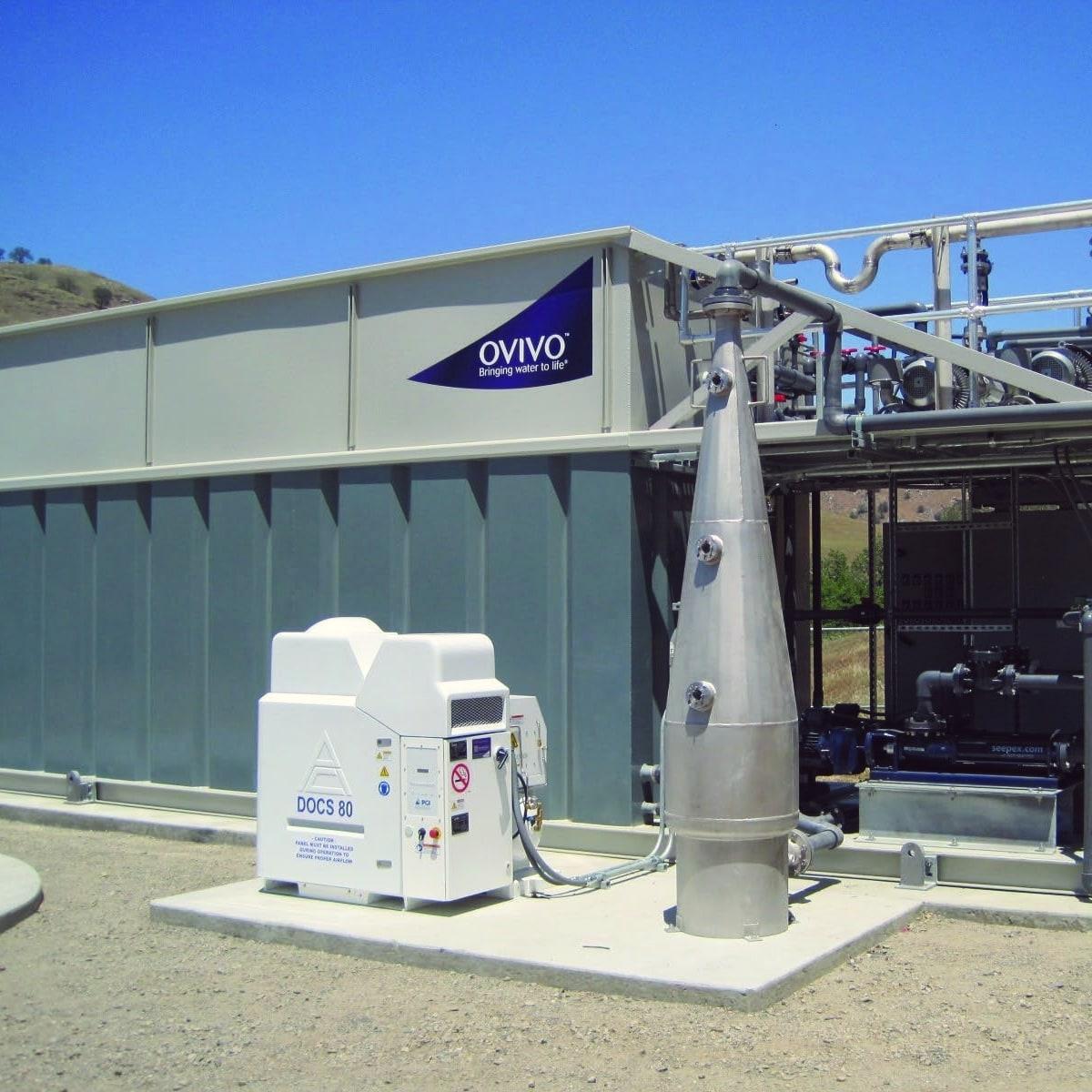
ECO₂'s project record covers MBR package plants at several locations: for high strength wastewater, pure oxygen is added with an ECO₂ Superoxygenation system to meet low nutrient limits.
The Detail & Its Sources
A published profile of a package membrane plant on the Tule River Reservation in California describes the same need. The plant holds a high concentration of biomass in compact tanks and lists concentrated oxygen as its supplemental aeration. It serves 850 residents at a capacity of 0.075 MGD.
How It Compares with Adding More Aeration
Many field aeration systems transfer 1 to 2 lbs of oxygen per kWh and absorb only 5 to 10% of the oxygen they move, and conventional aeration can economically reach less than 5 mg/L of dissolved oxygen. In a high solids membrane reactor, the transfer from bubbles falls further. Pure oxygen dissolved outside the tank, at over 90% absorption, adds the oxygen in the footprint the plant already has.
Sources: ECO₂, aeration bulletin, p. 1; ECO₂, applications paper, p. 1
Where ECO₂ Systems Work on This Problem
04For Engineers
Read the Papers
Questions Plant Engineers & Operators Ask
What is supplemental dissolved oxygen?
Pure oxygen dissolved into a treatment process on top of what its aeration supplies. ECO₂'s Aeration Basin Design Data Checklist describes it as added capacity for an aeration basin in its existing footprint, and more BOD reduction at peak demand.
Why does a membrane bioreactor need supplemental oxygen?
Membrane reactors run at 8,000 to 18,000 mg/L of mixed liquor solids, which greatly reduces oxygen transfer from bubbles. Adding the oxygen already dissolved, ahead of the reactor, makes that loss irrelevant.
Will the extra dissolved oxygen stay in solution?
Yes, when it is diluted as it enters. A 24 MGD system raised dissolved oxygen to 150 mg/L and kept it in solution after diluting it into a 30 ft deep basin held below 4 mg/L.
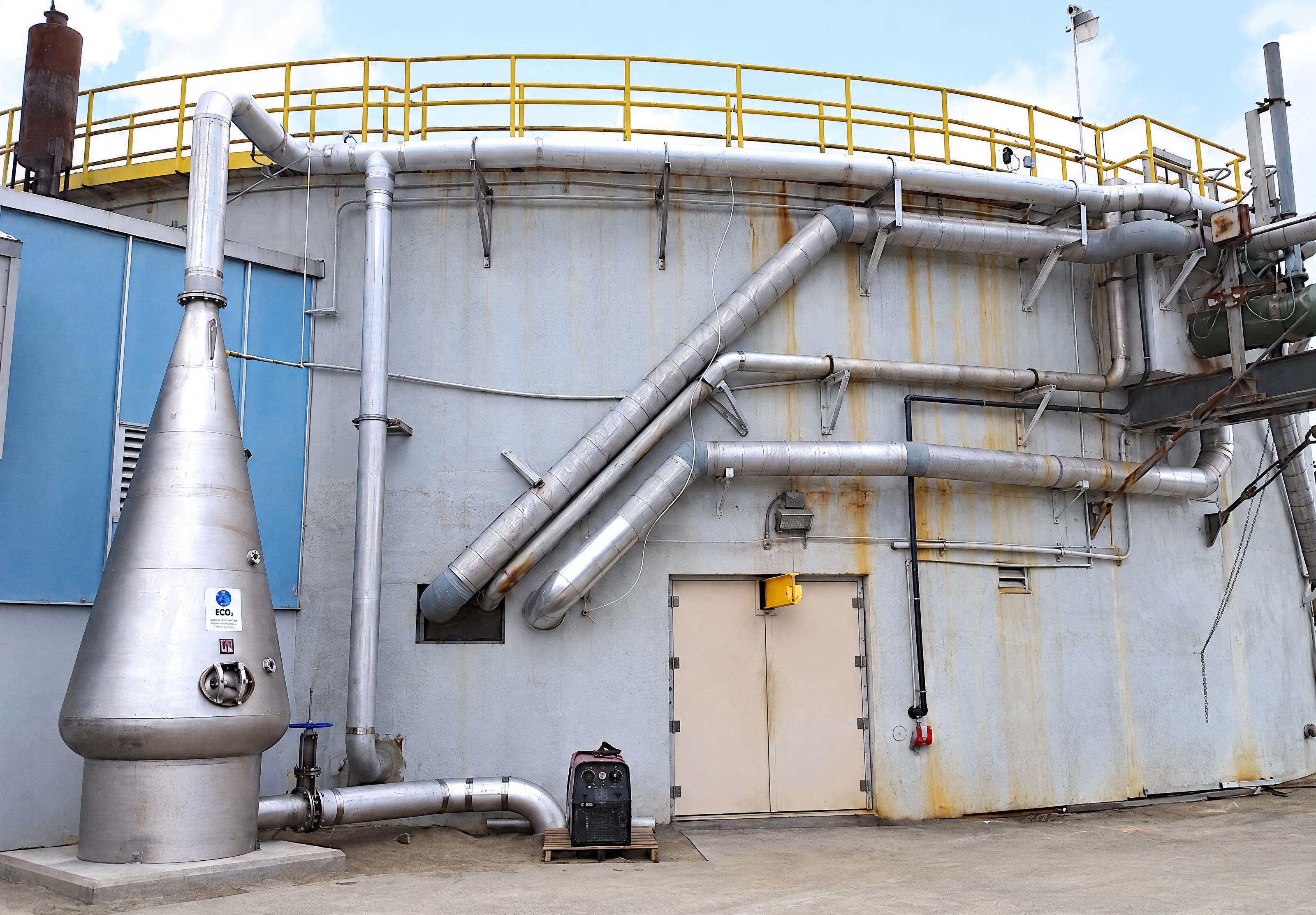
Primary clarifier, Anson-Madison Sanitary District, Madison, Maine.
Other Wastewater Treatment Problems
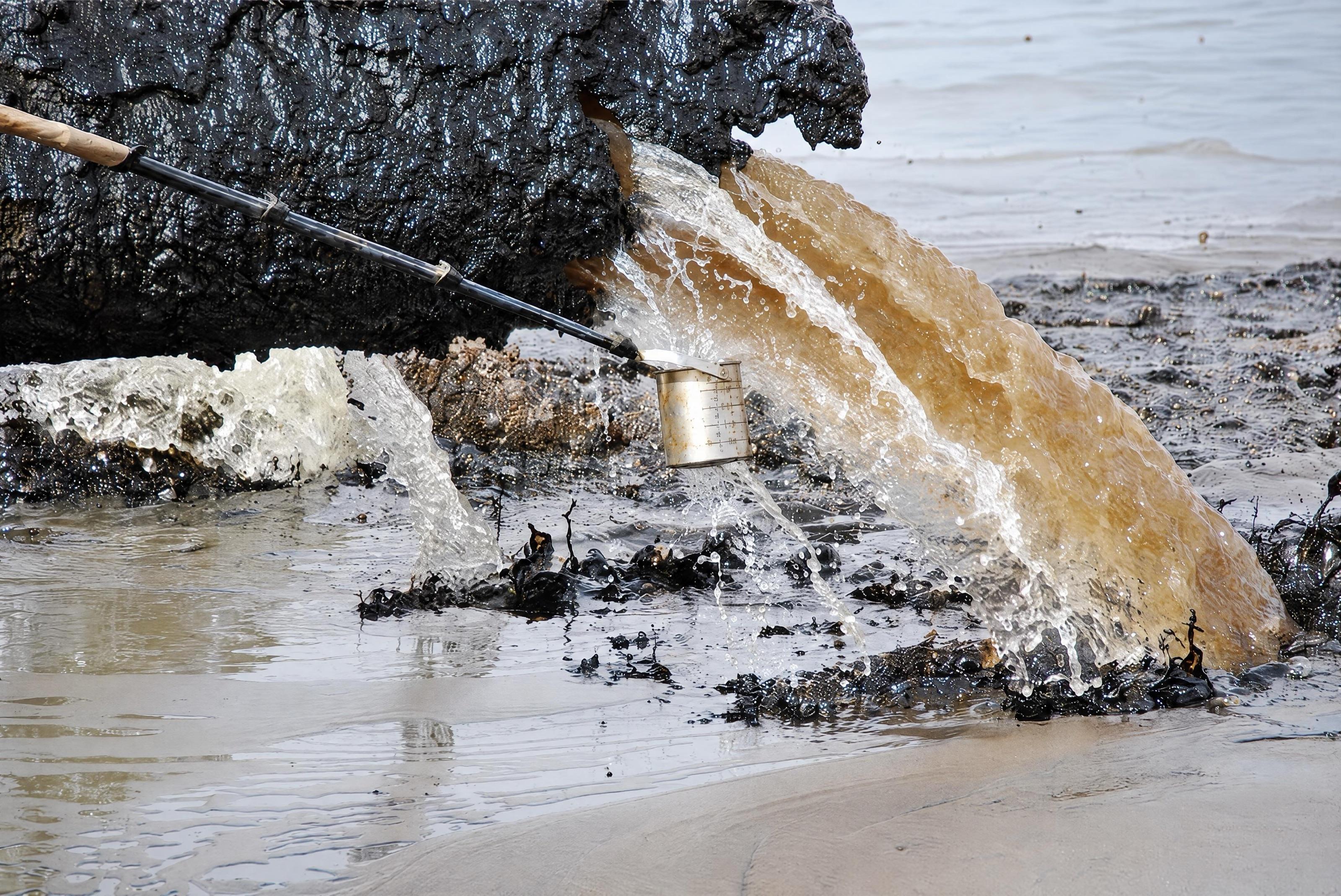
Effluent Discharge D.O.
Raise effluent DO to the permit limit, or offset the BOD a plant still discharges.
See How It Is Solved
Treatment Wetlands
Oxygen dissolved into the water lets a wetland nitrify in a smaller footprint.
See How It Is Solved
Groundwater Remediation
Dissolved oxygen feeds the bacteria that break a groundwater contaminant down.
See How It Is Solved
05The Next Step
Send Us Your Basin & Loading Data
Flows, loads, the basin's size and today's dissolved oxygen are enough for a first look. The Aeration Basin Design Data Checklist helps. ECO₂'s engineers check the data for a technical fit, then send a system design with its estimated capital and annual operating costs, and can visit your site to confirm the data.