Dissolved Oxygen for Wastewater Treatment & Discharge Permits
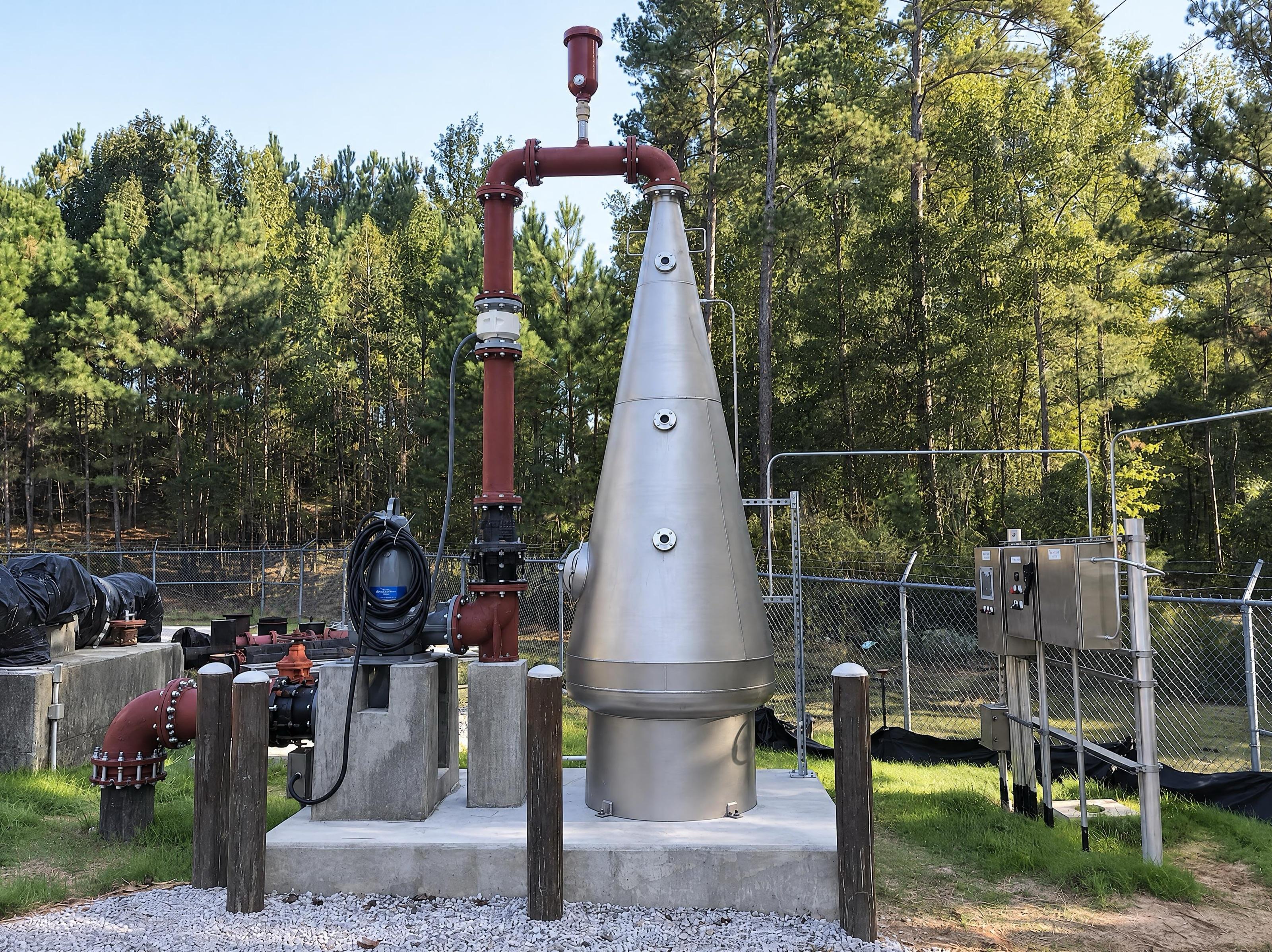
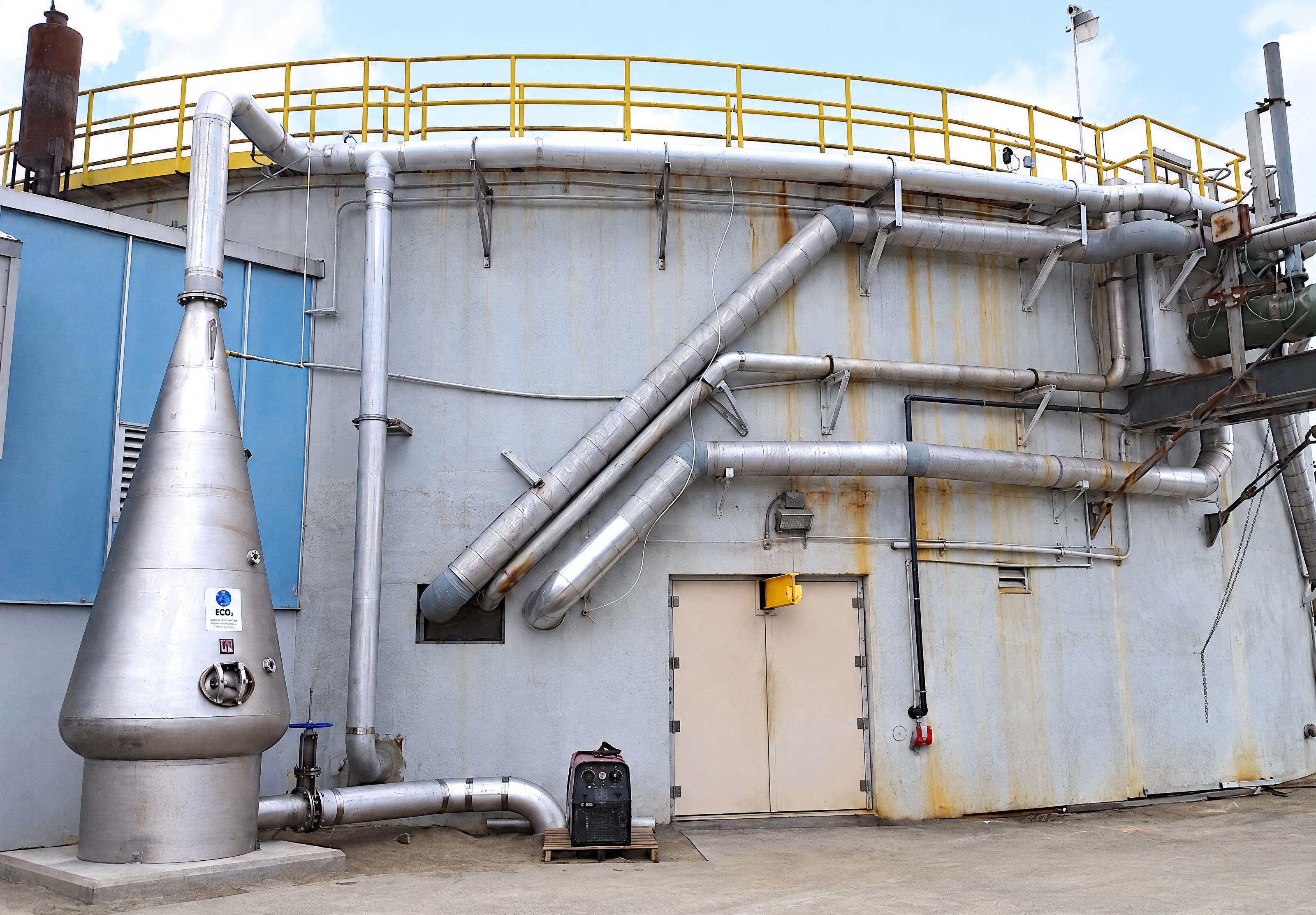
ECO₂ dissolves pure oxygen into wastewater in a Speece Cone®, to meet dissolved oxygen (D.O.) limits at the outfall and add oxygen where a process needs more than air.
01The Problem
Why Oxygen Matters in Treatment
Efficient oxygen delivery is critical to modern wastewater treatment. ECO₂'s Superoxygenation raises dissolved oxygen (D.O.) quickly at the stages that need it: in treated effluent at the discharge point, as supplemental D.O. for aeration basins and membrane bioreactors, in treatment wetlands and in groundwater treatment.
More on the Problem
Oxygen at those stages strengthens the biological processes and improves effluent quality, so a plant can meet stricter permits with greater reliability.
8.0mg/L
Kennebunk, Maine's effluent must carry at least 8.0 mg/L of dissolved oxygen, as a 5-day average, into an estuary impaired for it. Source: Kennebunk Sewer District Dissolved Oxygen Discharge Compliance (2015), page 2
8,000 to 18,000mg/L
Membrane bioreactors run at 8,000 to 18,000 mg/L of mixed liquor solids, which cut the oxygen transfer of diffusers.
Where Wastewater Treatment Needs Dissolved Oxygen
Effluent Discharge D.O.
The permit sets a dissolved oxygen floor at the outfall, or a BOD the plant must offset.
See How It Is SolvedIndustrial
Oilfield produced water high in sulfide is treated with oxygen so it can be discharged.
See How It Is SolvedChemical
A wetland that treats a manufacturing plant's wastewater nitrifies in a smaller footprint.
See How It Is SolvedAdvanced Reuse
Advanced treatment for reuse gets its oxygen with no pressure break and no bubbles.
See How It Is SolvedTreatment Wetlands
A wetland on air alone nitrifies slowly, so it must be large to remove its ammonia.
See How It Is SolvedSupplemental D.O.
Strong loads and high solids outrun the air a basin or a membrane reactor can deliver.
See How It Is SolvedGroundwater Remediation
The bacteria that break a contaminant down need dissolved oxygen to do the work.
See How It Is Solved
02How It Works
How Oxygen Goes into the Process
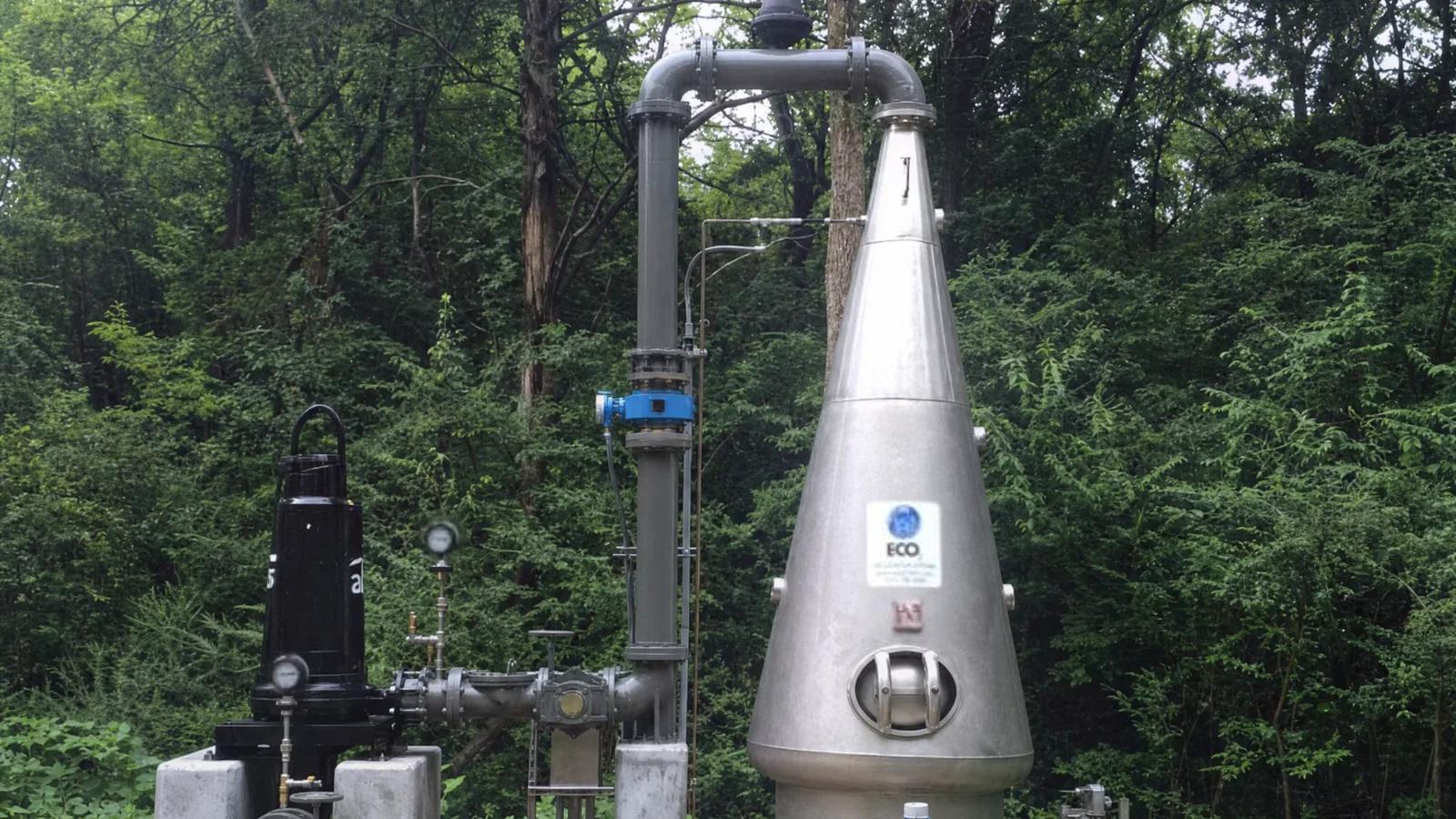
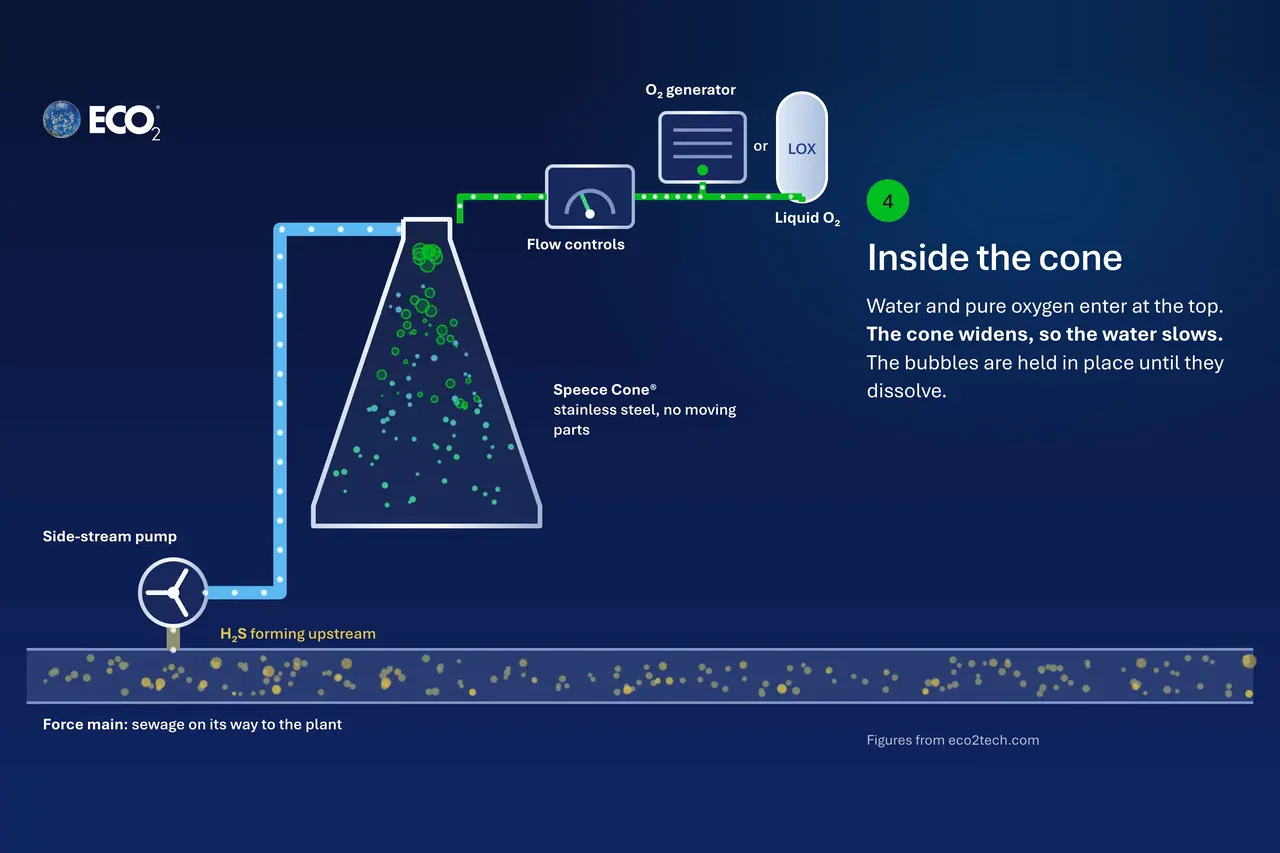
ECO₂’s side-stream Superoxygenation System dissolves pure oxygen into wastewater, delivering D.O. where it is needed without the inefficiencies of traditional aeration.
The System in Detail
Unlike conventional aeration, which needs large basins and a lot of energy, ECO₂’s compact systems dissolve the oxygen in a side stream with high efficiency. They fit tight sites, from small municipal plants to large industrial operations, and help a plant meet its permits for D.O., BOD and ammonia.
03The Proof
The Results, Site by Site
Every Result in One Table
Dissolved oxygen in treatment: results at three plants and a wetland
Dissolved oxygen in treatment: results at three plants and a wetland
| Site | The job | Before | With oxygen |
|---|---|---|---|
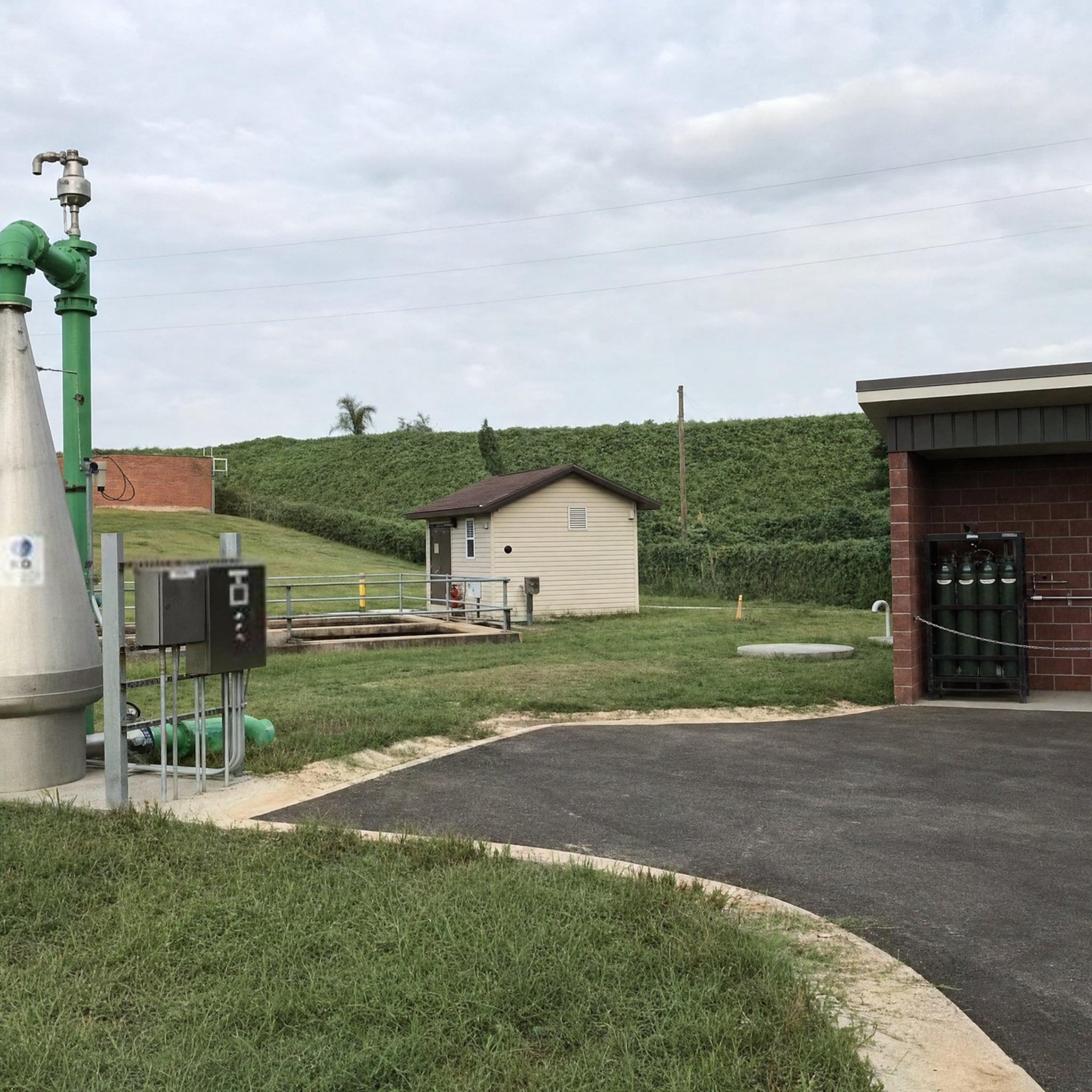
| Kennebunk, MaineKennebunk Sewer District Dissolved Oxygen Discharge Compliance | Effluent DO into an impaired estuary | Hot summer months hardest to meet the effluent DO limit | 9.2 mg/L average effluent DO from June to mid October, against an 8.0 mg/L standard |
| Fort Valley, GeorgiaFort Valley, GA Post-Treatment Oxygenation For Net-Zero Ultimate BOD Discharge | Effluent DO for a net-zero ultimate BOD permit | Could not add the oxygen needed above 1.3 MGD | Permit met by offsetting 10 mg/L of BOD and ammonia, at under 20% of the cost of the tertiary treatment equipment |
| Port Wentworth, GeorgiaPort Wentworth, GA WWTP Effluent Dissolved Oxygen for Net-Zero UOD | A discharge permit for a new plant | About $2 million more for tertiary treatment to take BOD below 5 mg/L | Permit granted, 5 mg/L of BOD and 1 mg/L of ammonia offset with dissolved oxygen, at under 20% of the cost of the tertiary treatment equipment |
| A Superoxygenated wetland in Michigan (peer-reviewed study)Nitrification and Total Nitrogen Removal in a Super-oxygenated Wetland | Nitrification to remove ammonia | A surface flow wetland on air alone nitrifies slowly | Mean ammonia nitrogen 8.0 mg/L at the inlet, 0.6 mg/L at the outlet |
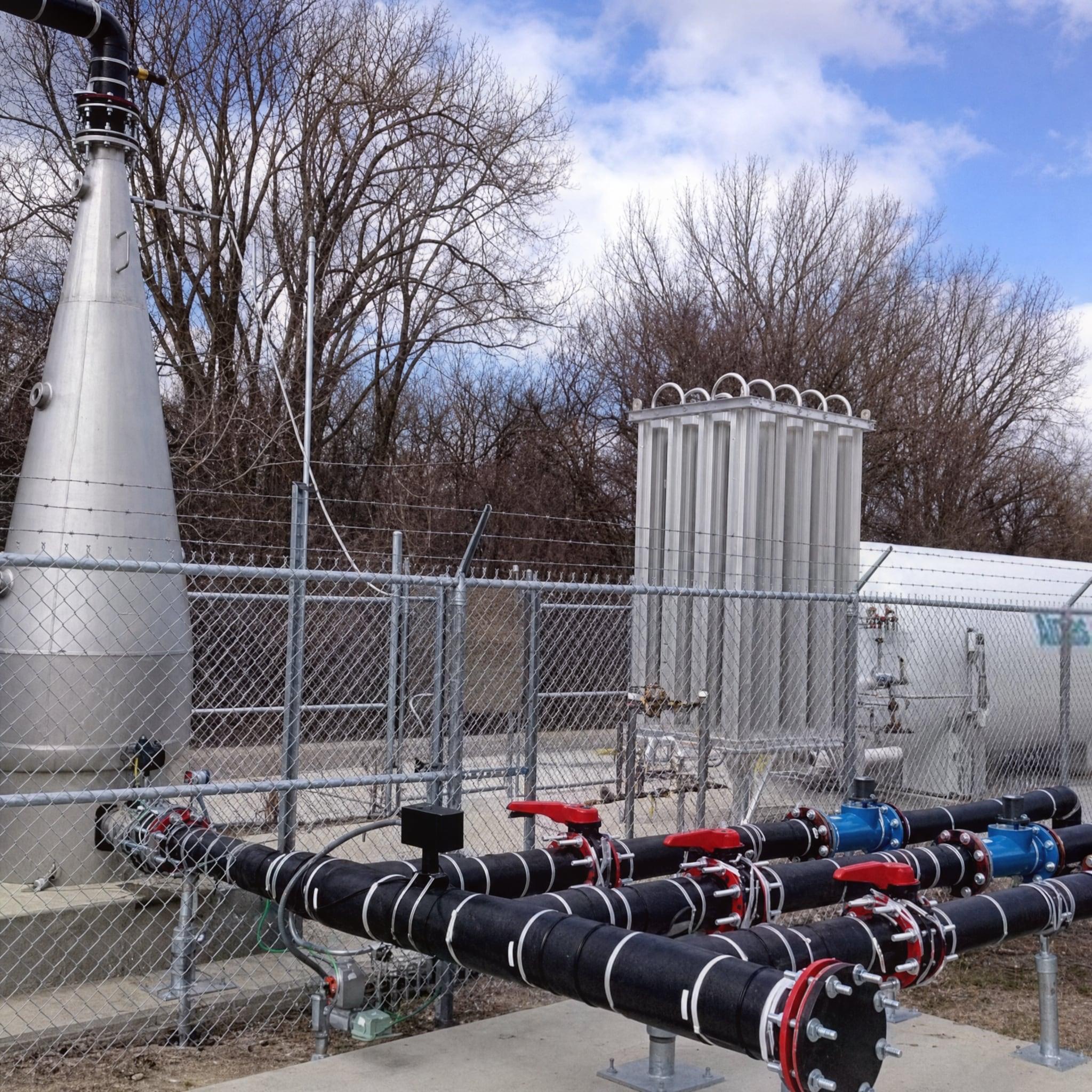
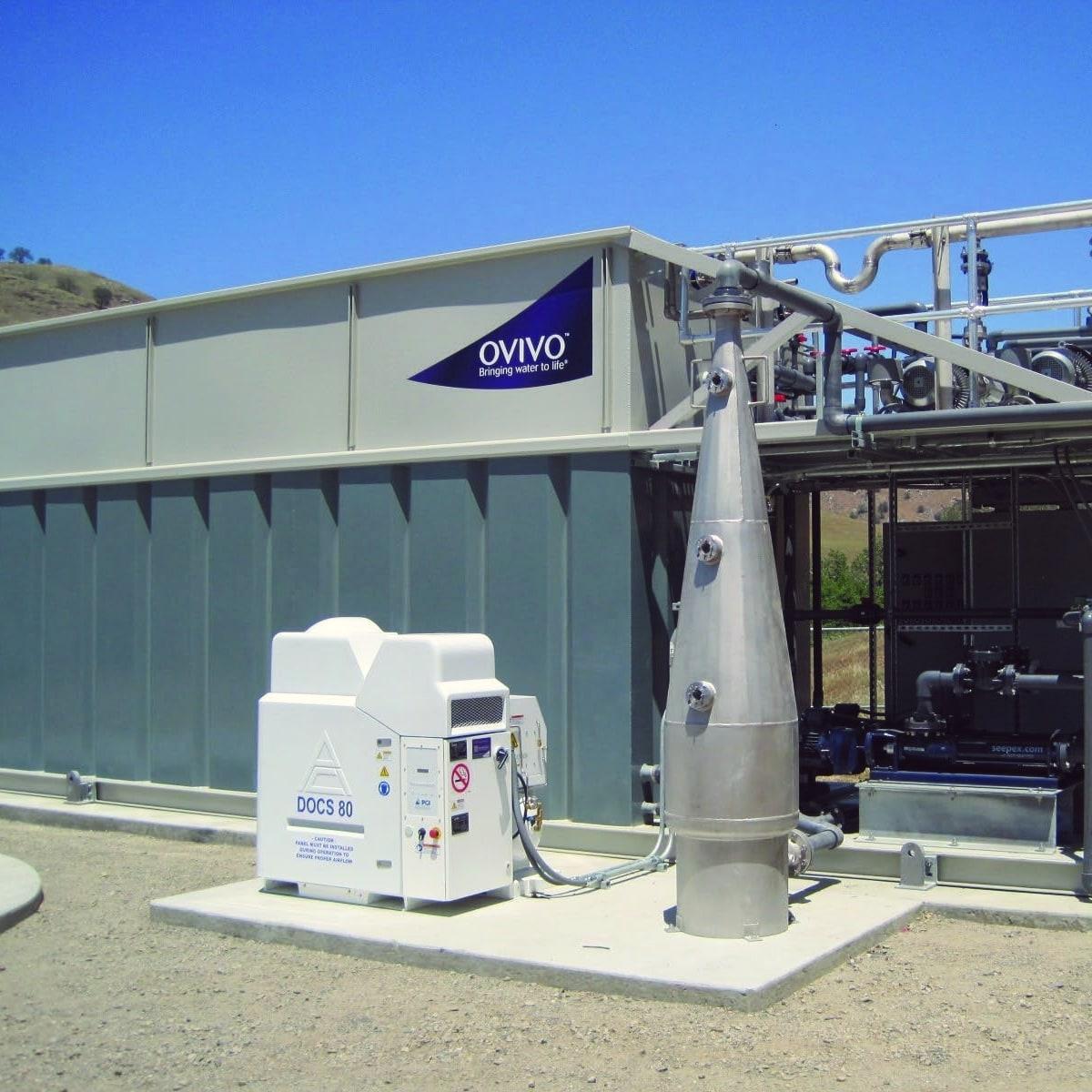
Where It Works: Wastewater Treatment
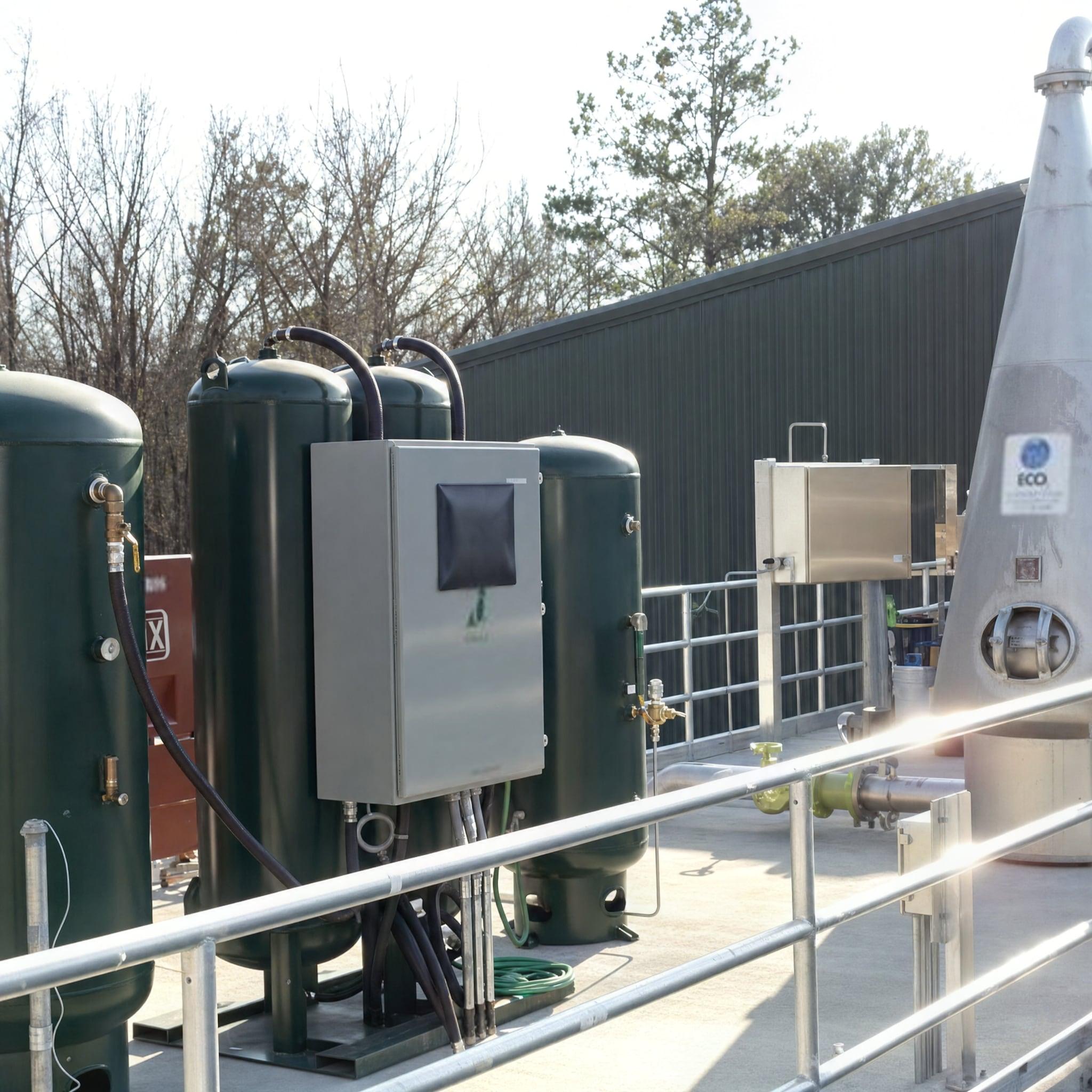
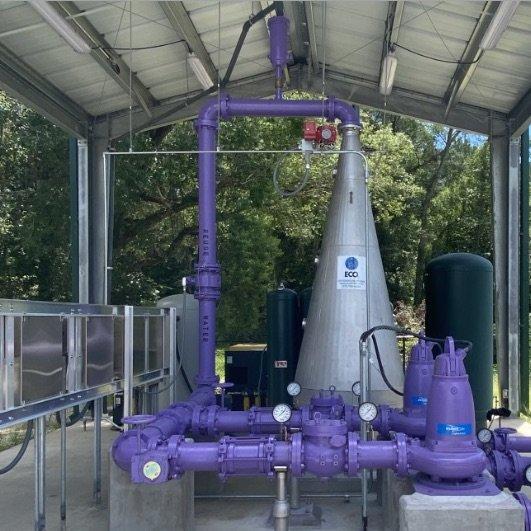
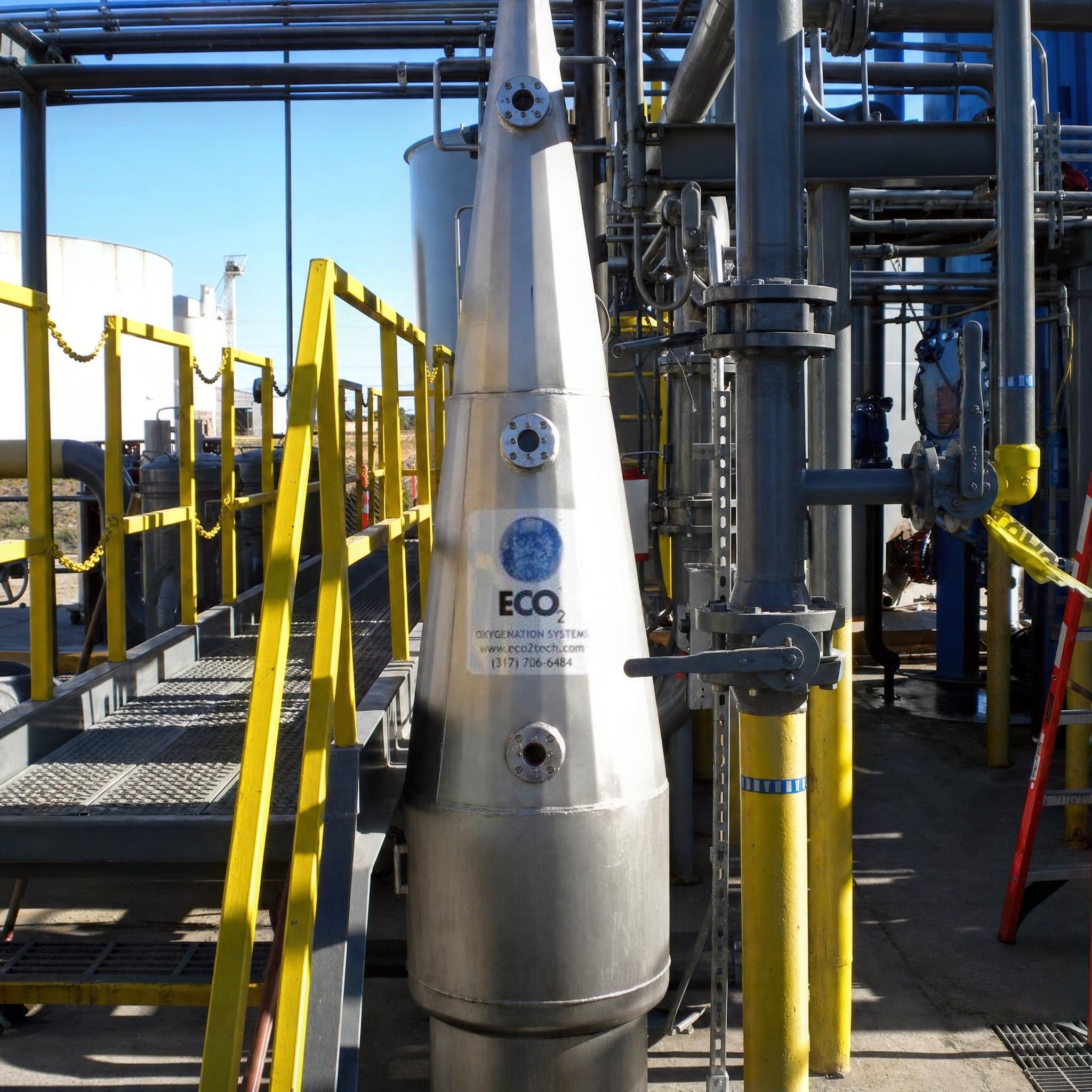
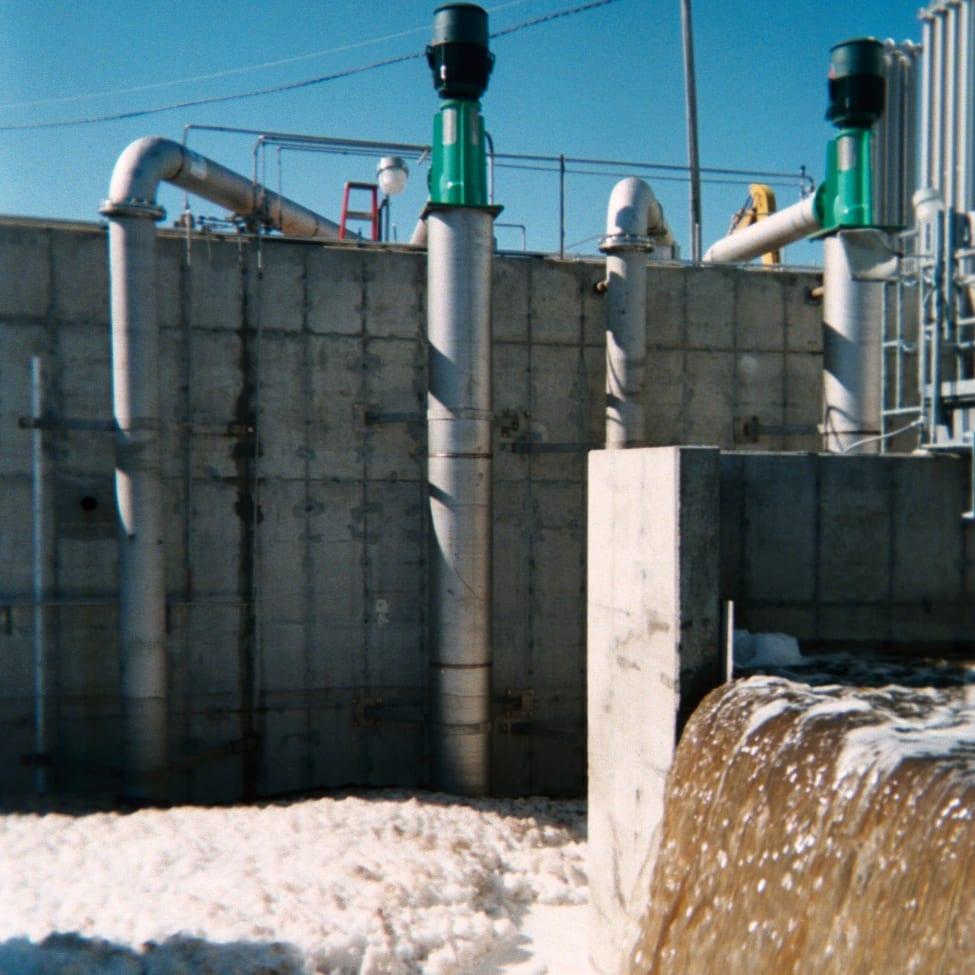
04For Engineers
Read the Papers
Questions Plant Engineers Ask
How can a plant meet an effluent dissolved oxygen limit?
With a compact system that dissolves pure oxygen into the effluent before the outfall, even where space and elevation are limited. After its system went in in 2006, Kennebunk, Maine averaged 9.2 mg/L of effluent dissolved oxygen through the hot summer months, against an 8.0 mg/L standard.
What is a net-zero ultimate BOD discharge?
A permit where the plant adds enough dissolved oxygen to its effluent to offset the oxygen demand of the BOD and ammonia it discharges, for no net impact on the receiving water. Fort Valley and Port Wentworth, Georgia met their permits this way instead of spending about $2 million on tertiary treatment.
How does dissolved oxygen help a treatment wetland?
Nitrification needs dissolved oxygen, and a surface flow wetland gets its oxygen only from the air, so it nitrifies slowly and must be large. In a peer-reviewed study of a Superoxygenated wetland in Michigan, mean ammonia nitrogen fell from 8.0 mg/L at the inlet to 0.6 mg/L at the outlet.
Can supplemental oxygen add capacity to an overloaded plant?
Yes. When a plant reaches its aeration limits, supplemental D.O. raises capacity without an expensive expansion: it handles higher loading in high-strength wastewater and improves aerobic digesters and membrane bioreactors. Dissolving the oxygen in a side stream avoids the drop in transfer that high mixed liquor solids cause.
How is dissolved oxygen used in groundwater remediation?
At an aquifer restoration site in Lathrop, California, an ECO₂ system adds dissolved oxygen upstream of a biological activated carbon process, so aerobic bacteria can break down the contaminant sulfolane.
05The Next Step
Request a Budgetary Price for Your Process
Send your site data through the contact form, or see a system installed first in the System Animation. ECO₂ returns a budgetary price. ECO₂'s engineers check the data for a technical fit, then send a system design with its estimated capital and annual operating costs, and can visit your site to confirm the data.