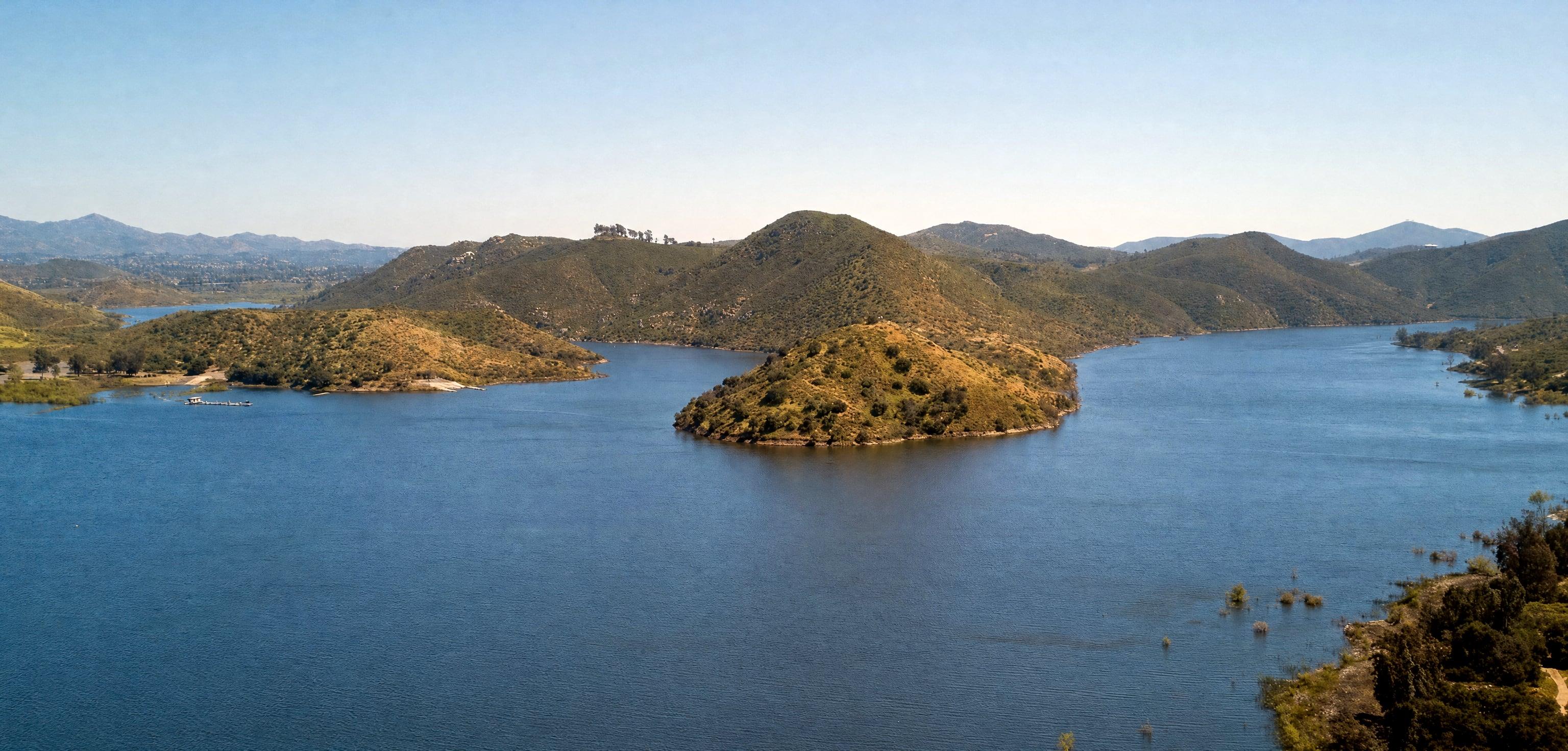
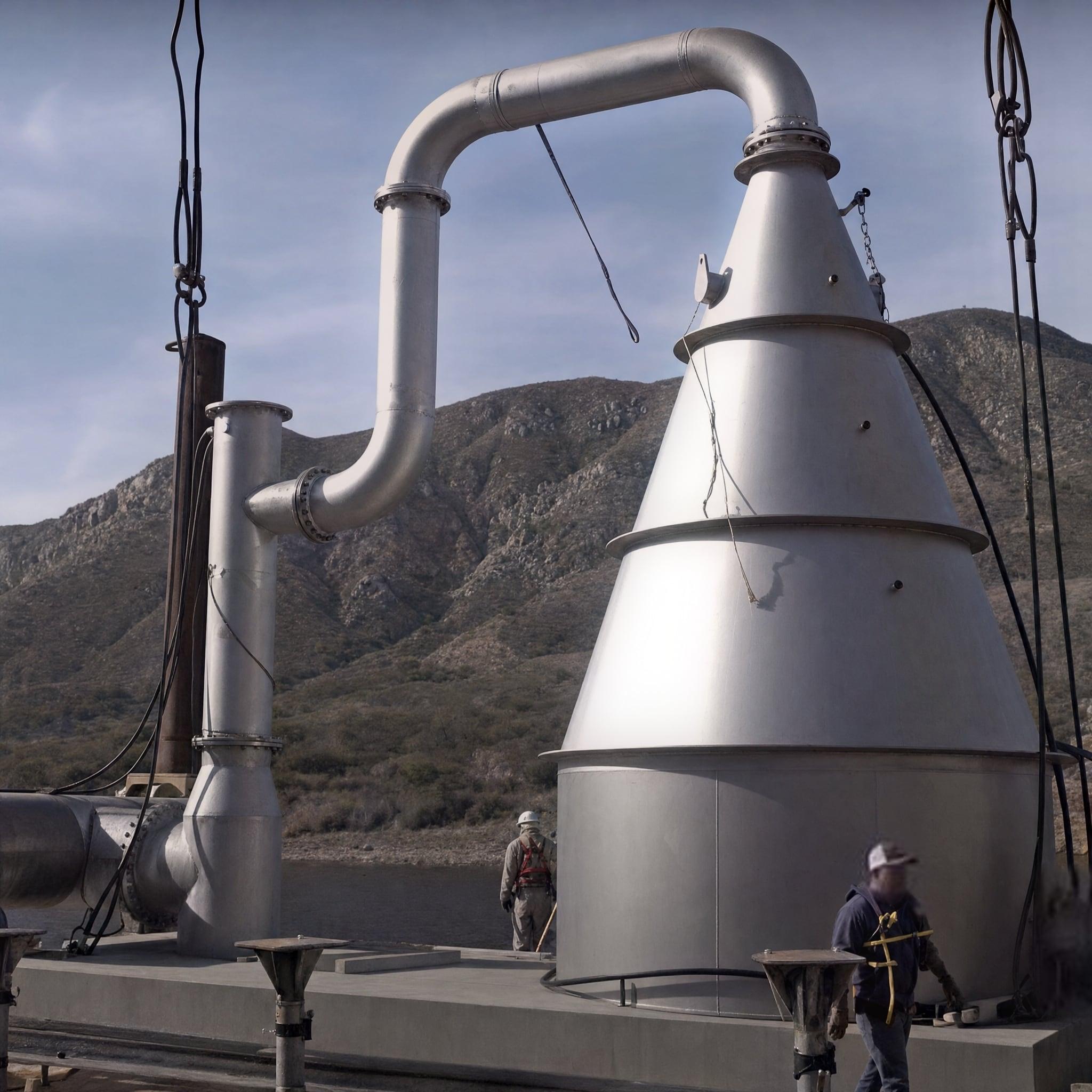
Lake Hodges
See the Project
Oxygen for water released through a dam and for the cold-water fish above and below it: why releases run low in oxygen, how fish kills start, and two ways a cone adds oxygen.
01The Problem
Low oxygen below a dam starts at the bottom of the reservoir, where anoxic water also forms hydrogen sulfide. At Camanche Reservoir in California, hypolimnetic oxygenation raised the bottom water from under 1 mg/L to about 5 mg/L. Summer hydropower returned, and the hatchery below the dam has had no fish kill in 24 years.
Why It Happens
In summer the water near a low intake is the hypolimnion: cold, cut off from the air and short of oxygen. A dam that draws from it releases water with little dissolved oxygen, and it can carry hydrogen sulfide, ammonia and metals from the sediment. Salmon in the Mokelumne River below Camanche Reservoir need at least 7 mg/L.
Before oxygenation, low oxygen in the releases had kept Camanche's hydropower plant idle from August to November. The flow bypassed the turbines through a valve that sprays the release in a huge semicircular shower and aerates it. The few seconds of exposure could not remove enough hydrogen sulfide, which needs at least 6 hours, and did nothing for ammonia, metals or turbidity.
Trout, salmon and kokanee need the cold water in summer. In a stratified reservoir, that is the layer that loses its oxygen.
Why It Happens
Salmonid guidelines prefer 5 to 7 mg/L of dissolved oxygen and avoid water under 2 mg/L. Before oxygenation at Camanche Reservoir, the lower hypolimnion held 1.4 to 2.2 mg/L, and sonar found no large fish there. They were squeezed into the warm water above.
Worse, anoxic bottom water makes hydrogen sulfide, which kills fast. The hatchery below Camanche Dam drew its water from the bottom layer. In the autumns of 1987 and 1989, about 300,000 young hatchery fish died, most likely from hydrogen sulfide.
Sources: Horne and Faisst 2022 (opens in a new tab); Horne 2019
02How It Works
Oxygenate the reservoir before the water reaches the intake, or oxygenate the release at the dam. Neither warms the cold layer.
The System in Detail
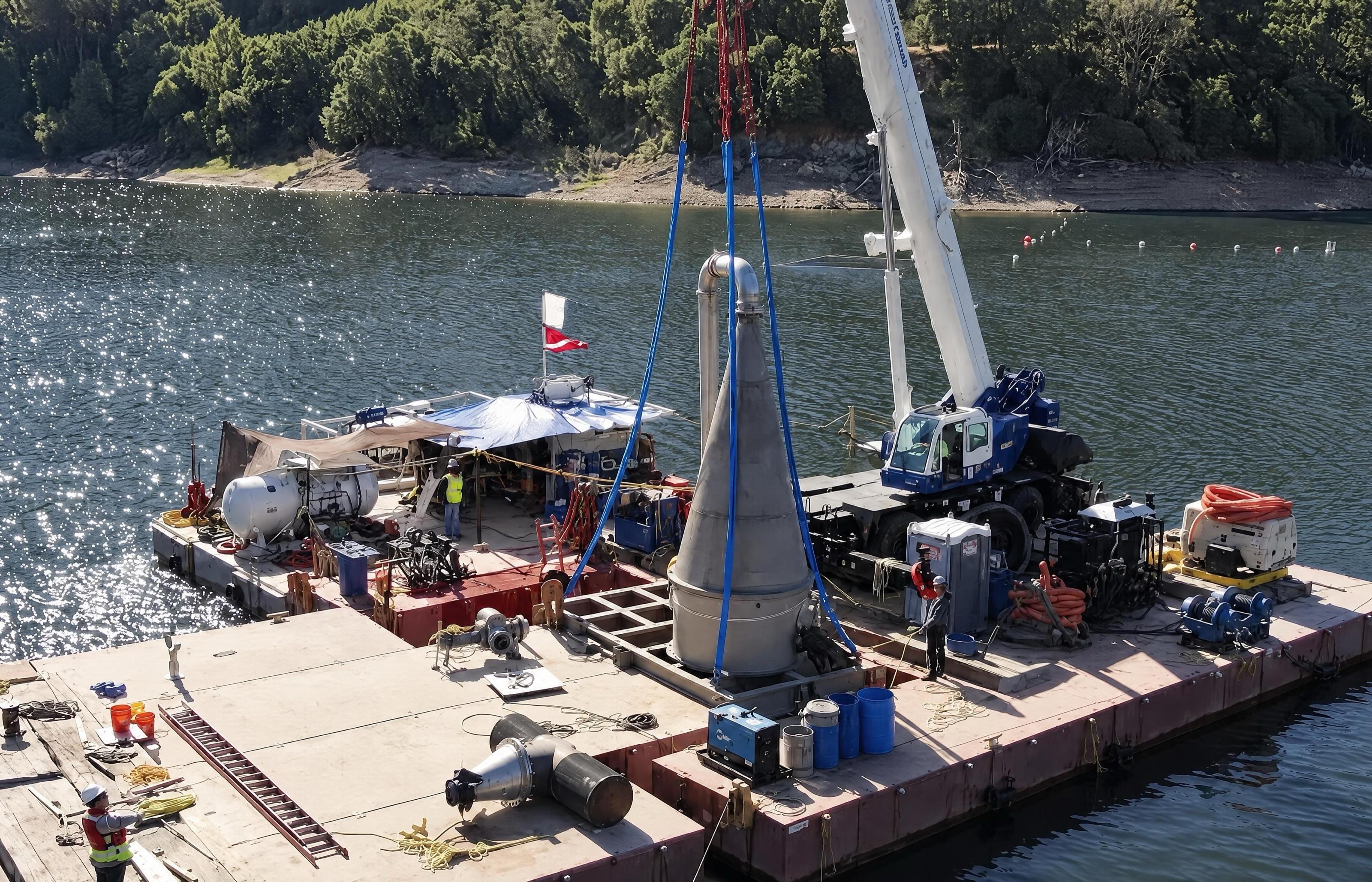
Any method that destratifies the reservoir warms the water a cold-water fishery depends on. At Camanche, mixing would have warmed summer and fall releases, against agreements for cool attraction flows for migrating salmon, and destroyed the two-story fishery: trophy bass in the warm upper water, trout and kokanee in the cool water below. Oxygenating the bottom kept both. It warms the bottom a little: 16.8 °C was projected at overturn, against 14.8 °C before.
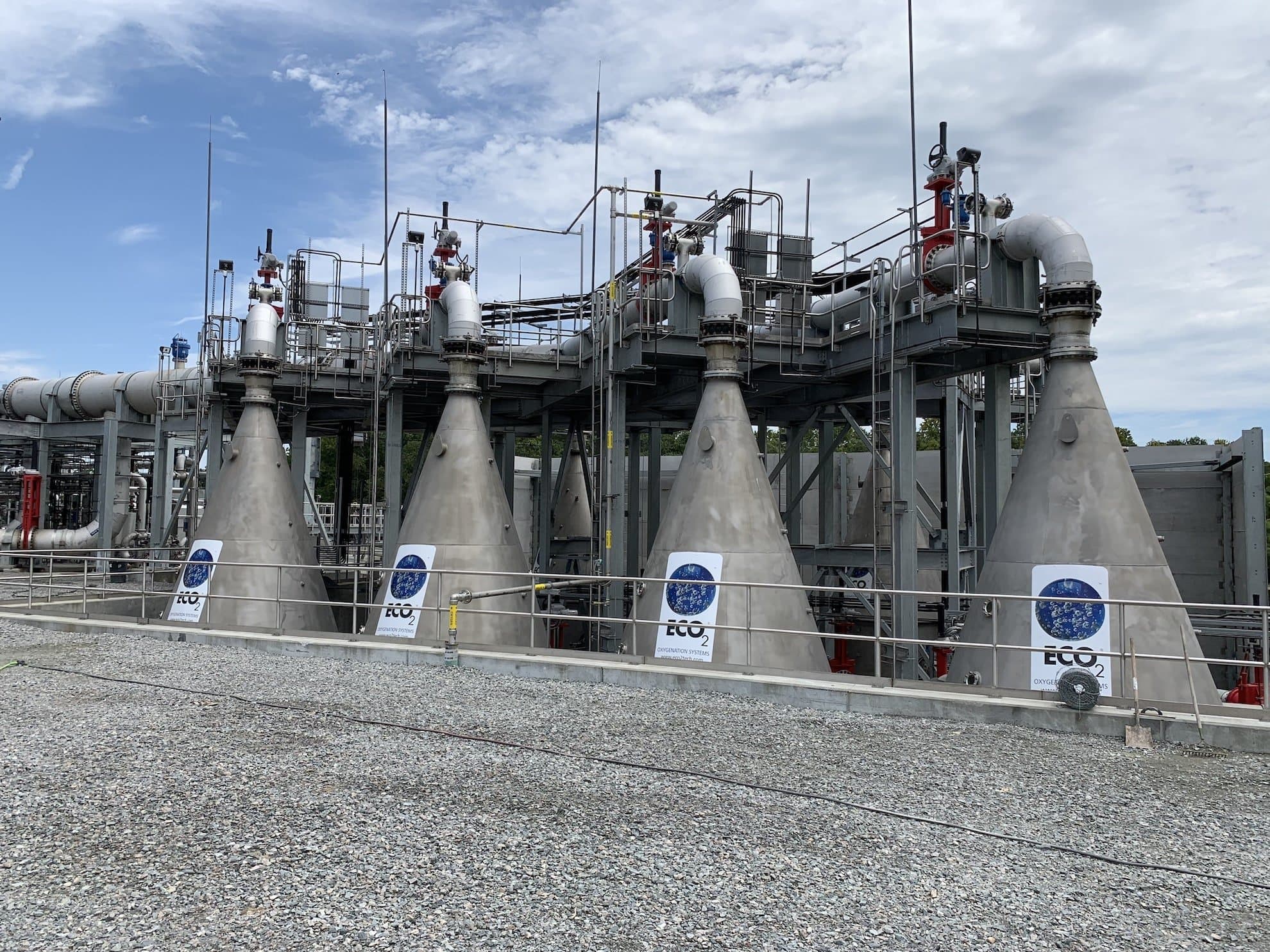
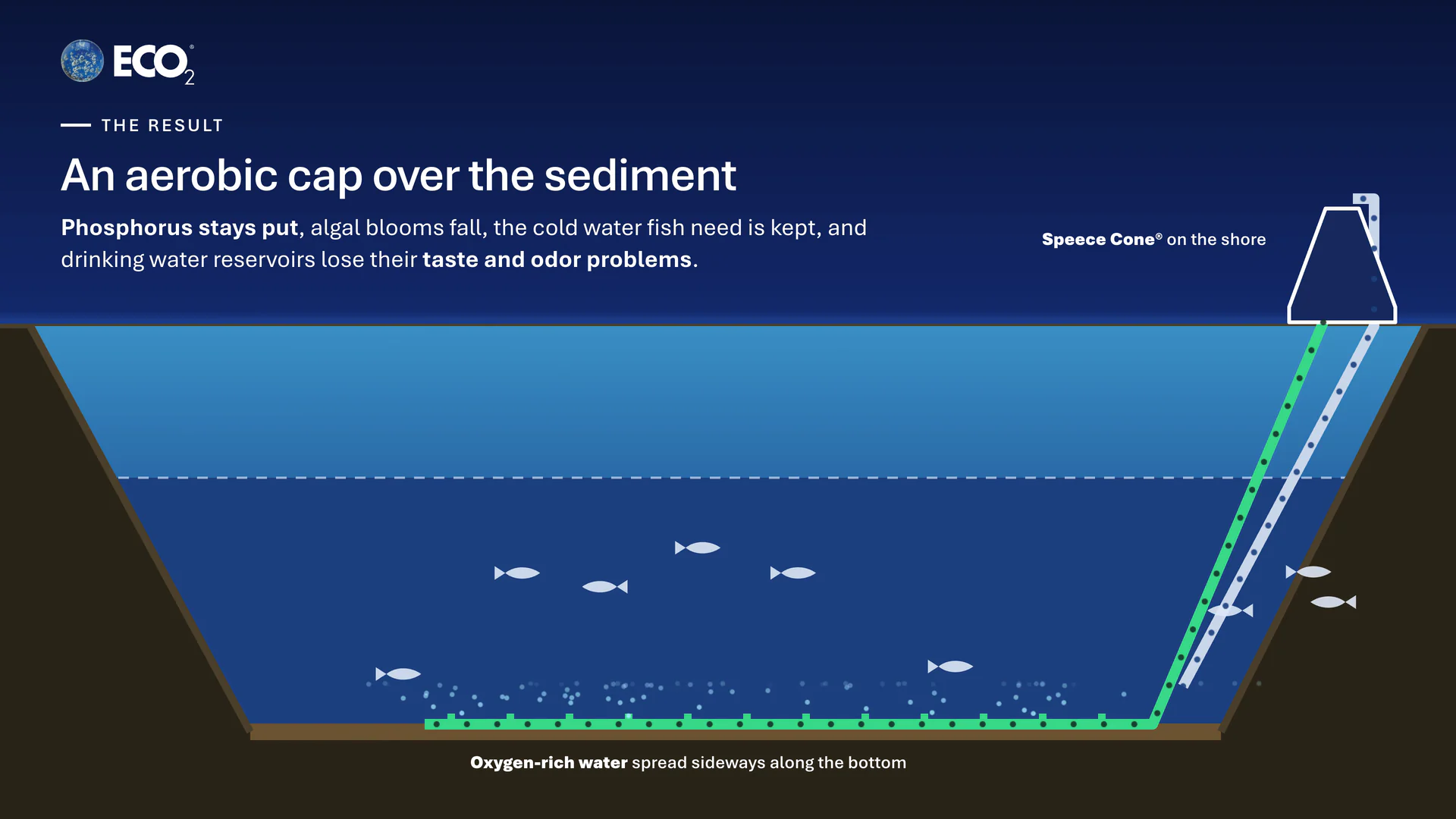
Oxygen in the reservoir treats more than oxygen: at Camanche, soluble iron in the tailwater fell from 7,800 to 200 µg/L. Oxygen at the dam works where there is head: the Logan Martin cone took 21 cubic feet per second from the pool and used the dam's own head to pressurize the cone, and tests showed 95% absorption at flows of 22 to 25 cubic feet per second.
The Full Table
Two published cases of oxygen for hydropower releasesTwo published cases of oxygen for hydropower releases
| Measure | Camanche Reservoir, CA | Logan Martin Dam, AL |
|---|---|---|
| Where the oxygen goesHorne et al. 2019ECO₂, Logan Martin case study | Into the bottom layer of the reservoir, upstream of the intake | Into water taken from the pool above the dam, discharged below it |
| How the cone is pressurizedHorne et al. 2019ECO₂, Logan Martin case study | Placed on the bottom near the dam, which doubled oxygen solubility | By the head between the pool and the tailwater |
| Oxygen leaving the coneHorne et al. 2019ECO₂, Logan Martin case study | 80 mg/L, diluted to about 8 mg/L by the manifold jets | About 50 mg/L |
| Measured resultHorne and Faisst 2022 (opens in a new tab)ECO₂, Logan Martin case study | Bottom water from under 1 mg/L to about 5 mg/L; summer hydropower restored | Over 90% oxygen absorption at design flow; 94% of saturation in about 30 seconds |
03The Proof
Dissolved oxygen in Camanche's bottom layer rose from under 1 mg/L to about 5 mg/L, and the cold layer became habitat again.
Every Result in One Table
Where the large fish were in Camanche Reservoir: share of sonar echoes by layer, before and after oxygenation began| Layer | Before | After |
|---|---|---|
| Warm surface layer (0 to 7 m)Horne and Faisst 2022 (opens in a new tab) | 69.1% | 19.1% |
| Thermocline (8 to 12 m)Horne and Faisst 2022 (opens in a new tab) | 23.6% | 8.2% |
| Upper hypolimnion (13 to 18 m)Horne and Faisst 2022 (opens in a new tab) | 7.3% | 22.7% |
| Lower hypolimnion (19 to 31 m)Horne and Faisst 2022 (opens in a new tab) | 0% | 50% |
The same total number of echoes in both surveys. The authors found the change statistically significant.
3,548 to 7,660a year
Source: Horne 2019
$6.5 milliona year
8tons/day
95% or better
Source: Oxygen Transfer Efficiency Test Report Summary for Savannah Harbor Expansion (2019), pages 1 and 2
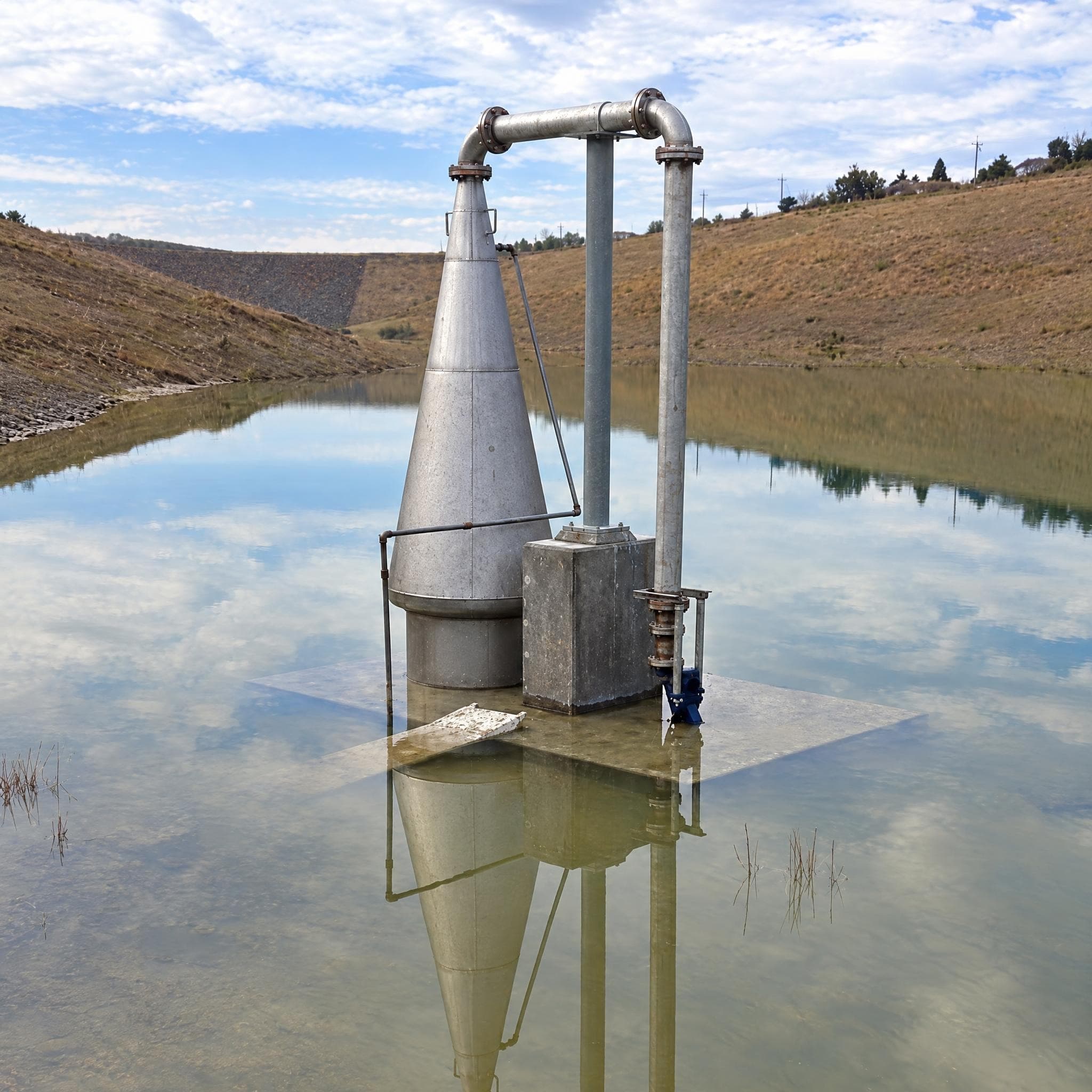
Turbine venting, aerating weirs and valves that spray the release add air as the water leaves, but cannot clear hydrogen sulfide, which needs at least 6 hours. Destratification raises summer bottom-water temperatures, which harms cold-water fish in the reservoir and downstream. A rising bubble plume entrains warmer water and settles at mid-depth; a bubble-free plume stays dense and cool and hugs the bottom, where hydrogen sulfide forms. A downflow contact oxygenator works in the reservoir or at the dam, and dissolves the oxygen before the water leaves the cone.
Sources: Horne and Faisst 2022 (opens in a new tab); Beutel 2002; Horne et al. 2019; Horne, triple threat slides; ECO₂, oxygen supplementation strategy
04For Engineers
Salmonid guidelines cited by Horne and Faisst prefer 5 to 7 mg/L and avoid water under 2 mg/L. A release's limit depends on the river and the license: below Camanche Reservoir, salmon in the Mokelumne River need at least 7 mg/L, and low oxygen in the releases had kept the hydropower plant idle from August to November.
Hydrogen sulfide clears too slowly. At the Camanche hatchery, aeration raised dissolved oxygen to 8.6 to 9.2 mg/L, but tests showed hydrogen sulfide needed 6 to 12 hours of aeration to clear, and the water reached the fish in under 5 minutes.
Yes. At Logan Martin Dam, the cone at the base of the dam took 21 cubic feet per second from the pool and was pressurized by the head between the pool and the tailwater. The discharge carried about 50 mg/L, with over 90% oxygen absorption at design flow.
Within weeks in the reservoir. About two months after oxygenation began at Camanche, sonar found half of the large fish in the deepest layer, which had held none the June before. Higher adult salmon returns followed about 3 years later.
Yes, if it stays stratified. Camanche kept its two-story fishery, with bass in the warm upper water and trout and kokanee in the cool water below, by oxygenating the bottom instead of mixing the reservoir.
At Camanche it does. The hydropower plant, back in summer service, generates enough electricity to fully offset the cost of running the cone's water pump.
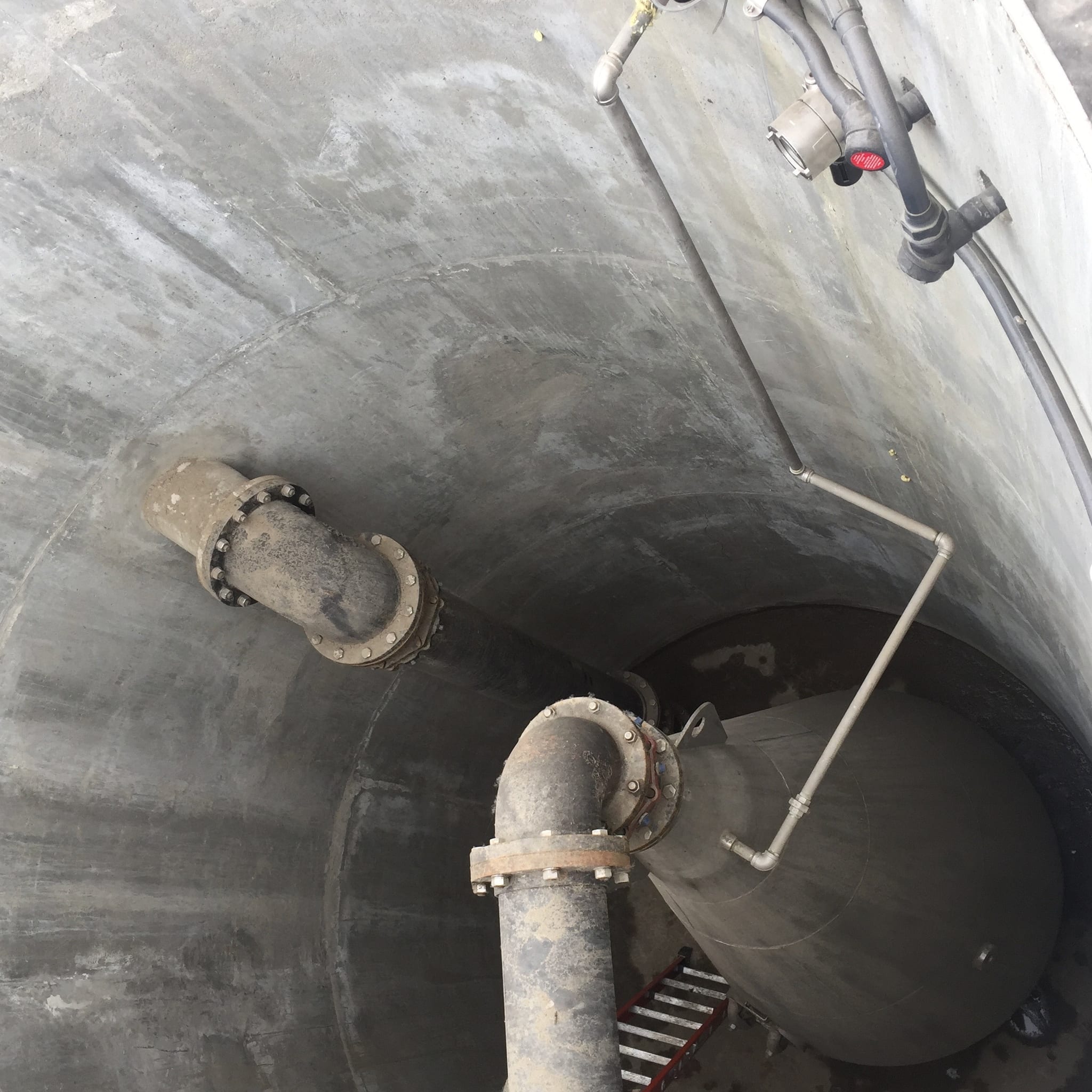
Manganese, iron, taste and odor that start at the reservoir's bottom.
See How It Is Solved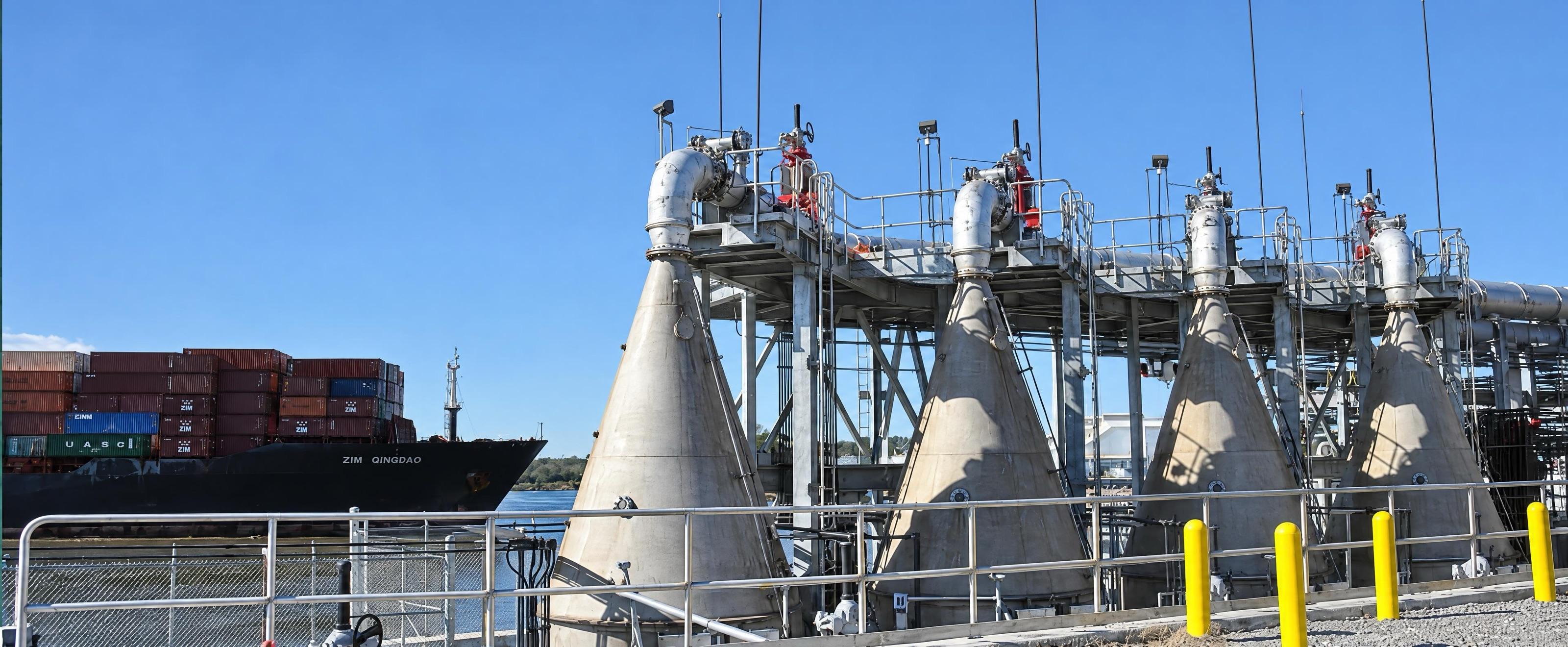
Oxygen added from the bank to a harbor, a tidal canal or a city's canals.
See How It Is Solved
Stop internal phosphorus loading and the blooms it feeds.
See How It Is Solved05The Next Step
The release flow, the dissolved oxygen you must meet, and your temperature and dissolved oxygen profiles are enough for a first look at the oxygen demand and the system. ECO₂'s engineers check the data for a technical fit, then send a system design with its estimated capital and annual operating costs, and can visit your site to confirm the data.