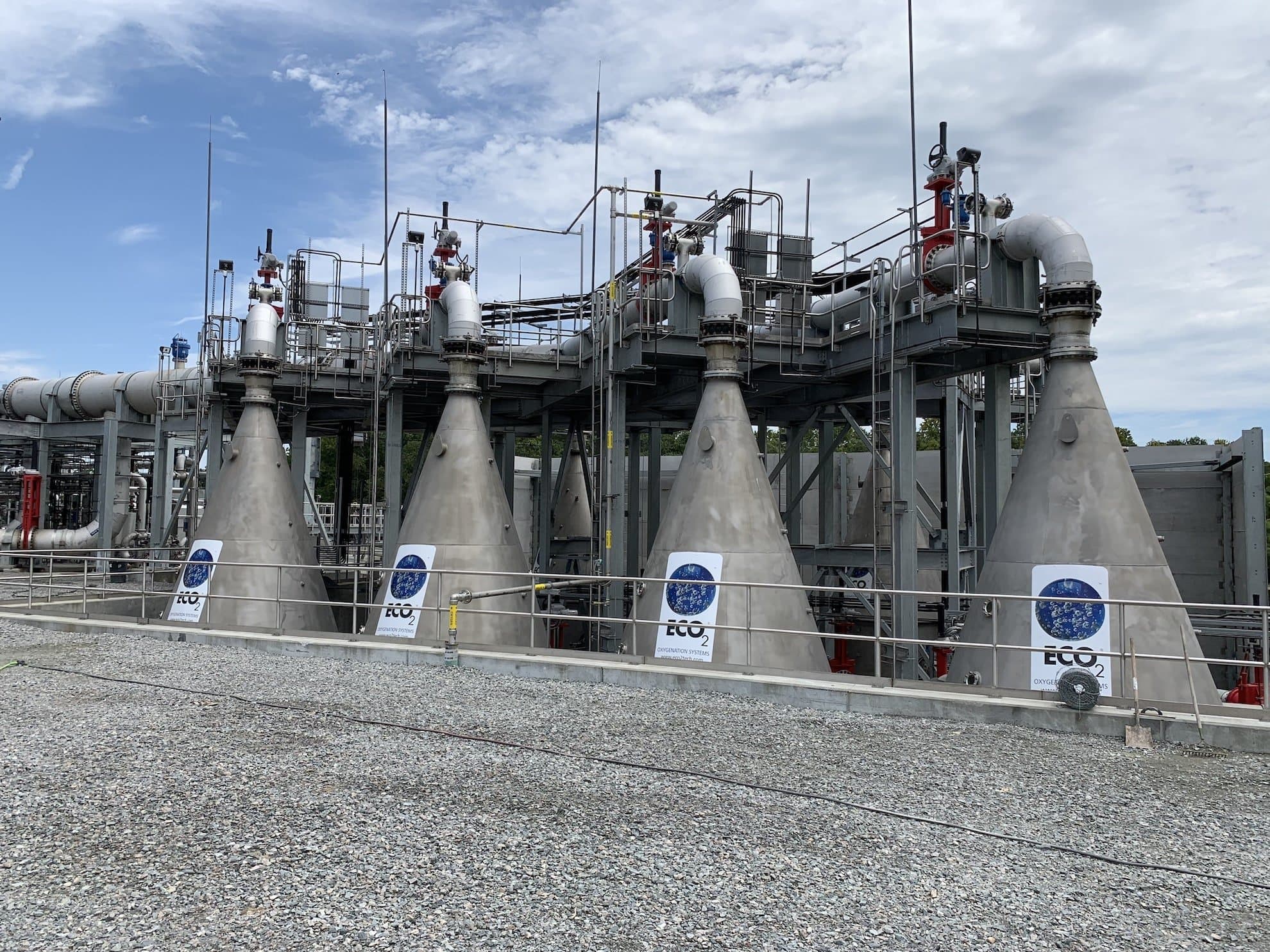
Superoxygenation - Managing Dissolved Oxygen in Water Ways
Where dissolving oxygen in a side stream helps a waterway, from a polluted Brooklyn canal to harbors and reservoirs, explained for New York's water professionals.
Details
Summary
An article in Clear Waters, the New York Water Environment Association's magazine, by David Clidence of ECO Oxygen Technologies, on using Superoxygenation to manage dissolved oxygen in rivers, canals, harbors and reservoirs. Low oxygen, driven by warmer water, heavy use and nutrient and organic loading, harms fish and releases hydrogen sulfide, mercury, phosphorus, iron and manganese. A small side stream can be oxygenated and blended back rather than treating the whole water body. Clidence then reviews uses. In Brooklyn's Gowanus Canal, New York City and Dvirka and Bartilucci installed a system that withdraws, oxygenates and returns canal water. For TMDL compliance, a Snake River study found direct oxygenation would cost only 3 percent of cutting nonpoint phosphorus. Plants can add oxygen equal to the effluent's ultimate BOD, and he estimates that adding 30 mg/L to New York City's discharges to Long Island Sound would supply 250,000 pounds of oxygen a day. Savannah Harbor piloted the technology to offset deepening, Denver's Marston Reservoir uses it for drinking water, and New York's stratified reservoirs could avoid seasonal shutdowns while staying stratified.
Key Figures
90 to 95percent
Oxygen transfer efficiency of the Speece Cone® Source: PDF page 2 (opens in a new tab)
2,400meters
Length of the Gowanus Canal, 30 m wide Source: PDF page 3 (opens in a new tab)
3percent
Cost of direct oxygenation of the Snake River compared with cutting nonpoint phosphorus Source: PDF page 3 (opens in a new tab)
Questions
Why does low dissolved oxygen matter?
It harms fish and allows hydrogen sulfide production, mercury methylation and release of phosphorus, iron and manganese from sediments. (PDF page 2) (opens in a new tab)
Where has it been used in New York?
In Brooklyn's Gowanus Canal, where canal water is withdrawn, oxygenated and returned through a diffuser as part of the city's CSO long-term control plan. (PDF page 3) (opens in a new tab)
How can treatment plants use it?
By adding dissolved oxygen equal to the effluent's ultimate BOD, so the discharge takes no oxygen from the receiving water and tertiary treatment may be avoided. (PDF page 3) (opens in a new tab)
The Project
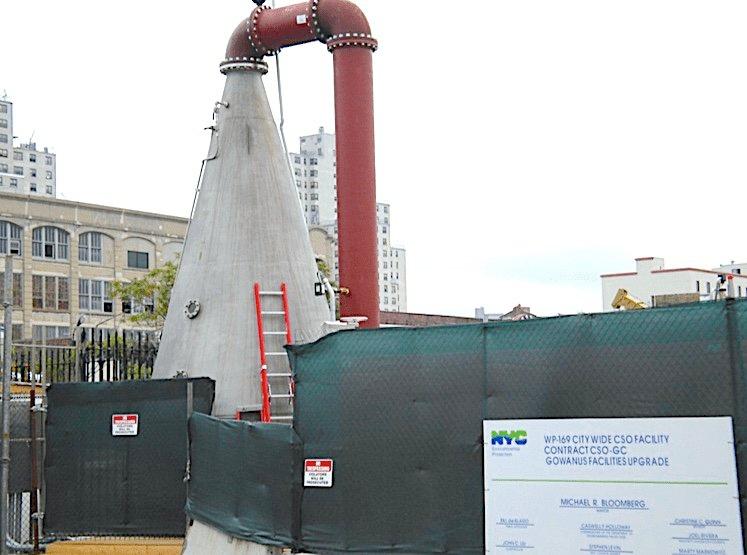
Gowanus Canal Remediation
In Full
More Key Figures
One more, each with what it measures and its PDF page.
From the PDF
| Figure | What It Measures |
|---|---|
| 250,000 lbs/day | Oxygen from adding 30 mg/L to New York City's discharges to Long Island Sound (PDF page 3 (opens in a new tab)) |
How to Cite
One line to paste into a report.
David Clidence. Superoxygenation - Managing Dissolved Oxygen in Water Ways. CleanWaters by NYWEA, 2011. Project engineer: Dvirka & Bartilucci Consulting Engineers. Eco Oxygen Technologies Technical Library. https://eco2tech.com/technical-library/superoxygenation-managing-dissolved-oxygen-in-water-ways/
https://eco2tech.com/technical-library/superoxygenation-managing-dissolved-oxygen-in-water-ways/
The Next Step
Ask an ECO₂ Engineer
Questions about this published article, or about your own water? An application engineer answers, with the figures.