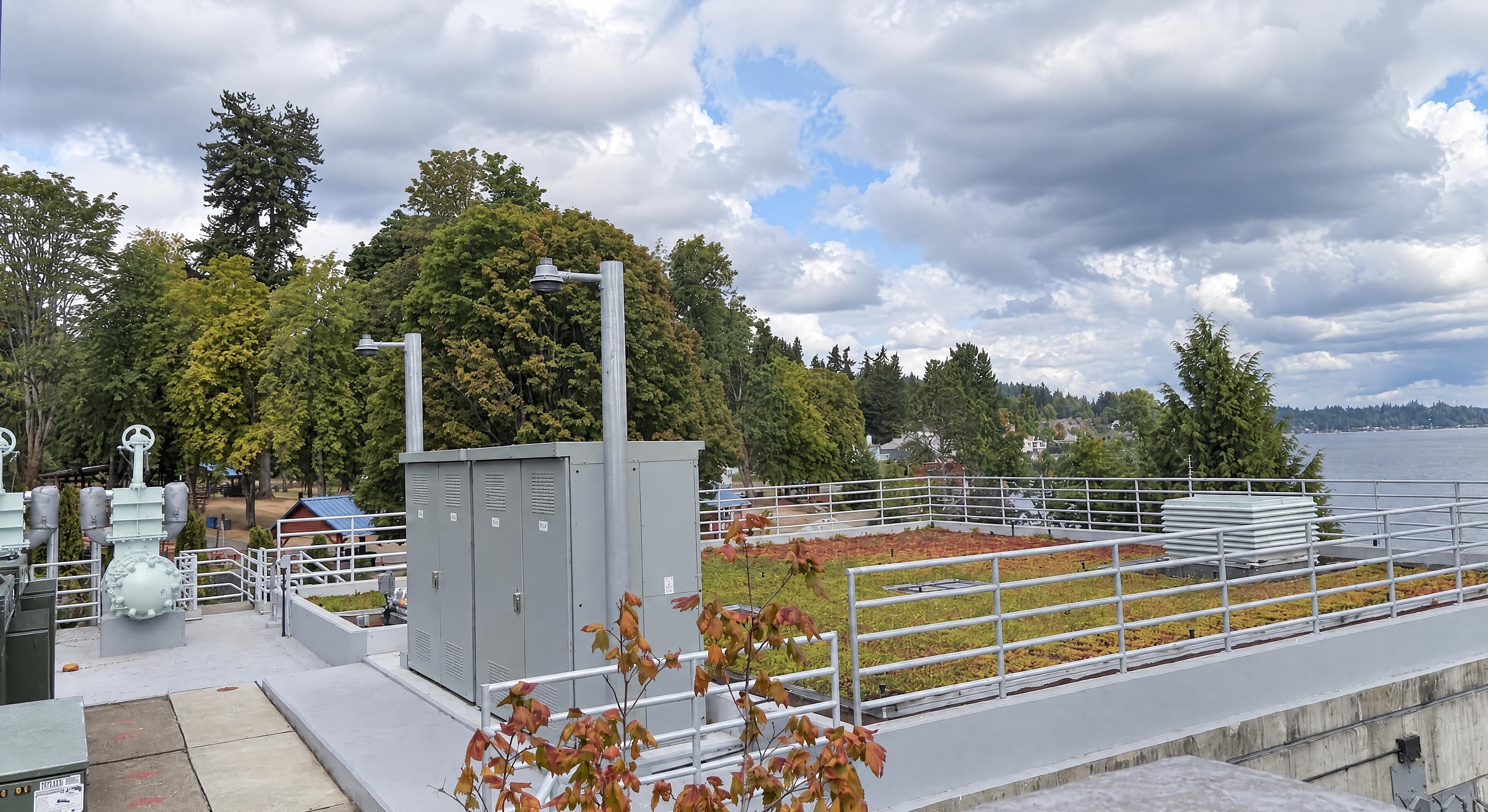
Milford, CT Force Main Odor and Corrosion Protection
ECO₂'s case study of Milford, Connecticut, where H₂S from the Gulf Pond force main damaged the interceptor, and AECOM chose Superoxygenation to stop it.
Details
Summary
Milford, CT had years of odor complaints and sewer damage traced to the Gulf Pond force main, which carries an average 3 MGD about 13,200 ft to a large interceptor. With H₂S over 900 ppm, every manhole on the interceptor was badly deteriorated and the ductile iron pipe had perforated. After evaluating several options, AECOM chose ECO₂ Superoxygenation for the best results at the lowest total life-cycle cost.
Key Figures
900ppm
H₂S in the Gulf Pond force main system before treatment (over) Source: PDF page 1 (opens in a new tab)
3MGD
Average flow carried by the Gulf Pond force main Source: PDF page 1 (opens in a new tab)
13,200ft
Length of the force main to the interceptor (about) Source: PDF page 1 (opens in a new tab)
Questions
What damage did H₂S cause in Milford's sewer?
With H₂S over 900 ppm, every manhole on the interceptor was badly deteriorated and the ductile iron sewer had perforations along the sides of the pipe, and the city had years of odor complaints. (PDF page 1) (opens in a new tab)
Where did the problem start?
At the Gulf Pond Pump Station force main, which carries an average 3 MGD about 13,200 ft to a large diameter interceptor. (PDF page 1) (opens in a new tab)
Why was Superoxygenation chosen?
The cost of replacing pipe and manholes led the city to hire AECOM to stop H₂S forming in the force main. After evaluating several options, AECOM found ECO₂ Superoxygenation gave the best results with the lowest total life-cycle cost. (PDF page 2) (opens in a new tab)
The Project
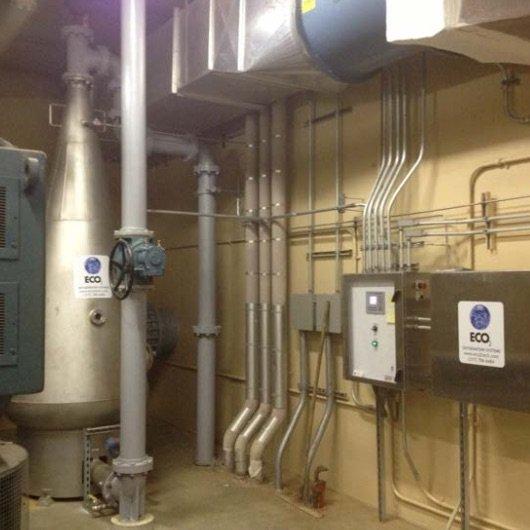
Gulf Pond Pump Station
In Full
Full Text as Published
The text as its authors wrote it.
Technology: Pure Dissolved Oxygen for H2S Prevention. Application: Sewer Force Main. Location: Milford, Connecticut. Consultant: AECOM. Objectives: Prevent Odors, Protect Infrastructure.
Milford, CT is located about 70 miles from New York City, and lies along the beautiful coast of the Long Island Sound. The city has a population of just over 50,000 and contains an extensive sewer system that had been plagued for years by odor complaints and damage due to hydrogen sulfide (H2S).
Silver Sands State Park in Milford, CT.
The main cause of the City's odor and corrosion problems was isolated to a force main system starting at the Gulf Pond Pump Station, which carries an average 3 MGD about 13,200 ft to a large diameter interceptor. With H2S levels over 900 ppm, all manholes on the interceptor were badly deteriorated and the ductile iron sewer had developed perforations along the sides of the pipe.
Sewer Pipe with H2S Corrosion.
The excessive cost of replacing piping and manholes on the interceptor was one of the main drivers to hire the local office of AECOM to develop an approach for eliminating the generation of H2S in the Gulf Pond Force Main.
After an evaluation of several options for H2S elimination, AECOM determined that SuperOxygenation by ECO₂ would provide the best results with the lowest total life-cycle cost.
Photos: Gulf Pond Pump Station Building; Bulk Oxygen Storage Tank. Chart: H2S from June 18 to June 25, marking when the ECO₂ system was installed.
How to Cite
One line to paste into a report.
Milford, CT Force Main Odor and Corrosion Protection. ECO₂, 2016. Project engineer: AECOM. Eco Oxygen Technologies Technical Library. https://eco2tech.com/technical-library/milford-ct-force-main-odor-and-corrosion-protection/
https://eco2tech.com/technical-library/milford-ct-force-main-odor-and-corrosion-protection/
The Next Step
Ask an ECO₂ Engineer
Questions about this case study, or about your own water? An application engineer answers, with the figures.