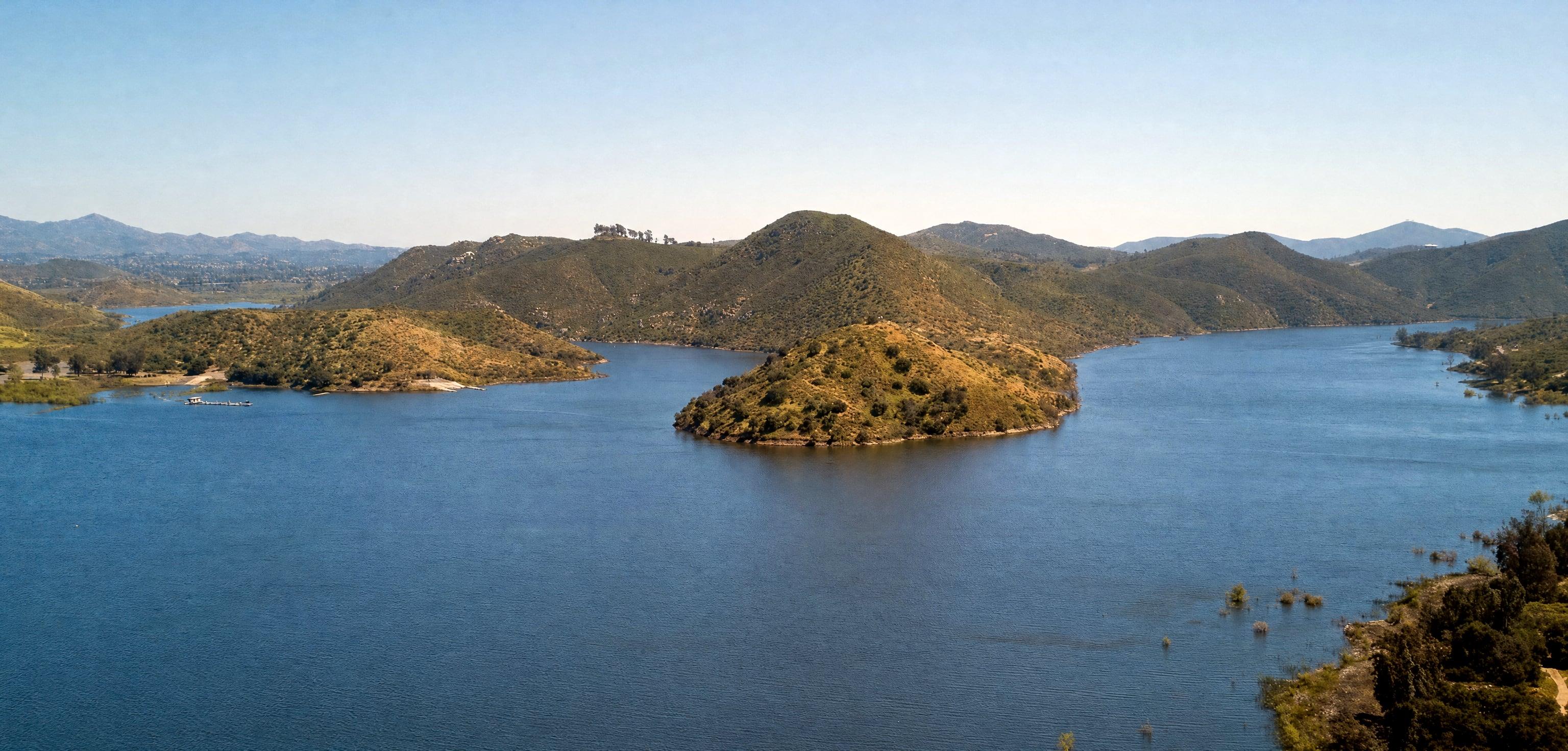
Lake Hodges Oxygenation System
A San Diego County Water Authority video in which the city's project manager explains the Lake Hodges oxygenation project and the water quality problems it addresses.
Details
Summary
Why San Diego Is Oxygenating Hodges
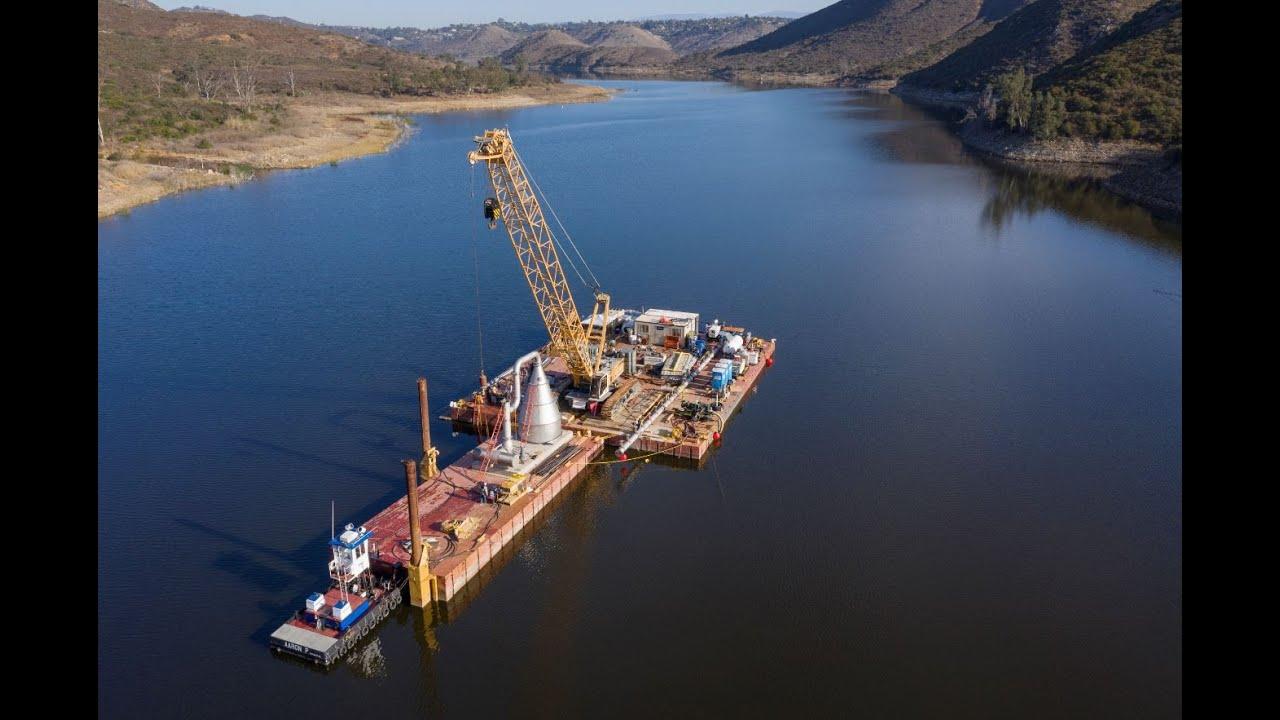
In this short video from the San Diego County Water Authority, the City of San Diego's project manager explains the Hodges oxygenation project: a Speece Cone® that sends highly oxygenated water deep into the reservoir to overcome long-standing water quality problems, protect drinking water supply and reduce mercury in fish (0:37).
Questions
Why did San Diego add oxygen to Hodges Reservoir?
To overcome long-standing water quality problems: nutrient loading that causes excessive algae blooms in a reservoir used for drinking water. Reducing mercury in fish became a further benefit (1:26).
What is the Hodges Reservoir oxygenation system made of?
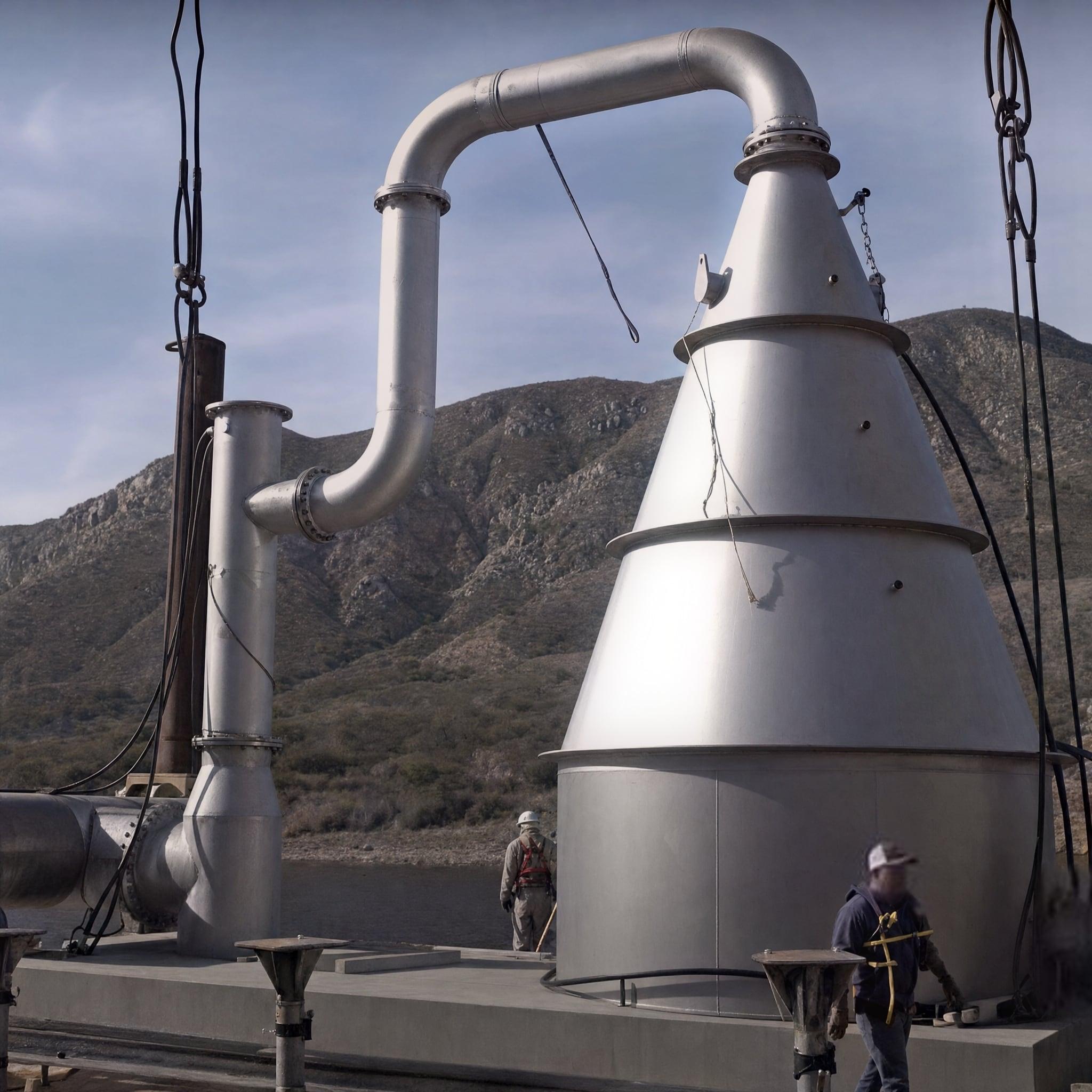
A stainless steel cone that diffuses oxygen-rich water into the bottom of the reservoir, underwater pipes, and an on-shore facility that stores the oxygen and electrical power, according to the video's description (video description).
Why was a Speece Cone chosen for Lake Hodges?
A planning study found oxygenation with a Speece Cone the most cost-effective way to address the reservoir's water quality problems (0:28).
How was the Lake Hodges oxygenation project funded?
In part by a state grant and in part with money from the City of San Diego (0:57).
The Project
Lake Hodges
In Full
The Full Write-Up
The problem, the work, the results and who did it.
A Drinking Water Reservoir with Algae & Old Water Quality Problems
Hodges Reservoir has had water quality problems for a long time (0:49). Nutrient loading causes excessive algae blooms, and Hodges and the connected Olivenhain Reservoir are primarily drinking water supply for the San Diego region (1:11).
The reservoir's fish carry a second problem. Mercury accumulates in them, which can be harmful to the people and wildlife that eat them (1:30).
A Speece Cone, Chosen by a Planning Study
The project came out of a planning study done about five years before the video, which found oxygenation with a Speece Cone the most cost-effective way to address the water quality problems in Hodges (0:28). The speaker calls it a fairly unique method: at the time there were only a few in the world, one in Northern California and another in a reservoir in Colorado (0:17).
The idea is to put a lot of highly oxygenated water deep into the reservoir, at the bottom (0:41). The video's description lists the parts: a stainless steel cone that diffuses oxygen-rich water into the bottom of the reservoir, underwater pipes, and an on-shore facility that stores the oxygen and the electrical power (video description).
What the City Expects from It
The video was made while the cone was being built, so it gives expected benefits, not measurements. Better water quality in Hodges and Olivenhain, by addressing the nutrient loading behind the algae blooms, is the main one (1:16).
The second came as a surprise. Reducing the accumulation of mercury in fish was, in the speaker's words, an ancillary benefit not anticipated when the project started (1:26).
The City of San Diego, with the County Water Authority
Hodges Reservoir is operated by the City of San Diego along with the San Diego County Water Authority, which published the video. The project was funded in part by a state grant and in part with money from the City (0:57).
The speaker is not named in the video. ECO₂'s talk on Lake Hodges at the North American Lake Management Society conference, which plays this clip, introduces him as Jeff Pasek of the City of San Diego.
Why It Matters for a Drinking Water Reservoir
If nutrients feed algae in a reservoir that supplies drinking water, this is one utility's reasoning in under two minutes: a planning study, a choice of oxygenation on cost, and benefits for the drinking water and the fish.
The engineering is in ECO₂'s conference talk on the same project, with a transcript, and in the Lake Hodges case study.
Written up from the video. Every figure is as the video's speakers give it or its YouTube description prints it, with the moment it comes from; the speakers' own words appear only in quotation marks.
How to Cite
One line to paste into a report.
San Diego County Water Authority. Lake Hodges Oxygenation System. San Diego County Water Authority, December 2019. Project engineer: Brown and Caldwell. Eco Oxygen Technologies Technical Library. https://eco2tech.com/technical-library/lake-hodges-oxygenation-system/
https://eco2tech.com/technical-library/lake-hodges-oxygenation-system/
The Next Step
Ask an ECO₂ Engineer
Questions about this video, or about your own water? An application engineer answers, with the figures.