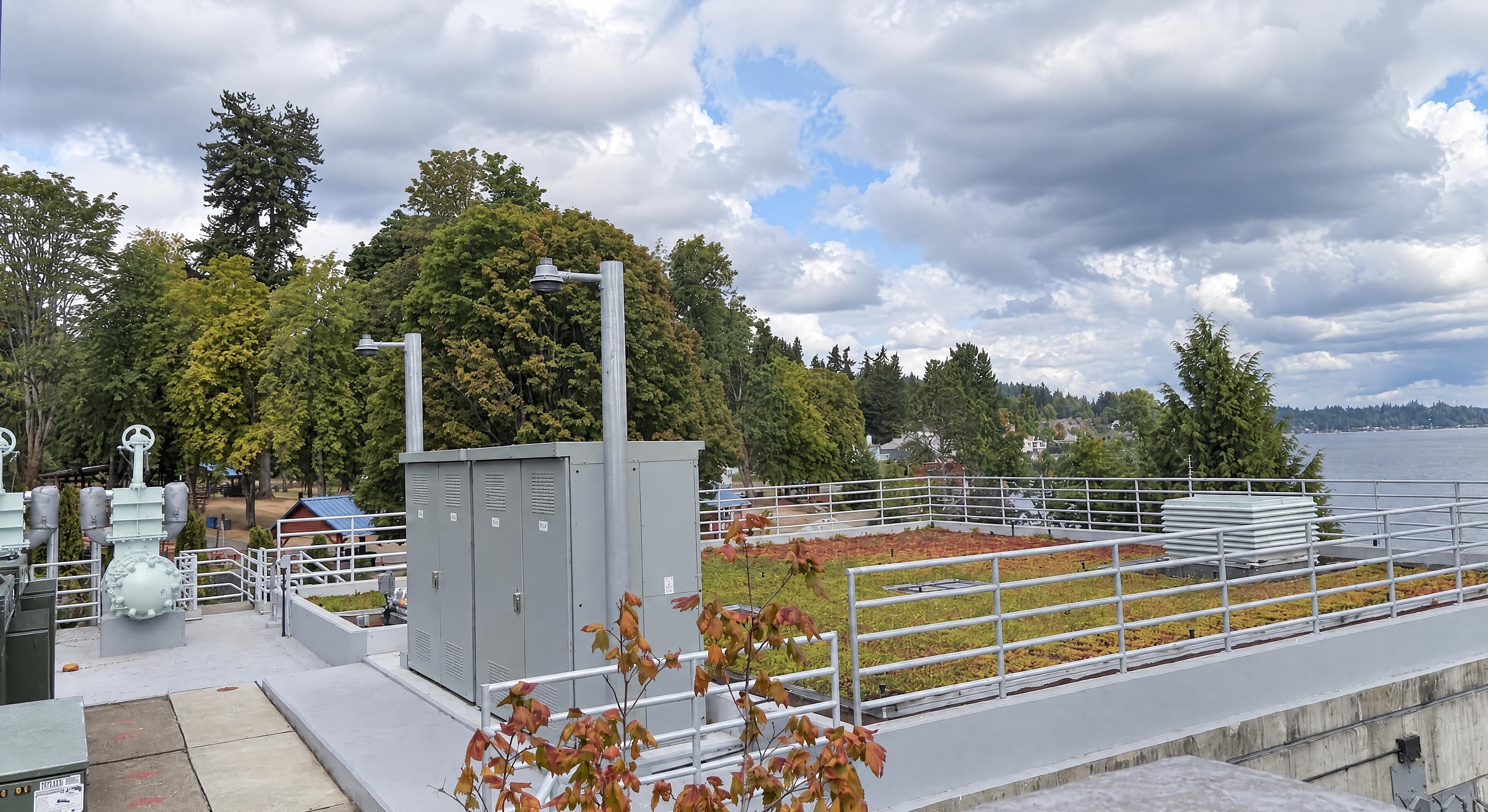
Elimination of Odor and Hydrogen Sulfide Gas by Superoxygenation of the Bluebird Force Main in Laguna Beach, California
Laguna Beach's Bluebird force main, sized for growth that never came, held sewage long enough to make H₂S, and years of chemical dosing had not solved the odor at its vaults.
Details
Summary
This 2008 WEF odors conference paper reports how Laguna Beach, California stopped hydrogen sulfide odor from the Bluebird force main by dissolving pure oxygen into the raw wastewater with an ECO₂ Speece Cone®.
Key Figures
60mg/L
Dissolved oxygen needed to keep the force main aerobic over its longest retention time of 6 hours Source: PDF page 6 (opens in a new tab)
1,000gpm
Side stream of raw, unscreened wastewater pumped through the cone Source: PDF page 7 (opens in a new tab)
3.6years
Payback of capital and operating cost against the chemical treatment used before Source: PDF page 6 (opens in a new tab)
Questions
How was the oxygen demand of the Bluebird force main calculated?
The longest hydraulic retention time, 6 hours, was multiplied by a theoretical oxygen uptake rate of 10 mg/L/hr, so 60 mg/L had to be dissolved to keep the whole force main aerobic. (PDF page 6) (opens in a new tab)
What is the payback of Superoxygenation compared with chemical treatment?
The paper reports a 3.6-year payback on capital and annual operating cost against the chemical treatment the city used before. (PDF page 6) (opens in a new tab)
How quickly is existing sulfide removed once oxygen is added?
The paper says H₂S already in the wastewater is preferentially oxidized within 5 to 20 minutes after oxic conditions are established. (PDF page 5) (opens in a new tab)
The Projects
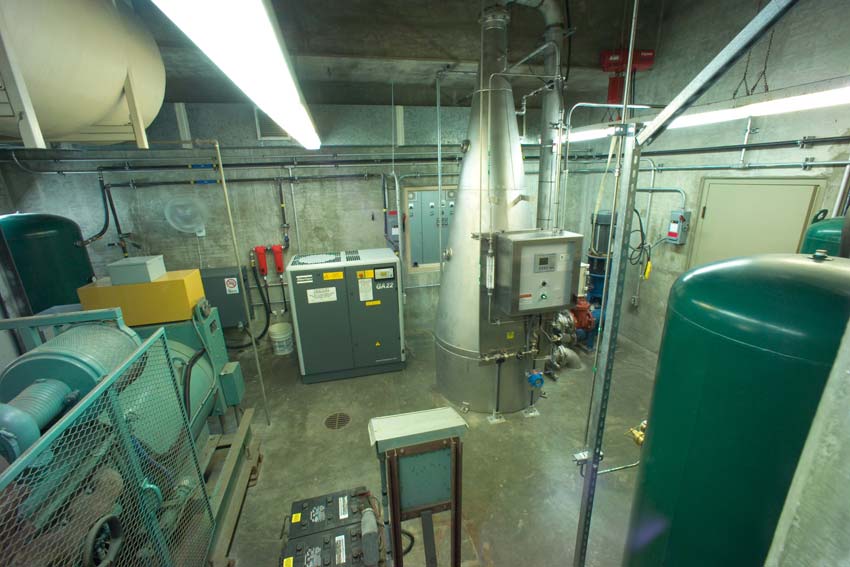
Bluebird Lift Station
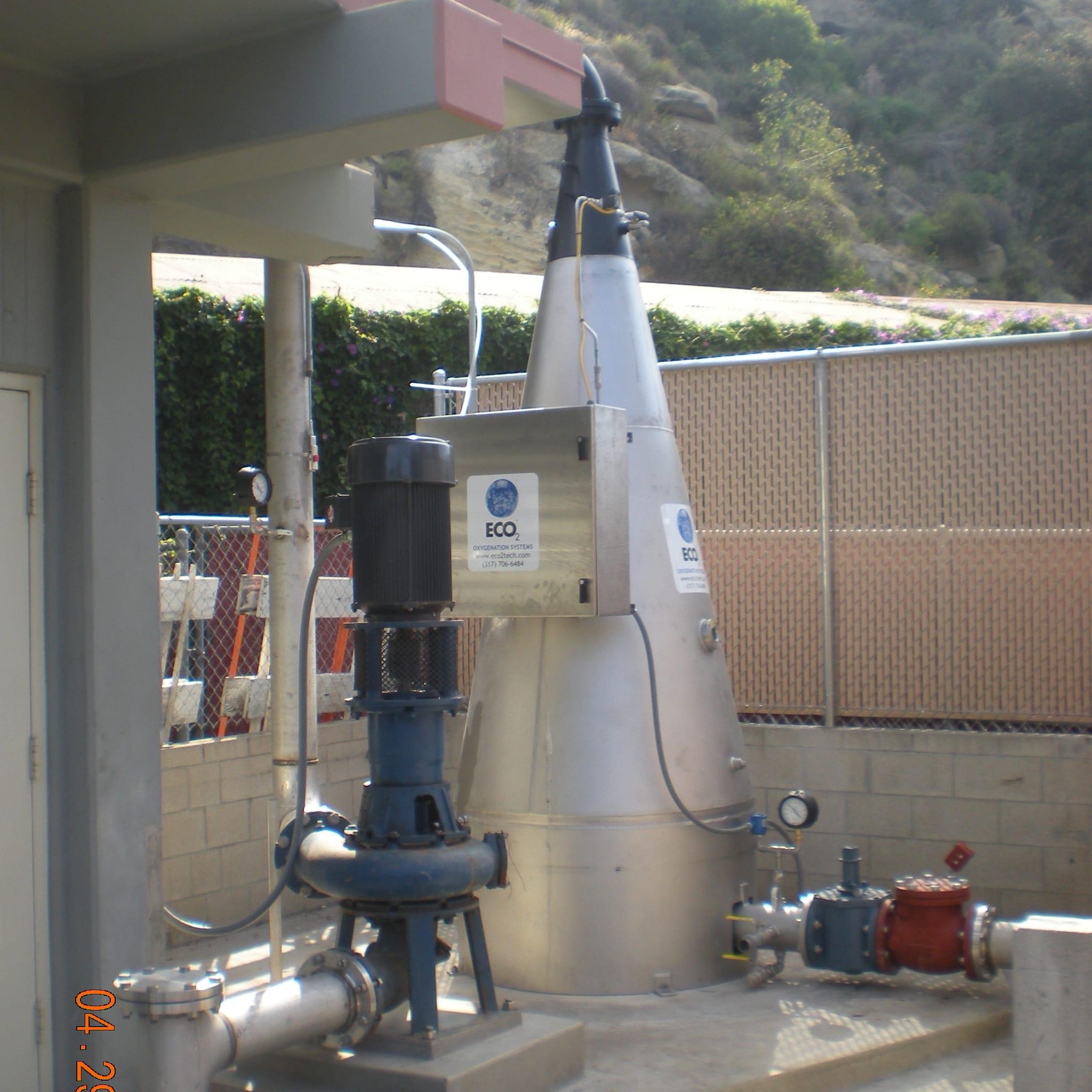
SOCWA Lift Station
In Full
More of the Summary
Two more paragraphs of our summary.
The city's transmission main was sized twenty years earlier for growth that never came, and twenty-eight lift stations serve about 18,000 users in hilly terrain, so wastewater travels slowly and sits overnight. Years of chemical dosing had not solved the odor at blow-off vaults near pedestrian crosswalks, and it was stopped. The design multiplies the longest retention time, 6 hours, by a theoretical oxygen uptake rate of 10 mg/L/hr, so 60 mg/L had to be dissolved.
The authors note that sulfide already present is oxidized within 5 to 20 minutes once aerobic conditions exist, and that preventing H₂S removes the source of sulfuric acid corrosion in concrete and steel pipe.
How to Cite
One line to paste into a report.
David Clidence and David Shissler. Elimination of Odor and Hydrogen Sulfide Gas by Superoxygenation of the Bluebird Force Main in Laguna Beach, California. WEF, 2008. Eco Oxygen Technologies Technical Library. https://eco2tech.com/technical-library/elimination-of-odor-and-hydrogen-sulfide-gas-by-superoxygenation-of-the-bluebird-force-main-in-laguna-beach-california/
https://eco2tech.com/technical-library/elimination-of-odor-and-hydrogen-sulfide-gas-by-superoxygenation-of-the-bluebird-force-main-in-laguna-beach-california/
The Next Step
Ask an ECO₂ Engineer
Questions about this technical paper, or about your own water? An application engineer answers, with the figures.