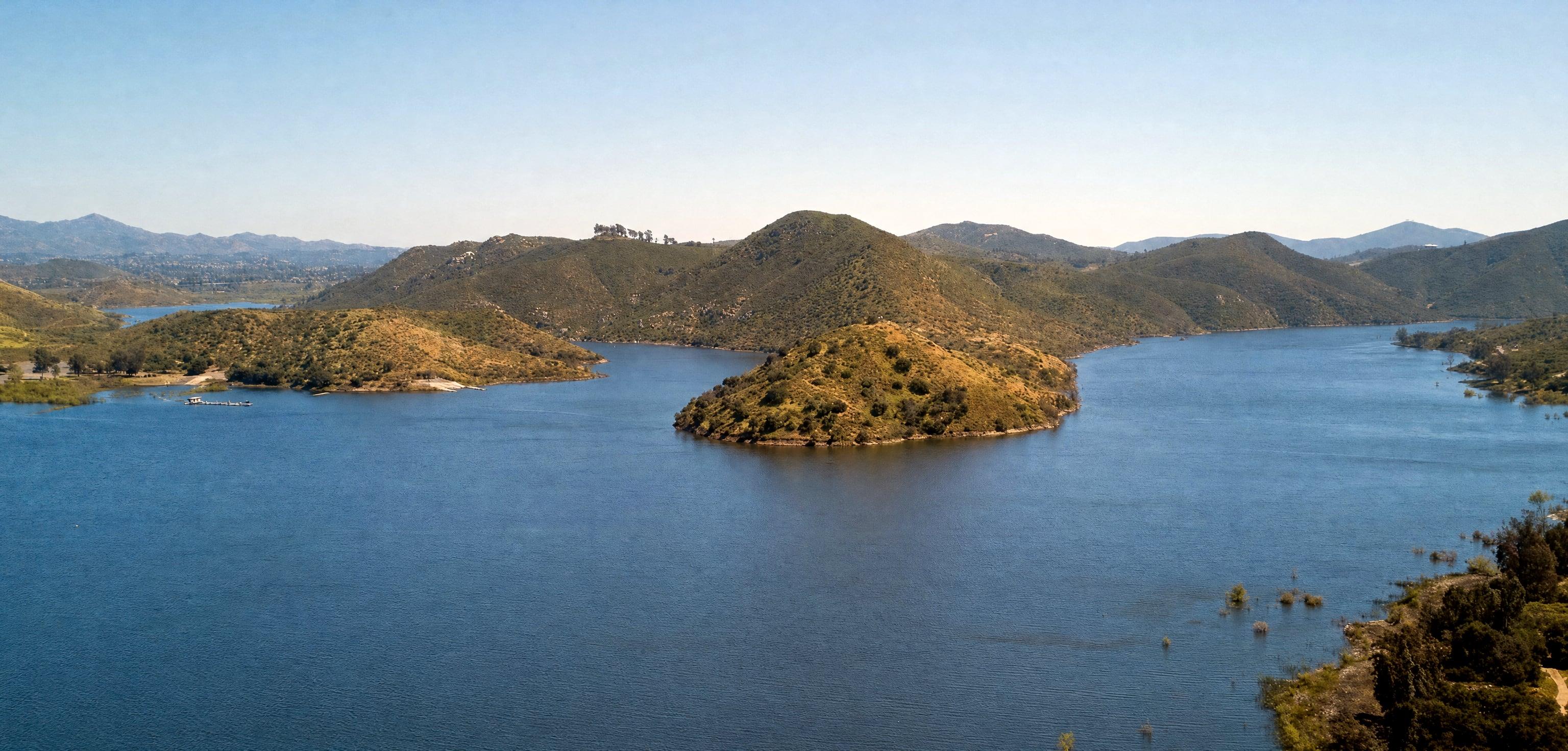
San Pablo Reservoir - Hypolimnetic Oxygenation System Project
Oxygen at the bottom of San Pablo Reservoir keeps iron, manganese, nutrients and methylmercury in the sediments, for better water at EBMUD's two treatment plants.
Details
Summary
EBMUD's two-page project sheet for the hypolimnetic oxygenation system (HOS) at San Pablo Reservoir, which adds dissolved oxygen to the reservoir's bottom waters with a Speece Cone®. Oxygenating the bottom keeps iron, manganese, nutrients and methylmercury in the sediments, which improves raw and treated water at the Sobrante and San Pablo water treatment plants.
Key Figures
5tons of oxygen a day
Speece Cone design capacity Source: PDF page 2 (opens in a new tab)
11,000gallons
Liquid oxygen (LOX) storage Source: PDF page 2 (opens in a new tab)
2,000linear feet
HDPE pipeline installed Source: PDF page 2 (opens in a new tab)
Questions
Why is EBMUD oxygenating the bottom of San Pablo Reservoir?
Oxygen in the bottom waters oxidizes and holds iron, manganese, nutrients and methylmercury in the sediments, which improves raw and treated water at the Sobrante and San Pablo treatment plants and limits harmful algae blooms. (PDF page 1) (opens in a new tab)
How does hypolimnetic oxygenation reduce taste and odor at San Pablo?
By keeping the reservoir bottom oxygenated it breaks the nutrient cycle that feeds algae, which reduces the earthy, musty compounds MIB and geosmin and the ozone used at Sobrante WTP. (PDF page 1) (opens in a new tab)
How does the project address methylmercury?
Oxygenating the reservoir bottom inhibits the release of methylmercury from the sediments, which reduces its bioaccumulation in fish and other species. (PDF page 1) (opens in a new tab)
The Project
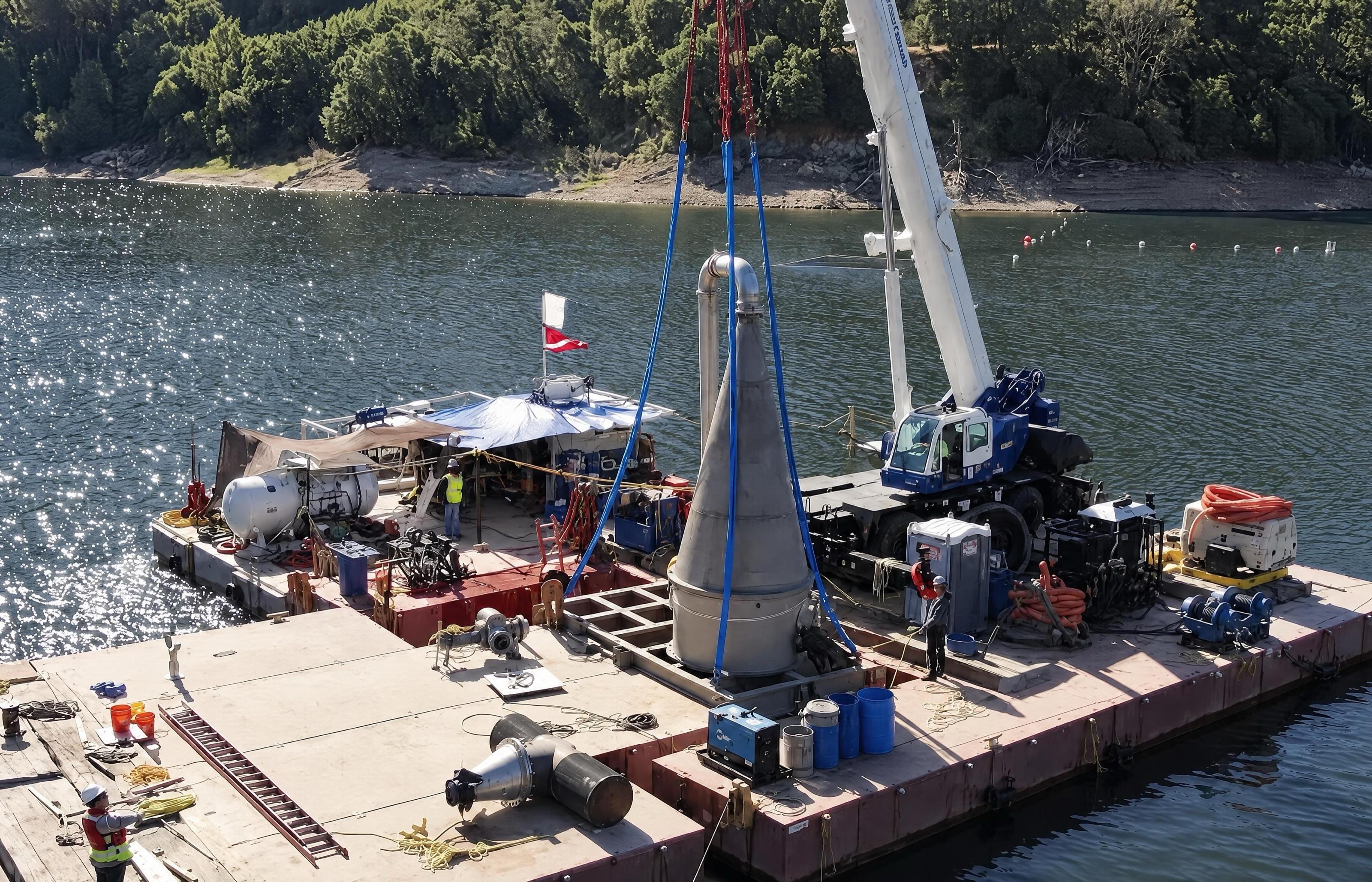
San Pablo Reservoir
In Full
More of the Summary
Two more paragraphs of our summary.
The sheet explains the problem. The reservoir bottom holds a thick sediment layer rich in iron, manganese, phosphorus and nitrogen. When summer stratification cuts off oxygen, these are released: metals shorten filter runs and raise chlorine demand and disinfection byproducts, nutrients feed algae that make the earthy, musty compounds geosmin and MIB, and methylmercury builds up in fish. Less MIB and geosmin also means less ozone at Sobrante.
The scope is an 11,000 gallon liquid oxygen storage system, a 5 ton per day Speece Cone with a diffuser, and 2,000 linear feet of HDPE pipeline.
How to Cite
One line to paste into a report.
EBMUD. San Pablo Reservoir - Hypolimnetic Oxygenation System Project. EBMUD, October 2023. Eco Oxygen Technologies Technical Library. https://eco2tech.com/technical-library/san-pablo-reservoir-hypolimnetic-oxygenation-system-project/
https://eco2tech.com/technical-library/san-pablo-reservoir-hypolimnetic-oxygenation-system-project/
The Next Step
Ask an ECO₂ Engineer
Questions about this case study, or about your own water? An application engineer answers, with the figures.