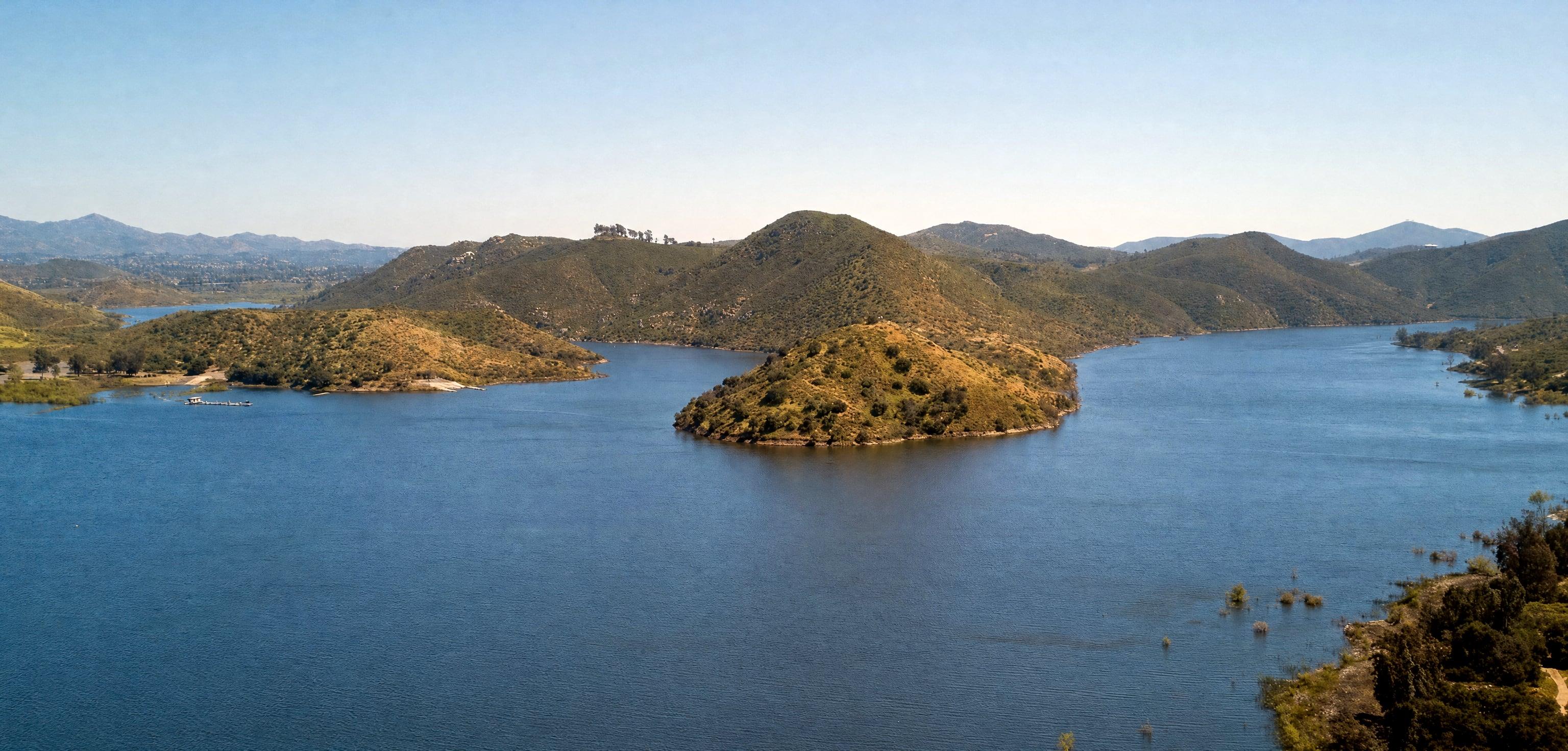
Oxygenation System Tackles Marston Reservoir's Oxygen Depletion
A WaterWorld feature on how Denver Water used a Speece Cone® to deal with seasonal oxygen loss in Marston Reservoir, the source for its 250 mgd Marston Water Treatment Plant.
Details
Summary
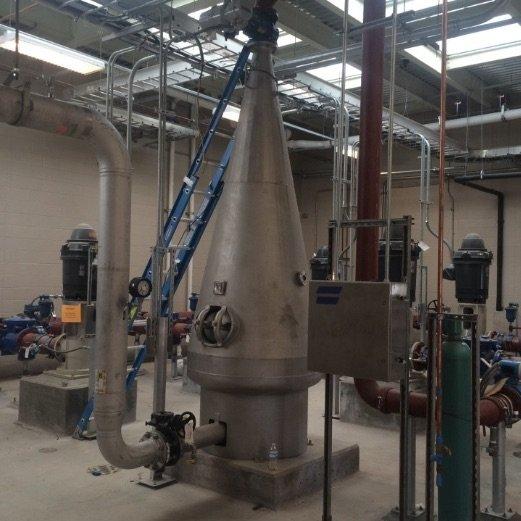
Each year, stratification and turnover let decaying organic matter deplete the bottom water, causing taste, odor and manganese complaints in the autumn. Powdered activated carbon proved too costly at the plant's flow, and a 1997 bypass line from the South Platte River left the utility exposed to fires, storms and drought upstream. The 8 ft wide, 18 ft high cone sits at the deepest point of the 66 ft reservoir, fed by a 35 hp submersible pump delivering 3,200 gpm and by oxygen piped about 2,200 ft from a shore tank. A 40 ft diffuser releases the oxygenated water horizontally 6 ft above the sediment, so the lake stays stratified. Divers had to clear over six feet of accumulated muck before the base could be built. Denver Water expects to need 75 to 100% of capacity for the first few years and is now designing a new multi-level intake.
Key Figures
66ft
Reservoir depth at the cone Source: PDF page 2 (opens in a new tab)
3,200gpm
Flow delivered by the 35 hp submersible pump Source: PDF page 3 (opens in a new tab)
$92per day
Liquid oxygen cost at full output Source: PDF page 3 (opens in a new tab)
Questions
What problem did Denver Water have at Marston Reservoir?
Seasonal stratification and turnover depleted oxygen in the bottom water, bringing taste, odor and manganese complaints, mostly in autumn. (PDF page 2) (opens in a new tab)
Why not keep using the bypass?
Relying on South Platte River water through the 1997 bypass complicated operations and exposed the summer supply to wildfire, storm runoff and drought upstream. (PDF page 2) (opens in a new tab)
How is the oxygen delivered?
A 35 hp pump draws bottom water into an 8 ft by 18 ft cone where oxygen dissolves, and a 40 ft diffuser releases it horizontally 6 ft above the sediment. (PDF page 3) (opens in a new tab)
The Project
Marston Reservoir
In Full
More Key Figures
One more, each with what it measures and its PDF page.
From the PDF
| Figure | What It Measures |
|---|---|
| 10 mg/L | Bottom dissolved oxygen after oxygenation, against a normal early July level of 2 mg/L (PDF page 3 (opens in a new tab)) |
How to Cite
One line to paste into a report.
ECO₂. Oxygenation System Tackles Marston Reservoir's Oxygen Depletion. WaterWorld, May 2012. Project engineer: CDM. Eco Oxygen Technologies Technical Library. https://eco2tech.com/technical-library/oxygenation-system-tackles-marston-reservoirs-oxygen-depletion/
https://eco2tech.com/technical-library/oxygenation-system-tackles-marston-reservoirs-oxygen-depletion/
The Next Step
Ask an ECO₂ Engineer
Questions about this published article, or about your own water? An application engineer answers, with the figures.