Balneário Camboriú officials visit Florida and Georgia to evaluate high-efficiency water treatment systems.
Balneário Camboriú — a fast-growing beach city in southern Brazil known for its tourism, high-rise skyline, and environmental challenges — is taking inspiration from innovative American technology in its mission to restore polluted urban rivers.
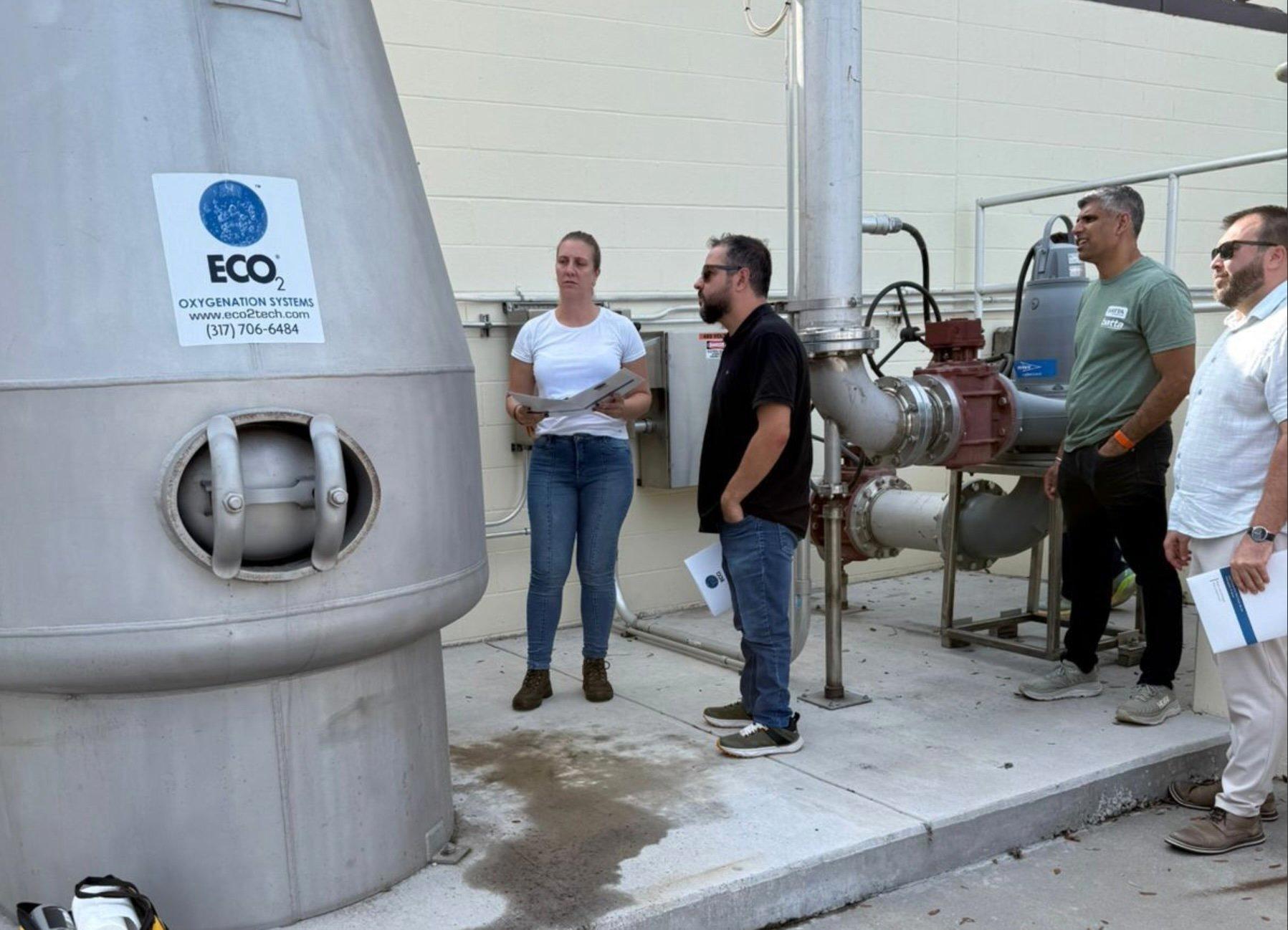
A technical team from EMASA, the city’s public water and sanitation utility, recently visited the U.S. to learn about a powerful water-cleaning solution already in use in several American municipalities. The team traveled to St. Petersburg, Florida, and Savannah, Georgia, to see a high-pressure oxygenation system that’s capable of drastically improving water quality in rivers, lift stations, and treatment plants — in some cases, within days.
Cutting-edge technology with proven results
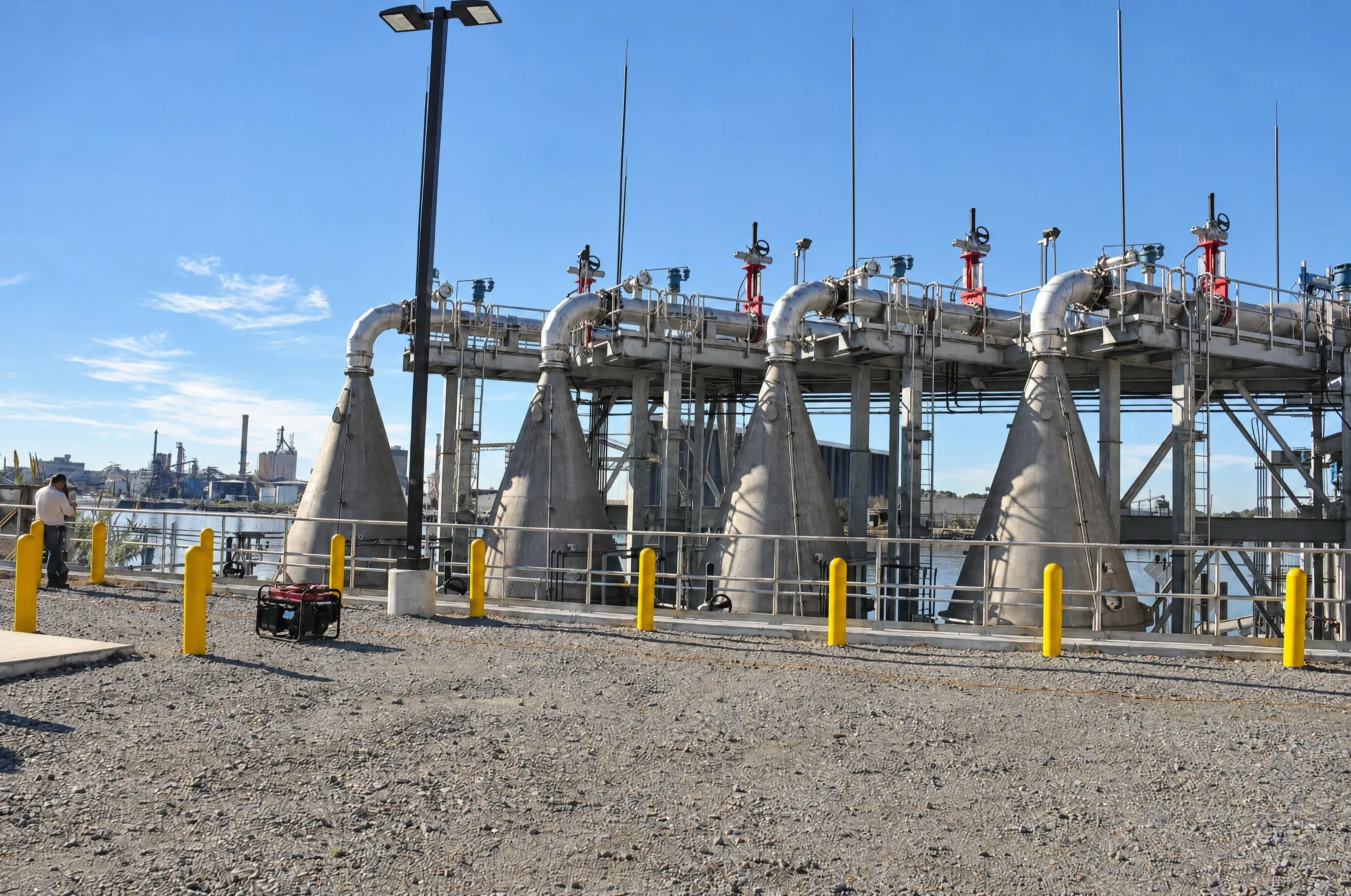
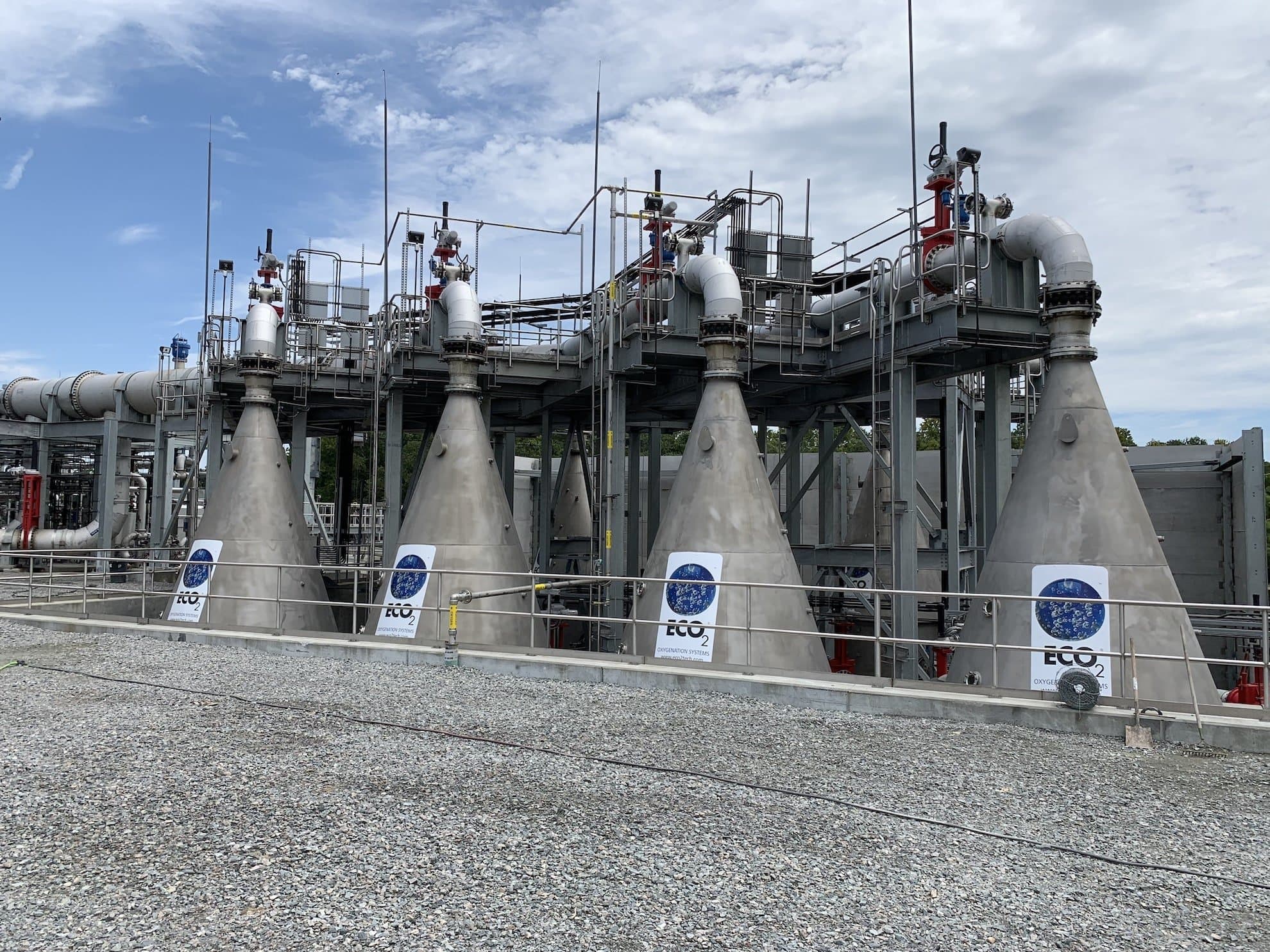
The system works by injecting pure oxygen into wastewater or river water under high pressure through a specially engineered process. The result is a “superoxygenation” effect that accelerates the breakdown of organic matter, significantly reduces odors, improves discharge water quality, and helps revive aquatic ecosystems.
“This is not just theory — we saw it in action,” said Joana Ferreira Godinho, one of EMASA’s lead chemists. “In one lift station we visited, the biological oxygen demand (BOD) — a key measure of organic pollution — dropped from 16 mg/L to just 4 mg/L after installing the system. At the treatment plants, oxygen was added at the final stage before discharge, bringing dissolved oxygen levels above those of the receiving river itself.”
Potential for use in Balneário Camboriú
The EMASA team believes the technology is highly applicable in their city. Unlike other treatments, it doesn’t require chemicals or produce harmful byproducts like sludge. The system is also relatively quiet — compressors can be acoustically isolated to eliminate noise concerns.
“If we use this at the Camboriú River intake — the city’s main water source — we can reduce the organic load and minimize chemical use in treatment,” said Godinho. “At lift stations, it can cut odors and relieve pressure on our wastewater treatment plant. And when applied directly in rivers, it can bring dead water bodies back to life.”
The system’s operation is also straightforward, and it can be installed flexibly — in lift stations, at the end of treatment plants, or directly in rivers and streams.
More effective than nanobubble systems
While some cities have experimented with nanobubble technologies, EMASA noted that these are still in early stages for large-scale environments. The U.S. oxygenation system, by contrast, uses a robust pressurized cone structure that allows for higher levels of dissolved oxygen, without the need for complex or delicate components. That makes it particularly effective for larger bodies of water.
“The systems we saw are far beyond what we have in Brazil,” said EMASA chemist Caio Rebouças. “The pressure-based method and equipment design offer a level of efficiency we haven’t yet achieved.”
Strategic investment in environmental health
Although there’s no line item in the 2025 budget for purchasing this system, EMASA director Auri Pavoni said the trip was approved by the city’s mayor as a strategic investment in long-term efficiency and cost reduction.
“We’re tackling root problems like illegal sewer hookups and modernizing our systems,” Pavoni said. “But while we address the causes, we also need to mitigate the effects. This technology doesn’t solve the pollution problem, but it gives us a way to bring our rivers back to life. We want to get our waterways out of intensive care.”
With the technical visit complete, EMASA will begin feasibility studies, sizing the equipment, and identifying pilot sites for implementation. The city hopes to launch a new era of waterway revitalization using sustainable and forward-thinking solutions.