Increasing oxygen levels in water has implications for water quality, aquatic life, and the environment.
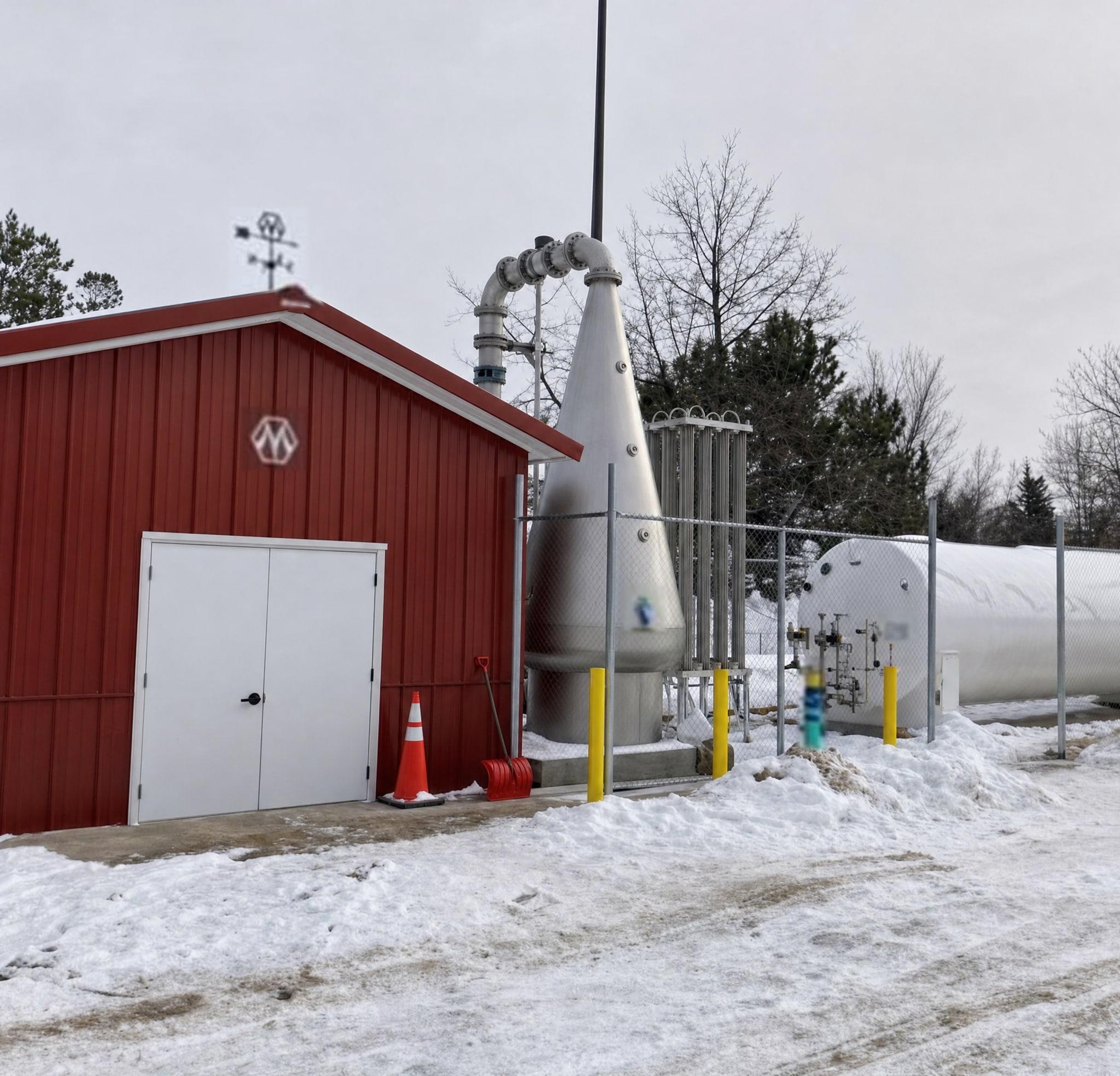
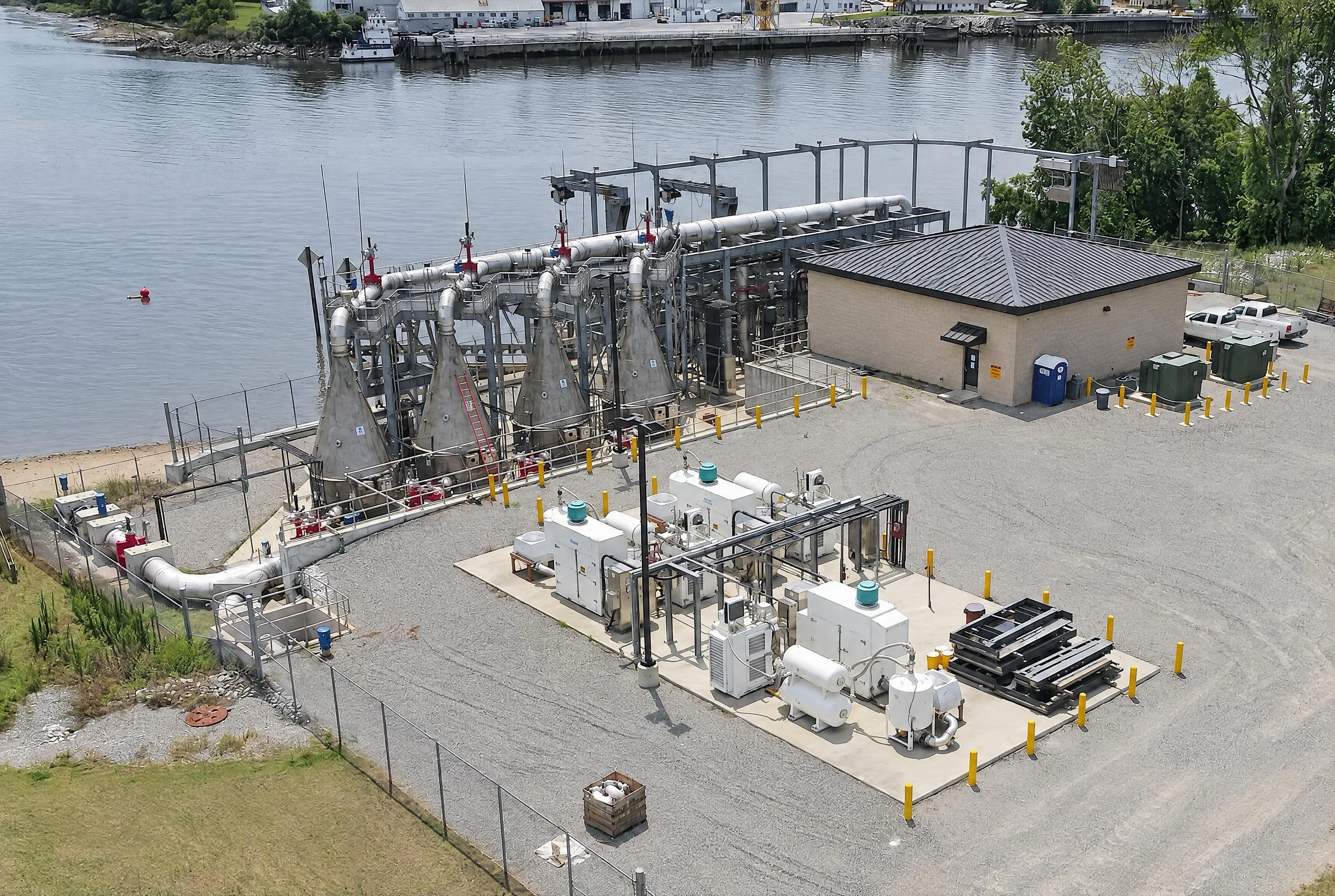
ECO Oxygen Technologies is an Indiana-based company that provides custom engineered Superoxygenation systems for water and wastewater. Its environmentally friendly alternatives to traditional chemical treatment systems have both municipal and industrial applications and can also be used to improve water quality in rivers, lakes, and reservoirs.
The company’s technology, which dissolves pure oxygen into water efficiently, is cleaning wastewater—one of the most significant generators of methane, a greenhouse gas that has more than 80 times the warming power of carbon dioxide over the first 20 years after it reaches the atmosphere.
Increasing oxygen levels in lakes and rivers is also important as we work toward improving water quality and countering the effects of climate change, Clidence says.
“Many bodies of water have become anaerobic and contain bacteria that leads to fish kills and algae production,” he says. “Additionally, some pollutants that are released from sediments in the water column can cause taste and odor issues for drinking water.”
Adding oxygen to lakes and rivers allows for compliance with environmental regulations, and—in drinking water reservoirs—additional oxygen keeps taste and odor-affecting compounds from forming.
As the climate changes, maintaining proper oxygen levels in water is vital, Clidence says. “The combination of drought and hotter temperatures is a double negative - less water to dilute pollutants and hotter water less able to hold oxygen. Superoxygenation technology can offset those impacts by keeping pollutants at bay.”