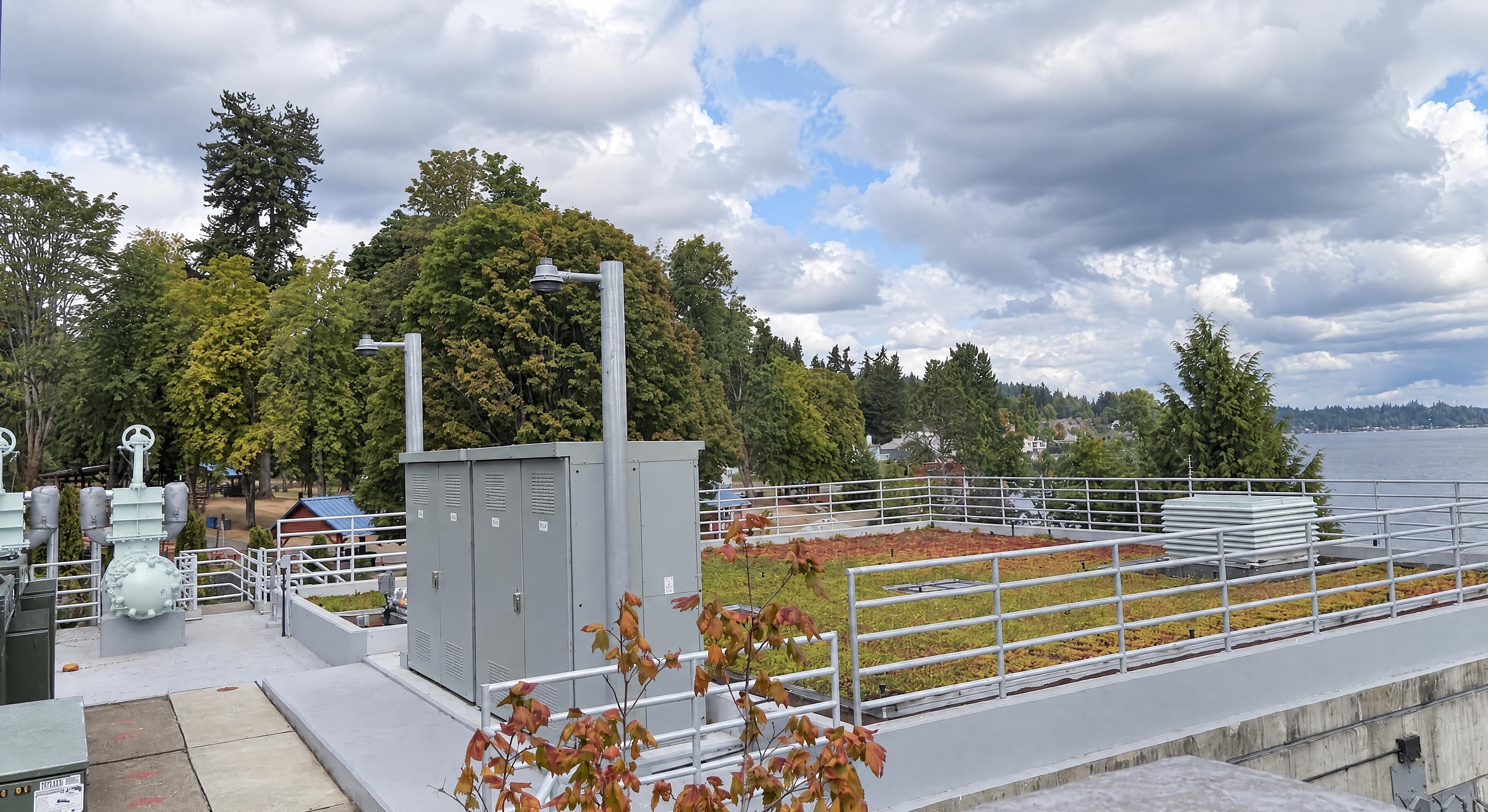
New system successfully controlling odor on once-stinky Ann Arbor street
An MLive report on the long-running sewer smell on Ann Arbor's Arborview Boulevard, and what changed once Scio Township's oxygen system in the force main came on.
Details
Summary
Odor Complaints All but Ended
For years, residents of Arborview Boulevard in Ann Arbor, Michigan, complained of sewage odor from a township force main. Since Scio Township began injecting oxygen with a Speece Cone®, a system implemented and calibrated in late 2019 and early 2020, OHM reports a significant improvement, with downstream odor complaints all but eliminated (paras. 11, 15).
Key Figures
$34,000
Odor study Ann Arbor officials resolved to launch Source: The article, para. 1
Questions
What caused the sewer odor on Ann Arbor's Arborview Boulevard?
Hydrogen sulfide venting from manholes near where Scio Township's sewer pipe connects to the city's. The township's force main runs intermittently, and the lack of consistent flow lets the gas form (paras. 5, 8).
How long is the Scio Township force main?
A little over three miles, from the pump station at Zeeb and Jackson roads to a gravity sewer near Dexter and Maple roads in Ann Arbor (para. 7).
Why did Scio Township stop using calcium nitrate?
OHM says it was corrosive, dangerous for utility staff to work with and prohibitively expensive (para. 10).
When did the Ann Arbor oxygen system start?
It was implemented and calibrated in late 2019 and early 2020, after a 2015 odor-control study recommended oxygenation (para. 11).
What happens to the odor when the oxygen system stops?
Hydrogen sulfide spikes. After a disruption, from maintenance or running out of oxygen, the system tends to return to equilibrium within a day or two of being restored (para. 14).
Did oxygen injection stop the odor complaints in Ann Arbor?
OHM reports a significant improvement, with downstream odor complaints all but eliminated (para. 15).
The Project
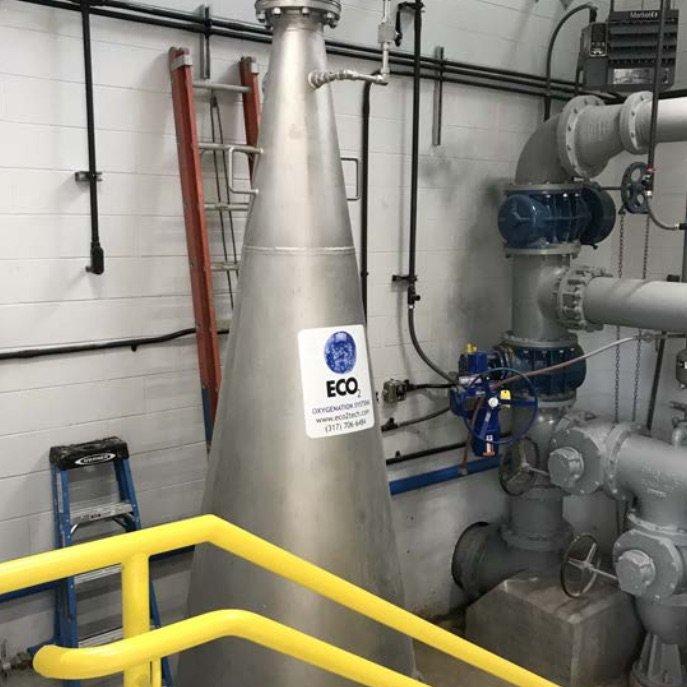
Jackson Road Pump Station
In Full
More Key Figures
Five more, each with what it measures.
From the Article
| Figure | What It Measures |
|---|---|
| Late 2019 and early 2020 | When the oxygen system was implemented and calibrated (The article, para. 11) |
| 2015 | Year OHM began the odor-control study that recommended oxygen (The article, para. 11) |
| A little over three miles | Length of the township's force main (The article, para. 7) |
| Weekly | How often the township's device tracks hydrogen sulfide (The article, para. 13) |
| A day or two | Time to return to equilibrium after a disruption (The article, para. 14) |
The Full Write-Up
The problem, the work, the results and who did it.
A Force Main That Sits Between Pump Cycles Makes Hydrogen Sulfide
Residents along Arborview Boulevard complained for several years about a lingering smell of sewage, worst in the warm months. One wrote to the city in June 2015 that the smell was strong and noxious and seeped into houses (para. 2).
The city had long suspected hydrogen sulfide venting from manholes along a sewer line near where a Scio Township pipe connects to the city's system (para. 5). Under an agreement made when the township's Jackson Road sewer system was created in the 1980s, the township maintains its outlet line until it discharges into a city gravity sewer. Its pump station at the northeast corner of Zeeb and Jackson roads pumps into a force main a little over three miles long, which outfalls into a gravity sewer near Dexter and Maple roads (para. 7).
OHM explains why the gas forms. The force main runs intermittently, pumping only when the wet well reaches a set depth, so the sewage does not flow constantly, and that lack of flow lets hydrogen sulfide form: a colorless gas with a rotten egg odor, flammable and toxic, which forms more easily when the sewage is warm (paras. 8, 9). That is why complaints came near the outfall and along Arborview, where the city sewer carries the township's sewage.
From Calcium Nitrate to Injected Oxygen
For many years the township treated the discharge with calcium nitrate to prevent sulfides forming. OHM describes the chemical as corrosive, dangerous for utility staff to work with and prohibitively expensive (para. 10).
The township stopped the treatment around 2010 and 2011, and over the following years odor complaints went up, until the city asked the township to act. OHM began an odor-control study in 2015, explored the options and recommended oxygenation, which was implemented and calibrated in late 2019 and early 2020 (para. 11). The article also reports that Ann Arbor officials resolved to launch a $34,000 odor study to investigate the street further (para. 1).
The system injects oxygen into the waste stream with a Speece Cone made by Eco Oxygen Technologies in Indianapolis (para. 13). OHM also worked with the township "in 2021-22" on projects to improve overall air intake into the system (para. 12).
Odor Complaints All but Eliminated, & Watched Every Week
OHM reports that since start-up the system "has been relatively effective in reducing H₂S along with the odor complaints". The township tracks hydrogen sulfide with a monitoring device every week and maintains the device monthly to keep levels low (para. 13).
The record is candid about interruptions. Maintenance issues, or running out of oxygen, have caused intermittent disruptions, and each time hydrogen sulfide spiked. Once the system was restored, it tended to return to equilibrium within a day or two (para. 14). The city says the same: it monitors the system and works with the township if an outage may cause odors to spike. City spokesman Robert Kellar: "The system they installed seems to be working" (para. 6).
Overall, OHM reports a significant improvement, with downstream odor complaints all but eliminated (para. 15).
Scio Township, OHM & the City of Ann Arbor
Scio Township owns the pump station and force main, installed the oxygen system and collects odor data to evaluate it (para. 5). OHM ran the odor-control study, recommended oxygenation, worked with the township on the system and reports its results. Robert Kellar, the city's spokesman, gave Ann Arbor's view (para. 6).
The article was published by MLive and is republished in ECO₂'s news.
What It Shows for an Intermittent Force Main
The Ann Arbor case is a familiar one: a long force main that pumps on a wet well level, so the sewage sits between cycles, and a neighborhood downstream where the gas comes out. The township had stopped its chemical treatment as too costly and hazardous; oxygen gave it a way to control the odor without one.
Two lessons stand out. Keep the oxygen supply and maintenance reliable, because each interruption showed up as a hydrogen sulfide spike. And measure, because the township's weekly monitoring is what lets everyone say the system works.
Written up from the published article as republished in our news. Every figure is as the published article prints it, with the paragraph it comes from; the writer's own words appear only in quotation marks.
How to Cite
One line to paste into a report.
Ryan Stanton. New system successfully controlling odor on once-stinky Ann Arbor street. MLive, February 2023. Eco Oxygen Technologies Technical Library. https://eco2tech.com/technical-library/new-system-successfully-controlling-odor-on-once-stinky-ann-arbor-street/
https://eco2tech.com/technical-library/new-system-successfully-controlling-odor-on-once-stinky-ann-arbor-street/
The Next Step
Ask an ECO₂ Engineer
Questions about this published article, or about your own water? An application engineer answers, with the figures.